



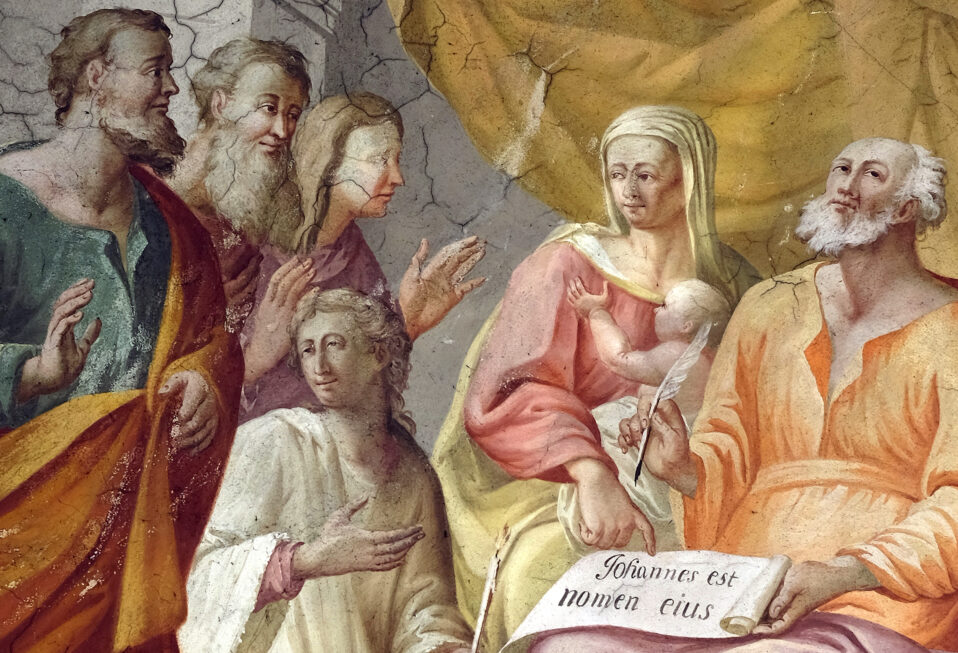
“Just as He spoke by the mouth of His holy prophets from ancient times—Salvation from our enemies, and from the hand of all who hate us; to show mercy to our fathers, and to remember His holy covenant, the oath which He swore to our father Abraham, to grant us that we, being rescued from the hand of our enemies, would serve Him without fear, in holiness and righteousness before Him all our days” (Luke 1:70-75).
When the people of Israel lived under Roman rule and occupation in the first century, they wrestled with a painful question: If the Lord is faithful, how could His chosen people be subject to a harsh, foreign empire? Rome’s idols and pagan worship filled the land. Roman soldiers patrolled the streets. Judea felt the weight of a kingdom that did not honor Israel’s God.
Different Jewish groups searched for explanations. Some believed that compromise with Rome dishonored God and that resistance was the only righteous path. Others called the nation to repentance, insisting that spiritual renewal and returning to God would bring divine intervention. What united them all was a shared longing for redemption. They hoped for the day when God would act decisively, rescue His people, and restore their ability to worship Him freely.
This longing appears in Jewish writings from the period. In fact, one ancient poet cried out on behalf of Zion, urging her to remove injustice, cling to righteousness, and wait for the fulfillment of every prophetic promise. Redemption, in his mind, was not abstract or merely personal. It involved real deliverance from real oppressors and the restoration of proper worship.
The same hope fills the prayer of Zechariah in Luke 1. He celebrates God’s covenant mercy, God’s promises to Abraham, and the coming rescue that would free Israel from fear. Redemption, for Zechariah, meant more than liberation. It meant being able to serve and worship God in holiness and righteousness. Freedom was not for self-indulgence. It was for faithful devotion.
This is consistent with the entire biblical story. When God redeemed Israel from Egypt, He did not simply free them from Pharaoh. He freed them so they could serve Him. “The children of Israel are servants to Me,” the Lord said in Leviticus. True redemption always leads to devotion. It is release from bondage so that we may gladly embrace His rule.
In the New Testament, Jesus and later Paul announce that God’s promised redemption has arrived. Through Jesus, the kingdom of God has drawn near. But this kingdom—this redemption—does not mirror earthly politics. It is not seized with swords or sustained through national power. It is received through surrender. It advances when God’s people place His will above their own and embody His righteousness in the world.
We often speak of salvation in terms of personal freedom, and there is truth in that. Christ frees us from sin, shame, and death. Yet Scripture reminds us that God always frees for a purpose. We are redeemed so that we may serve and worship Him. We are liberated so that we may submit joyfully to His reign. Someone always sits on the throne of our hearts. Redemption trains us to enthrone God there, not ourselves or any earthly power.
When we choose humble obedience, God’s redemptive power moves beyond us and into the lives of others. Through yielded hearts, His light breaks into dark places. Through willing servants, His kingdom draws near.
This is the nature of true redemption: not merely freedom from something, but freedom for Someone.
PRAYER
Father, You have redeemed us so that we may serve You. Teach us to lay down our self reliance and take up joyful obedience. May Your mercy, power, and kingdom shine through our lives today. Amen.







Post a comment