



By Stephen Faircloth
Jerusalem stands at the center of the biblical story more than any other city. From the moment King David established it as the capital of his kingdom, it became the spiritual and political heart of Israel. Across centuries, Jerusalem shaped the faith, hopes, and identity of the Jewish people, and later became central to the story of Jesus and the birth of the church.
The city’s beginnings stretch back more than four thousand years. Jerusalem first grew around the Gihon Spring, a vital water source that sustained life on the eastern hill of the city. This original settlement, later known as the City of David, was the stronghold David captured from the Jebusites. It was here that Jerusalem took its first steps toward becoming the city God chose for His name to dwell.
Under Solomon, Jerusalem expanded northward. He built the Temple, his royal palace, and the administrative center of the kingdom. With the destruction of the northern kingdom of Israel in 722 B.C., refugees streamed south, and the city spread onto the western hill. King Hezekiah enclosed this area with a wall to protect Jerusalem from invasion. Portions of that wall remain visible today, silent witnesses to the city’s growth and vulnerability.
In 586 B.C., the Babylonians destroyed Jerusalem and its Temple, carrying the people of Judah into exile. When the exiles returned, they rebuilt a smaller city focused again on the eastern hill. During the time of Ezra and Nehemiah, Jerusalem remained modest in size, but its spiritual significance endured.
The city expanded once more during the Hasmonean period in the second century B.C. New walls followed earlier lines and incorporated older fortifications. By the first century B.C., another wall enclosed the northern market area. This was the Jerusalem known to Jesus. The city revolved around two focal points: the Temple Mount to the east and the magnificent palace of Herod the Great to the west.
Jerusalem reached its greatest size shortly before the First Jewish Revolt. Rome crushed the rebellion in A.D. 70, destroying the city and tearing down its walls. The devastation was so complete that Jerusalem’s footprint shifted north and west in the centuries that followed.
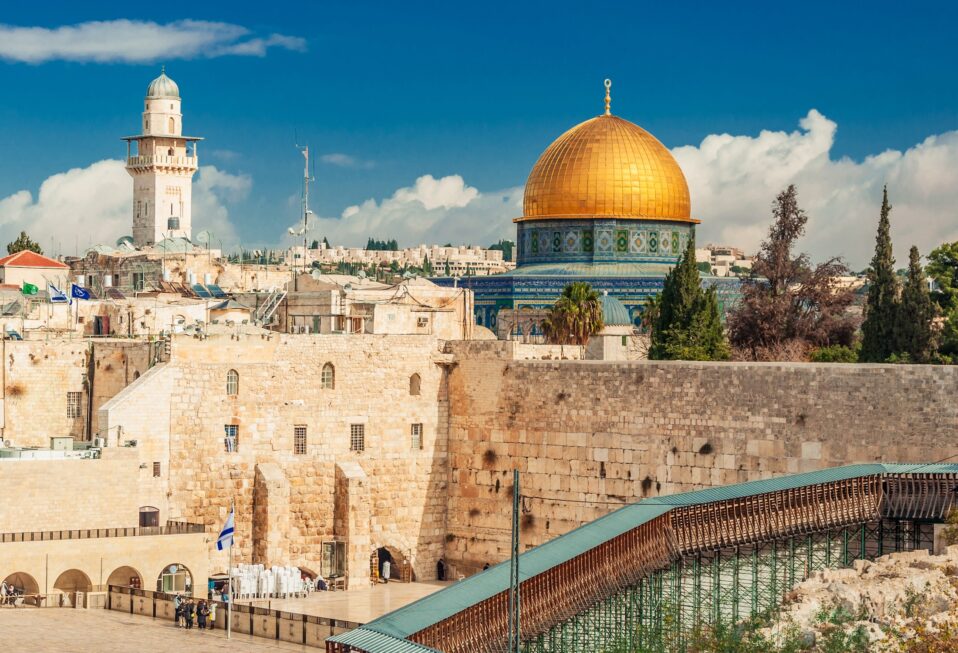
The Old City we see today reflects later Roman and medieval periods rather than the Jerusalem of the Bible. Byzantines, Muslims, Crusaders, Mamluks, Ottomans, and British rulers each left their mark. Yet beneath these layers lies the city that shaped Scripture and faith.
Jerusalem reminds us that God works through real places and real history. Though the city has risen and fallen, its calling endures. It stands as a testimony that God’s purposes are not erased by destruction or time. The city of promise continues to point beyond itself to the faithfulness of the God who chose it.
Stephen Faircloth is the President of CBN Israel, an initiative dedicated to sharing the true story of the Jewish nation and inspiring a global community of Christians to stand with Israel and support her people in need. Our vision is to reshape the global conversation about Israel by fostering understanding, hope, and healing between Jews and Christians around the world. For more than 50 years, the Christian Broadcasting Network has supported Israel. By joining CBN Israel, you become part of this enduring legacy, transforming lives today and strengthening Christian support for Israel for generations to come.







Post a comment