



By Stephen Faircloth
Hebron stands among the most significant cities in the biblical story, especially within the Old Testament. Long before Jerusalem became Israel’s capital, Hebron served as a place where God’s promises were lived out, tested, and anchored in the soil of the land. The city is closely tied to the patriarchs Abraham, Isaac, and Jacob, to the faithfulness of Joshua and Caleb, and to the rise of King David, who ruled from Hebron during the earliest years of his reign.
Hebron’s importance begins with its geography. Located about twenty miles south of Jerusalem in the heart of the Judean hill country, the city sits along the primary north south route through the central highlands of Israel. It also stands at the meeting point of two major roads that ascended from the Negev. One route came from Beersheva to the southwest, and another rose from Arad to the southeast. These roads converged at Hebron, which rises to more than three thousand feet above sea level, making it the highest city in the southern hill country and a natural hub for travel, trade, and settlement.
The surrounding region is fertile and well suited for agriculture. The iron rich soil supports vineyards, olive groves, fruit trees, and terraced fields for grain. Pastures around the city provide grazing land for sheep and goats. These natural resources made Hebron an ideal place for long-term habitation and help explain why it appears so frequently in biblical narratives tied to land, inheritance, and promise.
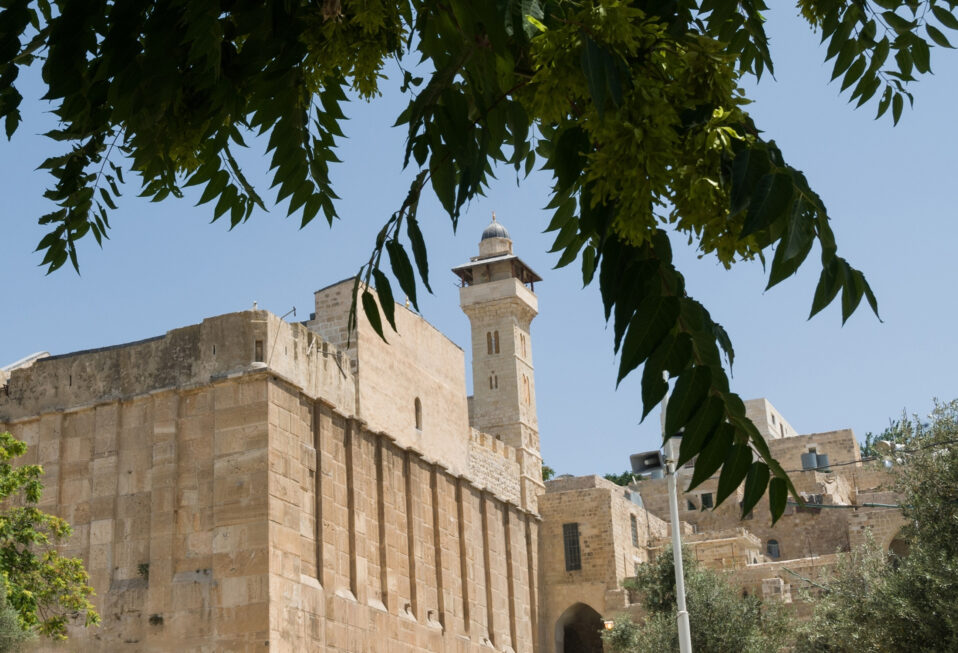
The ancient city of Hebron is identified with Tel Rumeideh, a modest mound of about seven and a half acres. A spring on the eastern slope supplied water to the settlement. Just east of the tel stands one of the most revered sites in the biblical world, the Cave of Machpelah, also known as the Tomb of the Patriarchs. The massive structure visible today dates to the first century before and after Christ and was built over the cave that Abraham purchased as a burial place for Sarah.
That purchase marked a profound moment in the biblical story. Abraham, a nomad living in tents, deliberately bought land in Hebron to bury his wife. In doing so, he laid a permanent claim rooted not in conquest but in faith. According to biblical tradition, Abraham and Sarah, Isaac and Rebekah, and Jacob and Leah were all buried there. Because of this, the site has been revered for thousands of years and remains a place of prayer for both Jews and Muslims.
Hebron also played a role in Israel’s journey from promise to possession. The spies sent by Moses explored the land around Hebron, and it was Caleb who later claimed the city as his inheritance because of his faithfulness to the Lord. Centuries later, Hebron became the place where David was anointed king over the tribe of Judah. For seven years he ruled there before moving his capital to Jerusalem and becoming king over all Israel. Even Absalom’s rebellion against his father began in Hebron, underscoring the city’s lasting political and symbolic weight.
Hebron reminds us that God often works through places of patience and perseverance. It was here that promises were buried, waited for, and eventually fulfilled. The city stands as a testimony that faith is not only spoken but lived over generations. Hebron teaches us that God’s purposes unfold in real places, through faithful obedience, and over time that demands trust.
Stephen Faircloth is the President of CBN Israel, an initiative dedicated to sharing the true story of the Jewish nation and inspiring a global community of Christians to stand with Israel and support her people in need. Our vision is to reshape the global conversation about Israel by fostering understanding, hope, and healing between Jews and Christians around the world. For more than 50 years, the Christian Broadcasting Network has supported Israel. By joining CBN Israel, you become part of this enduring legacy, transforming lives today and strengthening Christian support for Israel for generations to come.







Post a comment