



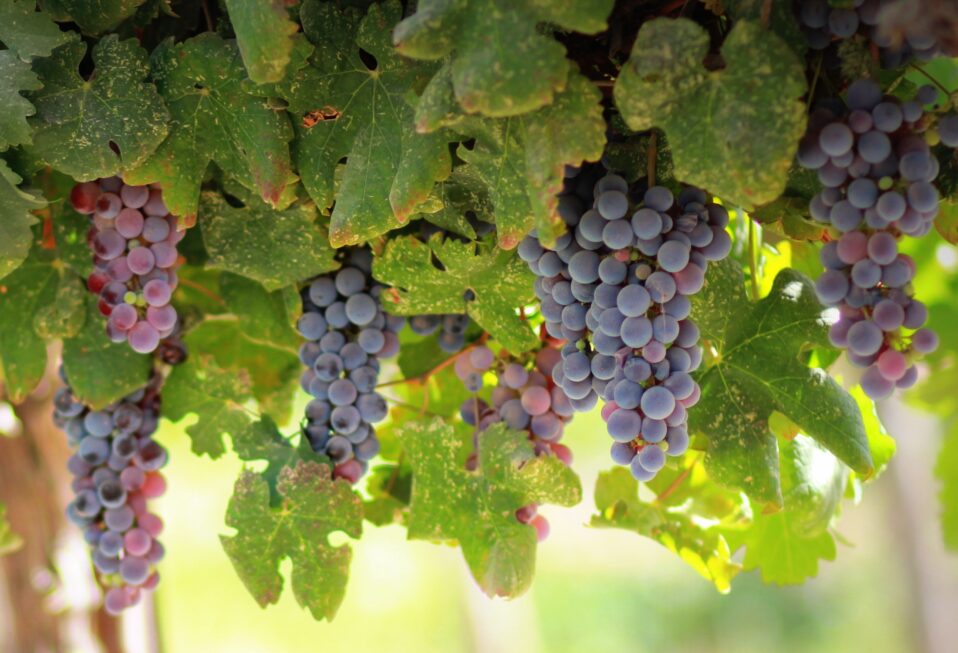
“But the fruit of the Spirit is love, joy, peace, forbearance, kindness, goodness, faithfulness, gentleness and self-control. Against such things there is no law” (Galatians 5:22-23).
We live in a world that speaks often about values, yet rarely cultivates them. Love is talked about constantly, but genuine love that is patient and selfless is hard to find. Joy is advertised as happiness, yet despair and anxiety seem far more common. Peace is longed for, but restlessness fills our homes, our conversations, and our hearts. The fruit of the Spirit does not grow naturally in the soil of our culture, and if we are not careful, that same environment can choke its growth in us.
Scripture gives us a clear picture of what true love looks like. Love is patient and kind. It does not seek its own advantage, keep score of wrongs, or delight in harm. It perseveres even when circumstances are difficult. When we compare this description to the way people often treat one another today, the contrast is striking. Much of what passes for love is driven by self-interest, outrage, or convenience rather than by commitment and compassion.
A glance at the world around us reveals what might be called the opposite of spiritual fruit. Instead of kindness, we see cruelty or indifference. Instead of faithfulness, we encounter inconsistency. Instead of self-control, we often witness unchecked impulses and reactions. This reality should not surprise us. The Spirit’s fruit does not grow automatically. It must be cultivated intentionally through obedience, surrender, and daily attentiveness to God.
This leads to an important truth. The fruit of the Spirit does not develop apart from choice. If we ignore the Spirit’s leading, the fruit will wither. If we refuse to practice forgiveness, patience, or gentleness, those qualities will not mature within us. God provides the Spirit, but we are responsible to walk with Him. Growth happens when we consistently choose God’s way over the habits and values of the world.
Another vital truth is that the fruit of the Spirit is primarily relational. They are lived out in everyday interactions with family members, coworkers, neighbors, and even those who oppose us. Gentleness is expressed in how we respond under pressure. Faithfulness shows itself in loyalty and integrity. Peace becomes visible when we refuse to escalate conflict and instead seek reconciliation.
Although the world does not naturally produce this kind of fruit, it recognizes it when it sees it. People may argue with beliefs, but they are often drawn to lives marked by kindness, patience, and genuine love. The fruit of the Spirit carries a sweetness that cannot be manufactured or ignored.
Today, consider where God might be inviting you to tend the garden of your heart more carefully. Where might love need deeper roots? Where could patience or self-control grow stronger? As we choose to walk by the Spirit, God produces in us what the world cannot create on its own.
PRAYER
Father, lead us in Your ways, so that Your fruit will grow in us. Help us to choose to walk in obedience to You. Amen.
Bearing Fruit That Reflects God
“But the fruit of the Spirit is love, joy, peace, forbearance, kindness, goodness, faithfulness, gentleness and self-control. Against such things there is no law” (Galatians 5:22-23).
We live in a world that speaks often about values, yet rarely cultivates them. Love is talked about constantly, but genuine love that is patient and selfless is hard to find. Joy is advertised as happiness, yet despair and anxiety seem far more common. Peace is longed for, but restlessness fills our homes, our conversations, and our hearts. The fruit of the Spirit does not grow naturally in the soil of our culture, and if we are not careful, that same environment can choke its growth in us.
Scripture gives us a clear picture of what true love looks like. Love is patient and kind. It does not seek its own advantage, keep score of wrongs, or delight in harm. It perseveres even when circumstances are difficult. When we compare this description to the way people often treat one another today, the contrast is striking. Much of what passes for love is driven by self-interest, outrage, or convenience rather than by commitment and compassion.
A glance at the world around us reveals what might be called the opposite of spiritual fruit. Instead of kindness, we see cruelty or indifference. Instead of faithfulness, we encounter inconsistency. Instead of self-control, we often witness unchecked impulses and reactions. This reality should not surprise us. The Spirit’s fruit does not grow automatically. It must be cultivated intentionally through obedience, surrender, and daily attentiveness to God.
This leads to an important truth. The fruit of the Spirit does not develop apart from choice. If we ignore the Spirit’s leading, the fruit will wither. If we refuse to practice forgiveness, patience, or gentleness, those qualities will not mature within us. God provides the Spirit, but we are responsible to walk with Him. Growth happens when we consistently choose God’s way over the habits and values of the world.
Another vital truth is that the fruit of the Spirit is primarily relational. They are lived out in everyday interactions with family members, coworkers, neighbors, and even those who oppose us. Gentleness is expressed in how we respond under pressure. Faithfulness shows itself in loyalty and integrity. Peace becomes visible when we refuse to escalate conflict and instead seek reconciliation.
Although the world does not naturally produce this kind of fruit, it recognizes it when it sees it. People may argue with beliefs, but they are often drawn to lives marked by kindness, patience, and genuine love. The fruit of the Spirit carries a sweetness that cannot be manufactured or ignored.
Today, consider where God might be inviting you to tend the garden of your heart more carefully. Where might love need deeper roots? Where could patience or self-control grow stronger? As we choose to walk by the Spirit, God produces in us what the world cannot create on its own.
PRAYER
Father, lead us in Your ways, so that Your fruit will grow in us. Help us to choose to walk in obedience to You. Amen.





Post a comment