



By Arlene Bridges Samuels
Purim, the beloved Feast of Esther, begins at sundown on March 2 and ends at sunset on March 3. Each year Jewish communities around the world celebrate the courage of Queen Esther and her kinsman Mordechai, who rescued their people from annihilation in ancient Persia. The Book of Esther recounts how Haman, a power-hungry royal official under King Ahasuerus, plotted genocide against the Jews. In the end, Haman was hanged on the very gallows he built for Mordechai.
Through the bravery of Esther and the steadfast faith of the Jewish people, the plot was overturned. What was meant for destruction became deliverance.
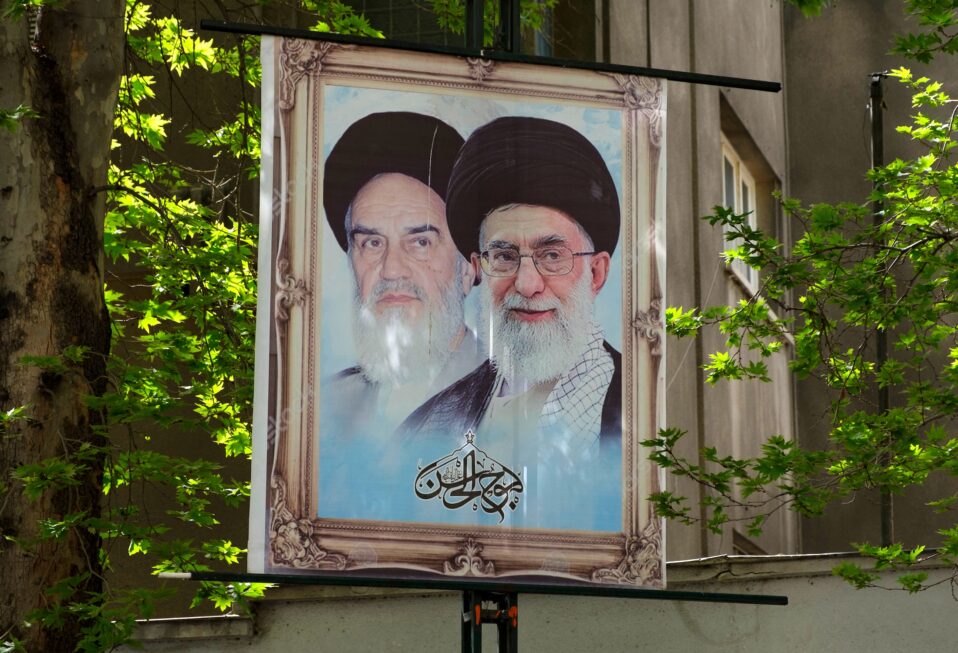
Nearly 2,500 years later, the land once known as Persia is again central to the Jewish story. Modern Iran stands in painful contrast to the Persia of Esther’s day. King Ahasuerus ultimately acted to protect the Jewish community after hearing Esther’s plea. Today, however, the Islamic Regime resembles a coalition of Hamans. Since 1979, its leaders have repeatedly declared their aim to destroy Israel while brutally suppressing their own freedom loving citizens.
As Purim approaches, the parallel is impossible to ignore.
American and international negotiators may pursue peace with good intentions, yet the Islamic Regime has demonstrated a long pattern of deception. Agreements on paper do not necessarily reflect intentions in practice. Russian dissident and Nobel laureate Andrei Sakharov once warned, “A country which does not respect the rights of its own citizens will not respect the rights of its neighbors.” His words remain sobering when applied to Iran’s leadership.
The Ayatollahs, supported by the Islamic Revolutionary Guard Corps and the Basij paramilitary, have crushed dissent for decades. Reports of mass arrests, executions, and violent crackdowns have mounted. Tehran’s main cemetery, Behesht e Zahra, has reportedly struggled with capacity as unrest continues. Civilian suffering remains severe, while state-controlled media seeks to minimize or conceal the scope of repression.
Within Iran, all minorities outside the regime’s power structure face vulnerability. Christians, non-practicing Muslims, and Jews live under constant pressure. For years the regime has attempted to portray itself as tolerant toward Iranian Jews, often using them as symbolic evidence of moderation. Yet coercion tells a different story. Jewish leaders are pressured to attend pro regime rallies or issue carefully worded public statements. Official rhetoric claims a distinction between opposition to Jews and opposition to Zionists, but inflammatory sermons and state messaging frequently blur that line.
Before the 1979 revolution, more than 100,000 Jews lived in Iran, forming one of the oldest Jewish communities in the Middle East. After the Islamist takeover, most fled. Today estimates suggest between 9,000 and 15,000 Jews remain, navigating discrimination, surveillance, and periodic arrests.
In March 2025, before the twelve-day war and the subsequent waves of protest, a video showed Iranian Jews celebrating Purim at the Tomb of Esther and Mordechai in Hamadan, traditionally associated with ancient Shushan. Iran’s Chief Rabbi, Yehuda Gerami, read the Megillah as families danced and sang. The mausoleum has long served as a pilgrimage site for Jews and Christians. Yet its status has been downgraded, protective signage removed, and threats of vandalism and destruction have surfaced. Preservation of this sacred site has become increasingly fragile under Islamic rule.
After last year’s conflict, more than thirty Jewish individuals were reportedly arrested on accusations of espionage, and rabbis and cantors were interrogated. At some Friday prayers, imams appointed by Supreme Leader Ali Khamenei have publicly called for the destruction of Jews, labeling them enemies of Islam and humanity.
Despite these dangers, Purim 2026 will still be observed. Iranian civilians of many backgrounds, including Muslims, Christians, and Jews, continue to protest tyranny. Many are risking their lives for freedom, echoing Esther’s resolve.
In Israel, Purim will be celebrated with joy, costumes, hamantaschen, and public readings of Esther’s story. Some celebrations may take place in protected spaces or even bomb shelters, yet the spirit of the holiday remains resilient. Celebration itself becomes an act of defiance and hope.
Christians in Iran also face immense pressure, yet the church continues to grow. Independent researchers estimate that between 800,000 and 3 million believers now live in Iran, a dramatic increase over the past decade. Christianity is often described as the fastest growing faith in the country, despite persecution.
One voice representing this modern struggle is Marziyeh Amirizadeh, an Iranian born Christian who was arrested in 2009 for her faith and sentenced to death by hanging. After witnessing the execution of friends and enduring nine months in Tehran’s Evin prison, she was miraculously released and later became a United States citizen. She now leads NewPersia.org and advocates for both Iranian freedom and Jewish safety.
Marziyeh affirms that most Iranians do not share their regime’s hatred of Israel. Partnering with Israeli activist Jonathan Feldstein, she co-founded Root and Branch Israel, a movement dedicated to building unity between Jews and Christians. As Purim approaches, she prays for a future in which Persians and Jews rejoice together in freedom, celebrating the fall of tyranny and the rise of peace and friendship.
The story of Esther continues to speak across centuries. Mordechai’s challenge to his niece remains relevant: “And who knows but that you have come to your royal position for such a time as this?” Esther’s courageous response echoes even louder: “If I perish, I perish.”
Purim is not only a remembrance of ancient deliverance. It is a call to moral clarity and courageous action in our own time.
As we approach this sacred holiday, let us renew our commitment to pray for Israel and for the people of Iran. What is God asking each of us to do for such a time as this?
Our CBN Israel team invites you to join us in prayer as Purim approaches.
Prayer Points:
- Pray for wisdom for the United States and Israel in addressing the Islamic Regime.
- Pray that believers will discern how they are called to respond for such a time as this.
- Pray for the safety and courage of Jewish and Christian Iranians.
- Pray that the joy of Purim will strengthen Jewish hearts even in times of danger.
Arlene Bridges Samuels is the weekly feature columnist for CBN Israel since 2020. Working on the staff of the American Israel Public Affairs Committee (AIPAC) as their SE Regional Outreach Director for nine years, International Christian Embassy Jerusalem USA engaged her as the Leadership Outreach Director part-time for their project American Christian Leaders for Israel. Arlene is an author at The Blogs-Times of Israel, is published at AllIsrael.com and The Jerusalem Connection, and has traveled to Israel since 1990. By invitation, she attends Israel’s Government Press Office Christian Media Summits as part of Christian media worldwide. In 2024, Arlene and her husband Paul co-authored Mental Health Meltdown: Illuminating the Voices of Bipolar and Other Mental Illnesses. www.TheMentalHealthMeltdown.com.





Post a comment