

ARTICLES

Judeo‑Christian Civilization: A Vital Defense Against Rising Antisemitism

By Arlene Bridges Samuels

Although antisemitism has reached alarming levels around the world, Judeo-Christian alliances continue to grow in strength and purpose. On the eve of the anniversary of the 1967 Six-Day War, we remember how the Israel Defense Forces reunified ancient Jerusalem and restored the city as Israel’s capital. For the first time since the Romans destroyed the Second Temple in A.D. 70, the Jewish people regained sovereign control of the Old City and restored free access to their holiest site, the Western Wall.

That victory became a modern foundation stone for Jewish civilization. As an IDF chaplain sounded the shofar, Israeli paratroopers stood before the Western Wall overcome with emotion, reverently touching the ancient stones. In the years that followed, new opportunities for friendship and cooperation between Christians and Jews emerged. Christian pilgrims from around the world began visiting the Western Wall freely, knowing they were walking where Jesus Himself once walked in Jerusalem.

The term Judeo-Christian first emerged during the 1930s and 1940s through theologians such as Reinhold Niebuhr and Paul Tillich. It gained prominence as a response to rising fascism and antisemitism. In 1952, President Dwight D. Eisenhower further popularized the phrase shortly before his inauguration when he declared, “Our form of government has no sense unless it is founded in a deeply felt religious faith. With us, of course, it is the Judeo-Christian concept.”

Today, that concept remains highly relevant. The question is how it has evolved in response to the barbarity of October 7, 2023, and the unprecedented rise in antisemitism that followed.

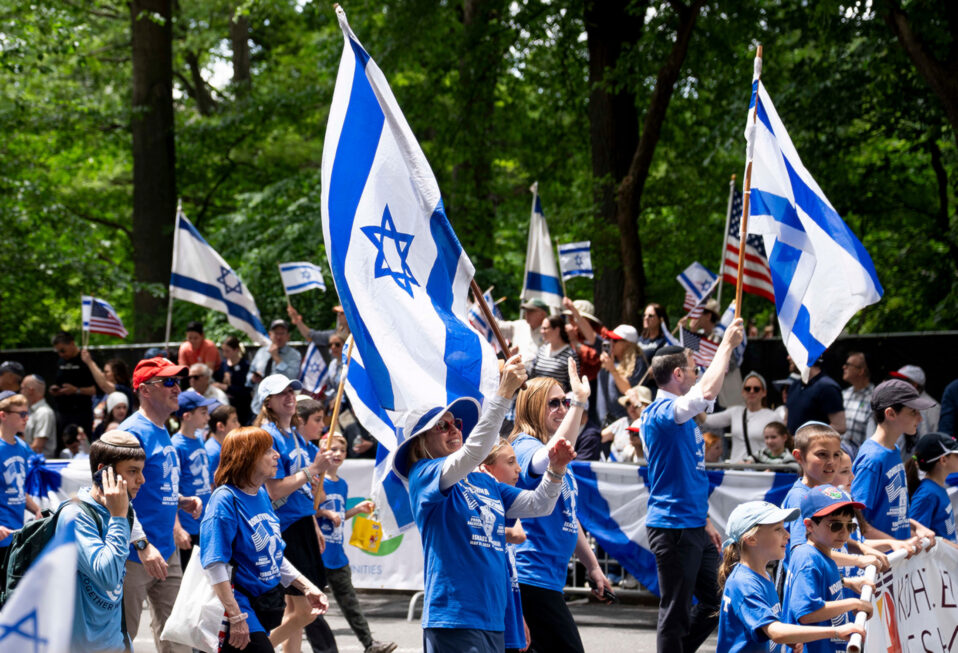
One answer was visible last Sunday during the annual Israel Day on Fifth Avenue parade in New York City, which drew its largest turnout since 2014. Under the themes “Proud Americans, Proud Zionists” and “Am Yisrael Chai, United in Strength,” more than 50,000 participants marched while tens of thousands lined Fifth Avenue.

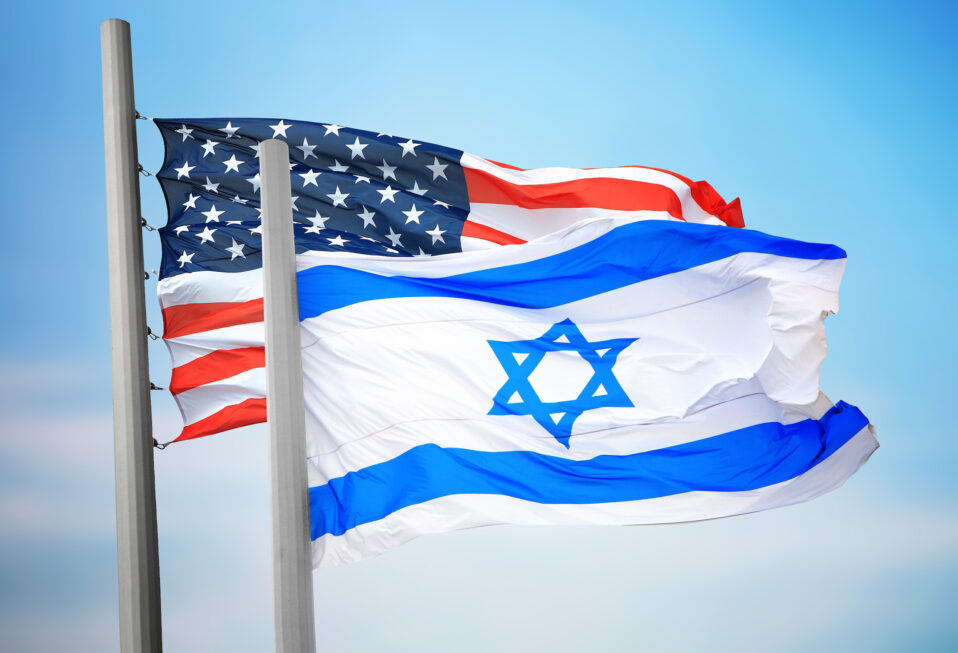
American and Israeli flags waved side by side as marchers sang, danced, and celebrated peacefully. Their banners proclaimed messages such as “Light Will Overcome Darkness,” “Jews and Christians Stand Together,” “Protect Jewish Students,” and “Never Again Is Now.”

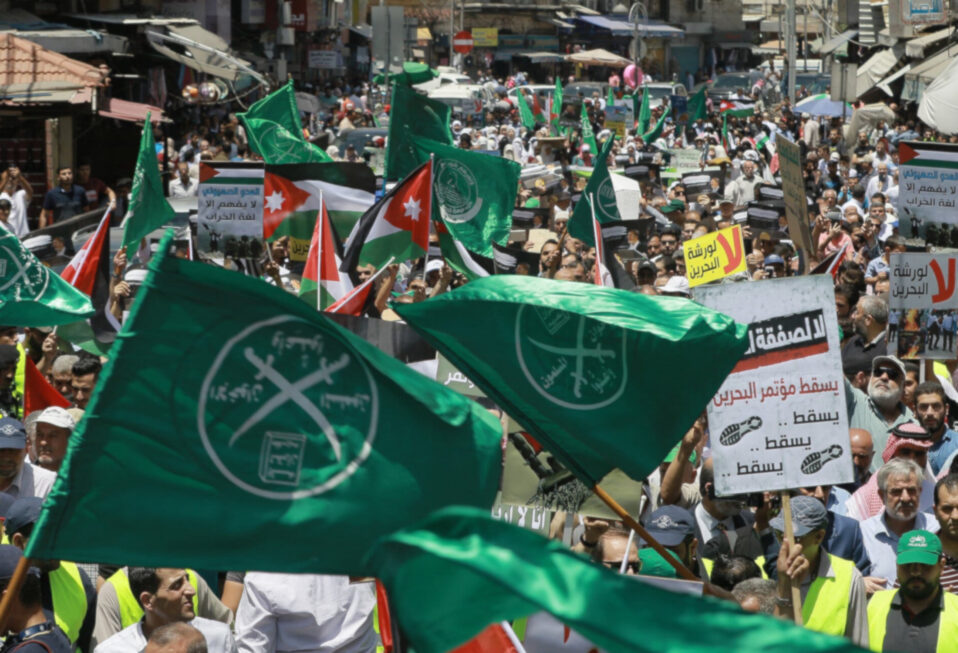
These messages reflected enduring principles of freedom, moral responsibility, and human dignity. They stood in sharp contrast to the anti-Israel rhetoric that has become increasingly common in recent years, including slogans such as “Hamas, We Love You,” “Globalize the Intifada,” and “Gas the Jews.” The contrast could not have been clearer.

Thanks to extensive security efforts, New York police prevented anti-Israel demonstrators from disrupting the parade or harming participants. Among the many organizations represented was Eagles’ Wings, a prominent Christian Zionist ministry that has participated for years.

Bishop Robert Stearns summarized the spirit of the day: “At a time when antisemitism is rising around the world, we are proud to stand with moral clarity. Hatred will never have the final word. To our Jewish brothers and sisters: You are not alone.”

Stearns noted that Eagles’ Wings brought its largest Christian delegation ever. In many ways, the gathering illustrated how Eisenhower’s Judeo-Christian concept continues to mature into a broader defense of Judeo-Christian civilization.

Another example of this growing alliance appeared through the participation of the newly formed Judeo-Christian Zionist Congress. Established in February 2026, the organization includes Jewish, Christian, and Arab leaders committed to strengthening the Judeo-Christian foundations of Western civilization and advocating for Israel as the world’s only Jewish state.

The evidence continues to mount that, since October 7, 2023, the world has been confronted with a civilizational choice. This is more than a political disagreement or cultural dispute. It is a contest between the moral foundations of Judeo-Christian civilization and the jihadist ideology advanced by the Islamic Regime and its proxies.

For Christians, the response should be clear. We must renew our commitment to the biblical values that shaped Western civilization and continue to provide a foundation for truth, freedom, justice, and human dignity.

Meanwhile, another remarkable development recently took place in Jerusalem. Christian leaders from thirty-eight nations gathered for the tenth Jerusalem Prayer Breakfast, bringing together spiritual, political, and cultural leaders from around the world. During the event, Shomron Regional Council leader Yossi Dagan bestowed honorary citizenship in Judea and Samaria upon the assembled Christian Zionist leaders.

Orthodox Rabbi Tuly Weis, founder of Israel365, welcomed the gesture. Through his work building bridges between Jews and Christians, Weis emphasized that both the leadership and residents of Judea and Samaria recognize and deeply value Christian support for Israel and its biblical heartland.

Recognition of Judeo-Christian civilization is also spreading internationally. The Portugal-based International Observatory of Human Rights recently made history by honoring Jews, Christians, and Jerusalem for their contributions to modern civilization.

Its president, Dr. Luis Andrade, observed: “Judeo-Christian civilization reminds us that Jerusalem, Israel’s capital and the spiritual homeland of Jews and Christians worldwide, remains a shared cultural and religious foundation linking both the West and Eurasia.”

At its core, Judeo-Christian civilization represents the historical, cultural, and moral framework that emerges from the Old and New Testaments. The biblical principles of justice, compassion, human dignity, personal responsibility, and the rule of law have profoundly shaped the Western world.

As antisemitism rises and moral confusion spreads, now is not the time for silence. Let us recommit ourselves to the biblical foundations that have sustained freedom for generations and continue to serve as a beacon of hope for the future.

Our CBN Israel team welcomes you to join us in prayer this week.

Prayer Points:

  • Pray with gratitude for the growing partnerships between Christians and Jews.
  • Pray for wisdom, effectiveness, and continued growth for organizations advancing Judeo-Christian civilization.
  • Pray that Christians will increasingly combine prayer with action in support of Israel and the Jewish people.
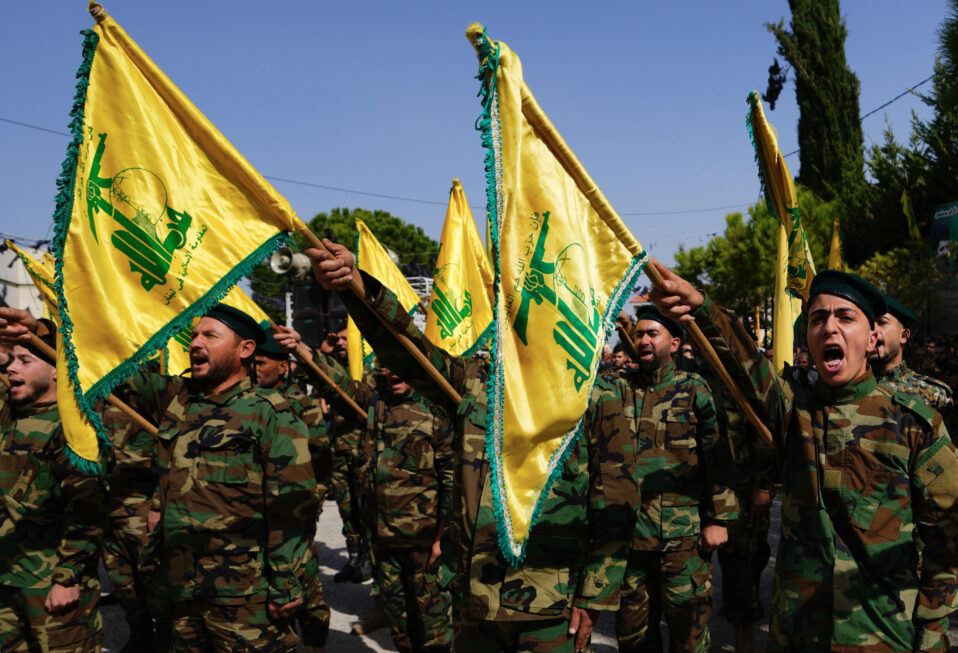
  • Pray for the safety of Israelis in northern Israel as Hezbollah continues its attacks from Lebanon.
Read more

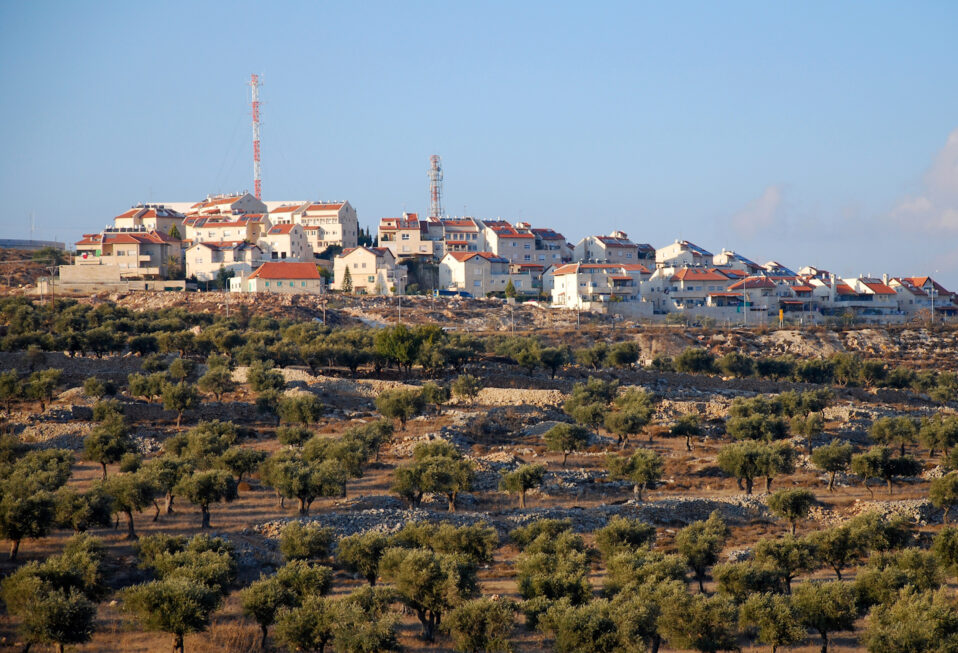
Judea and Samaria: The Battle Over Israel’s Biblical Heartland

By Arlene Bridges Samuels

Israel’s Knesset has spent the past two years advancing legislation that could reshape the modern debate over sovereignty in Judea and Samaria. The proposed Heritage Authority bill has reignited international tensions, drawing criticism from many of Israel’s detractors and even from some allies. Though the legislation is not yet finalized, the Knesset continues moving steadily toward formal approval.

A May 12 Knesset press release outlined the bill following its first reading, after which it advanced for further review and debate. The legislation would place responsibility for antiquities, archaeology, and heritage sites in Judea and Samaria directly under Israeli oversight. It also proposes establishing a Judea and Samaria Heritage Authority, a civilian agency tasked with excavation, preservation, land acquisition, enforcement, and the protection of archaeological evidence.

To understand why this legislation matters so deeply to Israelis, it is important to revisit the historical background.

The modern dispute stretches back nearly eight decades. In 1947, Jewish leaders accepted the United Nations Partition Plan, Resolution 181, which proposed dividing the land into Jewish and Arab states. Arab leaders rejected the proposal outright. On May 14, 1948, only hours after David Ben-Gurion proclaimed Israel’s independence, surrounding Arab nations launched war against the newborn Jewish state.

Ironically, the United Nations plan had already allocated much of the biblical heartland’s fertile agricultural land and key water resources to the proposed Arab state. Yet even that was not enough to satisfy Arab leadership. As war unfolded, the geographical terminology itself began changing. Judea and Samaria, the historic biblical heartland west of the Jordan River, increasingly became known internationally as the “West Bank.” Over time, this terminology hardened into a diplomatic framework that often ignores Israel’s historical and legal claims to the land.

Biblically, however, the Jewish connection to the land stretches back thousands of years. Modern Israel is not merely a seventy-eight-year-old state. Its history, culture, and spiritual identity trace back more than 3,400 years to God’s covenant with Abraham recorded in Genesis 12.

The Bible itself stands apart among ancient texts for its remarkable preservation, historical continuity, and global influence. Written over approximately fifteen centuries by forty authors across three continents and in three languages, Scripture presents a unified narrative regarding the Jewish people and the land of Israel.

Exodus 19:5 records God’s declaration: “Now therefore, if you will indeed obey My voice and keep My covenant, then you shall be a special treasure to Me above all people; for all the earth is Mine.”

Jeremiah 31:35-36 further emphasizes God’s enduring covenant with Israel: “This is what the LORD says, He who appoints the sun to shine by day, who decrees the moon and stars to shine by night … the LORD Almighty is His name: ‘Only if these decrees vanish from My sight, declares the Lord, will Israel ever cease being a nation before me.’”

Beyond biblical conviction, Israeli leaders also point to urgent operational concerns behind the Heritage Authority legislation.

The Israel Antiquities Authority and international archaeological organizations have documented widespread antiquities theft, site destruction, black market smuggling, and organized looting networks operating throughout Judea and Samaria. Ancient Jewish burial caves, Byzantine churches, Roman fortresses, and biblical sites have suffered irreversible damage.

The Antiquities Theft Prevention Unit warns that archaeological layers preserving thousands of years of history are being destroyed at an unprecedented rate. For Christians as well as Jews, this loss is significant. These sites offer tangible connections to biblical history and to the land where the events of Scripture unfolded.

The proposed legislation seeks to strengthen Israel’s ability to preserve and protect those historical treasures.

International reaction, however, has been swift and critical. The European Union continues to describe Judea and Samaria as “occupied Palestinian territory,” labels Jewish communities there as “settlements,” and insists such communities violate international law. European officials have demanded that Israel reverse course.

Yet the Heritage Authority bill continues advancing through Israel’s legislative process. Alongside it, another major development emerged in 2025 when the Knesset approved a preliminary reading extending Israeli sovereignty to Ma’ale Adumim, one of the largest Jewish cities in Judea and Samaria with approximately 40,000 residents. Many Israelis consider it a suburb of Jerusalem.

For supporters of Israel, these developments are about far more than politics. They represent questions of identity, heritage, historical truth, and biblical conviction.

As global tensions intensify and the debate surrounding Israel grows increasingly polarized, believers are challenged to stand with courage, wisdom, and conviction. In a confused and often hostile world, truth still matters.

Our CBN Israel team welcomes you to join us in prayer this week.

Prayer Points:

  • Pray for wisdom and determination among Knesset leaders as they continue deliberations on the Heritage Authority bill.
  • Pray that the Knesset’s diverse members, including Jews, Arabs, and Druze, will seek decisions that protect Israel’s history and future.
  • Pray for the safety and security of Jewish communities throughout Judea and Samaria amid growing threats and tensions.

Arlene Bridges Samuels is the weekly feature columnist for CBN Israel since 2020. Working on the staff of the American Israel Public Affairs Committee (AIPAC) as their SE Regional Outreach Director for nine years, International Christian Embassy Jerusalem USA engaged her as the Leadership Outreach Director part-time for their project American Christian Leaders for Israel (ACLI). Arlene is an author at The Blogs-Times of Israel, is published at AllIsrael.com and The Jerusalem Connection. Her devotionals and articles also appear on her Substack, The Eclectic Evangelical. She serves on the Advisory Board of NewPersia.org and on the advisory committee of RootAndBranchIsrael.com. Having traveled to Israel regularly since 1990, Arlene participates in Israel’s Government Press Office Christian Media Summits alongside members of Christian media from around the world. In 2024, Arlene and her husband Paul co-authored Mental Health Meltdown: Illuminating the Voices of Bipolar and Other Mental Illnesses. In May 2026, The White Rose Society honored Arlene as a non-Jewish individual who stands with the Jewish people.
Read more

Keeping Shavuot Alive Through War and Uncertainty

By Arlene Bridges Samuels

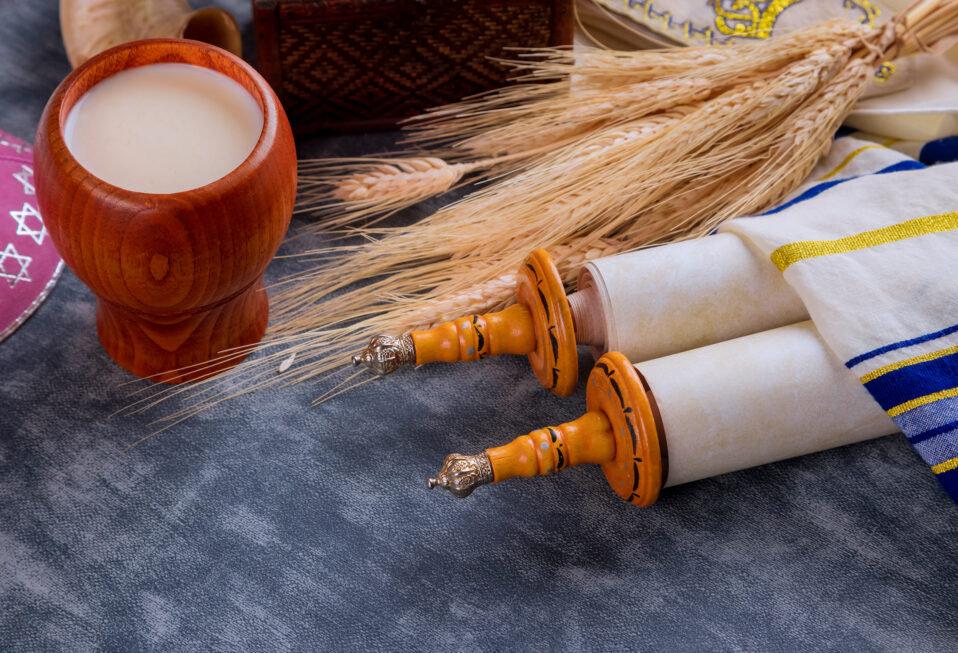
Shavuot is one of Judaism’s three major pilgrimage festivals, along with Passover and Sukkot, when the Israelites were commanded to journey to Jerusalem. This year, the two-day celebration begins at sundown on May 21 in Israel and in synagogues around the world.

The word Shavuot means “weeks.” The festival arrives after a seven-week countdown that begins at Passover and culminates fifty days later with the Feast of Weeks, a joyful harvest celebration that also commemorates God giving the Torah and the Ten Commandments to Moses on Mount Sinai more than three thousand years ago. The counting of days creates a sense of expectation and spiritual preparation. Christians know this same season as Pentecost, which falls on May 24 this year.

Acts 2 records that approximately fifteen hundred years after the giving of the Torah, another historic event unfolded in Jerusalem during Shavuot. Fifty days after Jesus’ resurrection, the Holy Spirit descended in the Upper Room as Jewish worshippers from many nations filled the city for the festival. What began at Sinai with the written law expanded into a spiritual harvest as the Gospel began spreading outward from Jerusalem to the nations.

The timing is deeply significant. Jewish pilgrims from across the ancient world traveled to Jerusalem for Passover and often remained through the fifty-day count leading to Shavuot, also called Bikkurim, or First Fruits. First century historian Josephus estimated that millions filled Jerusalem during these festival seasons. Acts 2:9-11 lists many of the places represented among the worshippers, including regions that correspond to modern nations such as Iran, Iraq, Egypt, Libya, Turkey, Italy, Saudi Arabia, and Crete.

Whether people personally witnessed the events described in Acts or heard reports spreading rapidly through Jerusalem, the impact was extraordinary. Pilgrims eventually returned home carrying news of what had happened. In this way, the Gospel spread geographically through Jewish worshippers who became witnesses. The earliest believers, including the disciples and the Apostle Paul, were Jewish followers of Jesus. The Good News was born in the Holy Land and then opened outward to the Gentile world.

For thousands of years, Jewish festivals have tied generations together through remembrance, worship, and endurance. No matter where Jews lived or what hardships surrounded them, Shabbat and the biblical festivals remained central to Jewish identity.

That determination was vividly displayed again in 1948 during Israel’s War of Independence.

Only weeks after David Ben-Gurion proclaimed the establishment of the modern State of Israel on May 14, 1948, five Arab armies invaded the newborn nation. The Jewish population had barely emerged from the horrors of the Holocaust. Jerusalem faced severe food shortages. Weapons were scarce. Bombings and battles threatened civilians daily.

Yet even amid war, Israelis chose to keep Shavuot.

That year, Shavuot fell on June 12 and became the first major biblical festival celebrated once again in a restored Jewish homeland. The circumstances were overwhelming. The Israel Defense Forces had only just been formed. Electricity was intermittent. Food was rationed. Enemies surrounded the country.

Many wondered whether anyone would survive long enough to celebrate.

Still, communities across Israel refused to abandon the festival.

One kibbutz, Ein Harod, explained its decision simply: “It felt impossible to abandon this holiday. It is so deeply woven into our lives.”

Moshe Erem, a fighter from Kibbutz Beit Alfa near the Syrian border, wrote in his diary, “After night patrol, we danced the hora at dawn. The Syrians shelled the valley, but we danced anyway. This is our answer.”

At Kibbutz Yifat near Nazareth, children carried baskets to fathers and brothers guarding the perimeter. Some baskets held bread or eggs. One six-year-old girl quietly explained, “We brought fruit and bullets.”

David Ben-Gurion wrote in his diary, “Shavuot. The Cabinet met. We must ensure that the people celebrate, even as war rages.”

Golda Meir later reflected, “We had no milk or cheese, but we read the book of Ruth, a story of loyalty, like our soldiers’.”

In Letters from Jerusalem 1947-1948, underground fighter Zippy Porath described the arrival of desperately needed supplies during the siege: “A small convoy of jeeps bearing blessed arms, ammunition, and food came via the hills.” She added, “They’ve broken the siege and lifted our morale high.”

These moments reveal something profound about Israel’s history. Jewish festivals are not merely rituals or traditions. They are declarations of survival, identity, faith, and hope.

Today, wars and threats against Israel continue. Jewish communities worldwide still face rising hatred and violence. Yet Israel continues to observe Shabbat and celebrate the biblical festivals with determination and joy.

Christians may not fully understand God’s prophetic timetable, but Scripture reminds us of His enduring covenant. Zechariah 2:8 declares, “For whoever touches you touches the apple of His eye.” In Hebrew thought, the phrase refers to the pupil of the eye, the most sensitive and fiercely protected part of the body. The image reflects God’s vigilant care over His people.

As Shavuot approaches, let us honor God by standing with Israel in meaningful ways and by recognizing the extraordinary endurance of the Jewish people across generations.

Our CBN Israel team invites you to pray with us this week.

Prayer Points:

  • Pray with gratitude for Israel’s endurance and resilience through every generation.
  • Pray that Shavuot 2026 will be filled with encouragement, protection, and miracles for Israel.
  • Pray for wisdom for President Trump and Prime Minister Netanyahu as they make critical decisions.
  • Pray for the safety and freedom of the Iranian people who continue to suffer under oppression.
Read more

Rabbis and Pastors in the U.S. Unite in Advocating for Israel

By Arlene Bridges Samuels

Mainstream media coverage often leans toward negative narratives, leaving little room for stories of unity and cooperation. Yet a growing movement is taking shape across the United States, driven by rabbis, pastors, and faith leaders who are standing together in support of Israel.

In a time marked by uncertainty and division, many faith communities are seeking reliable information and meaningful ways to respond. Interfaith advocacy is emerging as a fact based and action-oriented effort that combines informed engagement, prayer, and hope. This collaboration reflects a renewed commitment to shared values rooted in Judeo Christian traditions.

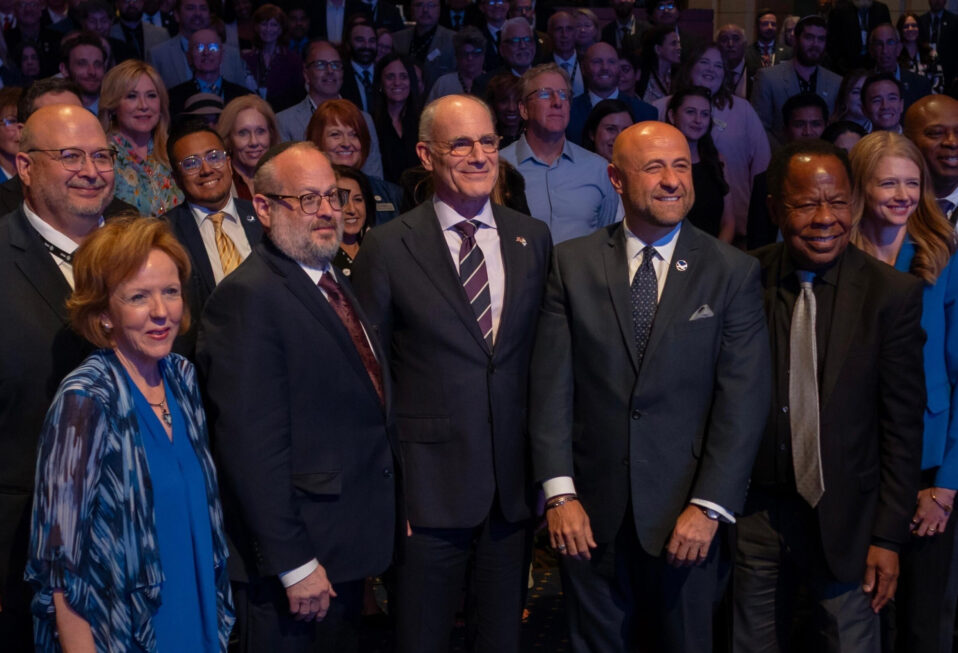
A significant example of this momentum was seen recently in Washington, D.C., where 500 rabbis, pastors, and faith leaders from more than 37 states gathered for Israel Advocacy Day. Their presence in the halls of Congress demonstrated a unified voice and a growing commitment to constructive engagement.

This effort brought together a wide range of organizations. Christian participants included the International Christian Embassy Jerusalem USA, American Christian Leaders for Israel, Eagles’ Wings, Israel Christian Nexus, and the Israel Allies Foundation. Jewish organizations included the Jewish Federations of North America, the Orthodox Union, the Rabbinical Council of America, and the Zionist Rabbinic Coalition.

The cooperation between these groups reflects a shift from informal relationships to intentional partnerships. Faith leaders are working together to strengthen understanding, address misinformation, and support policies that reinforce stability and security.

The roots of Israel Advocacy Day can be traced to the aftermath of October 7, 2023, when faith leaders recognized the need for a coordinated response. In a short time, this initiative has developed into a structured platform that engages lawmakers from both major political parties. Participants meet with members of Congress and their staff to discuss issues related to Israel, rising antisemitism, and the protection of religious communities.

Shelley Neese, president of The Jerusalem Connection and coordinator for American Christian Leaders for Israel, has observed this transformation firsthand. She notes that Jewish and Christian leaders are no longer simply acquainted. They are working as allies. This partnership has strengthened communication and encouraged greater clarity in how both communities express their support for Israel.

During Israel Advocacy Day on May 6, mixed delegations of rabbis and pastors held 115 meetings across Capitol Hill. These discussions reflected broader public sentiment, including polling data that shows strong support for Israel among American voters. Faith leaders are helping to ensure that this support remains visible and active in the policy arena.

The advocacy agenda focused on reinforcing bipartisan support for Israel, addressing the rise in antisemitic incidents both in the United States and globally, and strengthening protections for houses of worship and faith-based communities.

The gathering concluded with remarks from public officials and community leaders, including Representative Don Bacon, Israeli Ambassador Yehiel Leiter, U.S. Special Envoy Yehuda Kaploun, and senior legal officials focused on civil rights. Their participation highlighted the importance of continued dialogue between faith communities and government leaders.

The evening before Advocacy Day, hundreds gathered for a gala that reflected both concern and hope. Eric Fingerhut, president and CEO of the Jewish Federations of North America, described the period since October 7 as deeply challenging. Yet he also pointed to the visible unity between Jews and Christians as a source of encouragement. Religious leaders emphasized the importance of expanding these partnerships in the years ahead.

For many Christian organizations, this level of collaboration represents the fulfillment of long-standing efforts to build meaningful relationships with the Jewish community. The breadth of participation from Jewish organizations signals a shared commitment to future cooperation.

Dr. Susan Michael, president of ICEJ USA, emphasized that support for Israel extends beyond any single community. She noted that it matters to millions of Americans. Jordanna McMillan of the Israel Allies Foundation affirmed that Jewish communities are not alone. Bishop Robert Stearns of Eagles’ Wings Ministries added a clear call to action, stating that passive concern is no longer sufficient and that people of faith must respond with purpose and conviction.

In a time when misinformation spreads quickly, this growing alliance offers a different path. It demonstrates that unity, informed advocacy, and shared purpose can shape meaningful outcomes.

Our CBN Israel team welcomes you to join us in prayer.

Prayer Points:

  • Pray for each Christian organization involved in this effort.
  • Pray for each Jewish organization participating in this growing partnership.
  • Pray for continued unity and active advocacy among Christians and Jews.
  • Pray for members of Congress to maintain strong and informed support for the United States and Israel relationship.
Read more

New Alliances Strengthen Israel’s Global Position

By Arlene Bridges Samuels

In an age where deception can spread across social media in seconds, truth remains steady and enduring. While harmful narratives about the United States, Israel, and their alliance continue to multiply, there is another reality that deserves attention. Truth must be spoken clearly and confidently. As Isaiah 62:1 declares, “For Zion’s sake I will not keep silent, for Jerusalem’s sake I will not remain quiet, till her vindication shines out like the dawn, her salvation like a blazing torch.”

Even as headlines focus on conflict with Iran, important developments are unfolding that highlight strengthening alliances and meaningful progress. Two such developments offer encouraging news for Israel and its global relationships.

The first is the emergence of the Isaac Accords. In 2025, Argentina’s president, Javier Milei, launched this initiative to deepen ties with Israel, following the framework established by the Abraham Accords. The agreement was formally signed in Jerusalem on April 19 by Prime Minister Netanyahu and President Milei, marking a significant shift in Argentina’s foreign policy.

This moment stands in sharp contrast to Argentina’s past. In the years following World War II, the country provided refuge to thousands of Nazi war criminals, including Adolf Eichmann and Josef Mengele, both central figures in the Holocaust. Today, Argentina has taken a markedly different path. It is now home to the largest Jewish population in Latin America, where Jewish citizens play an active and influential role in society.

The Isaac Accords aim to strengthen cooperation across economic, security, cultural, and diplomatic areas between Israel and Latin American nations. Supported by the Genesis Prize Foundation and the nonprofit American Friends of the Isaac Accords, the initiative promotes shared democratic values and mutual interests.

At the signing ceremony, Prime Minister Netanyahu emphasized the importance of this partnership, noting the role of the United States in supporting free societies. President Milei’s leadership has been widely recognized, including his selection as a recipient of the Genesis Prize for his strong support of Israel.

Milei has also committed to relocating Argentina’s embassy to Jerusalem and has reversed his country’s previous voting patterns at the United Nations to align more closely with Israel. He has prioritized investigations into past terrorist attacks in Buenos Aires, including the bombings of the Israeli embassy and the Argentine Israelite Mutual Association in the 1990s. These attacks, carried out by Iran-backed operatives, resulted in over one hundred deaths and hundreds of injuries.

Other countries in the region are following Argentina’s lead. Ecuador, Costa Rica, and Paraguay have designated Hamas, Hezbollah, and the Islamic Revolutionary Guard Corps as terrorist organizations. Bolivia has restored diplomatic ties with Israel. Brazil has established a parliamentary caucus focused on strengthening relations with Israel, and Honduras and Chile are exploring similar steps.

These developments also highlight a broader concern. The influence of the Islamic Regime is not limited to the Middle East. Its presence in Latin America has been established over decades through diplomatic and cultural channels. Addressing this influence is increasingly seen as important for regional stability and security.

Another positive change comes from Switzerland. Traditionally known for its neutrality, Switzerland has taken several steps to address terrorism and financial misconduct. Last year, the Swiss parliament banned Hamas and related groups from operating within its borders and strengthened measures to combat terror financing.

These actions represent a shift from longstanding policies that allowed financial secrecy. For years, concerns have been raised about the misuse of funds intended for humanitarian purposes. New regulations aim to increase transparency and cooperation with international partners.

In another significant decision, Switzerland voted against recognizing a Palestinian state, citing the absence of the institutional criteria required for statehood. This position reflects a reassessment of long-standing diplomatic approaches.

Together, these developments from Argentina, Switzerland, and other nations suggest a changing landscape in international relations. They demonstrate that alliances can evolve and that policies can shift toward greater accountability and cooperation.

In a time when negative narratives often dominate, these examples offer a reminder that constructive partnerships and principled decisions are still taking place. Speaking truth with clarity and conviction remains essential.

Our CBN Israel team invites you to join us in prayer.

Prayer Points:

  • Pray with gratitude for the development of new international partnerships supporting Israel.
  • Pray for President Javier Milei for wisdom, protection, and continued leadership.
  • Pray for efforts to counter terrorism and destabilizing influences in Latin America.
  • Pray for wisdom and strength for leaders in the United States and Israel.

Arlene Bridges Samuels is the weekly feature columnist for CBN Israel since 2020. Working on the staff of the American Israel Public Affairs Committee (AIPAC) as their SE Regional Outreach Director for nine years, International Christian Embassy Jerusalem USA engaged her as the Leadership Outreach Director part-time for their project American Christian Leaders for Israel. Arlene is an author at The Blogs-Times of Israel, is published at AllIsrael.com and The Jerusalem Connection, and has traveled to Israel since 1990. By invitation, she attends Israel’s Government Press Office Christian Media Summits as part of Christian media worldwide. In 2024, Arlene and her husband Paul co-authored Mental Health Meltdown: Illuminating the Voices of Bipolar and Other Mental Illnesses. www.TheMentalHealthMeltdown.com.

Read more

Despite War, Israel Continues to Bless the World

By Arlene Bridges Samuels

The Jewish concept of tikkun olam, meaning “repairing the world,” continues to guide Israel even amid multi-front wars. This small nation with a remarkable spirit continues to improve life far beyond its borders.

Consider just a few examples. Netafim drip irrigation systems help farmers in more than 100 countries increase crop yields and conserve water. Israeli desalination technologies operate in dozens of nations, addressing global water shortages. Mobileye has made Israel a leader in vehicle safety and autonomous driving systems. In medicine, IceCure’s ProSense technology offers minimally invasive cancer treatment by freezing tumors with extreme precision.

These innovations reflect a long-standing national commitment to share knowledge. In 1958, Israel established MASHAV, its Agency for International Development Cooperation, to provide training and expertise to developing nations. Since then, programs have reached more than 140 countries and trained hundreds of thousands of professionals, equipping them with tools to strengthen their own communities.

At the same time, Israel faces ongoing threats to its survival. The nation continues to defend itself against hostile forces while remaining committed to contributing to the global good. Despite these efforts, Israel is often overlooked or criticized rather than recognized for its impact.

Yet Israeli innovation continues as a form of resilience and purpose. Among nearly 200 nations in the world, Israel remains unique as the only Jewish state, with a history rooted in ancient times and a modern rebirth that continues to draw people back to their ancestral homeland. Since the Hamas war began, tens of thousands of Jews from around the world have immigrated to Israel, reflecting both connection and hope.

Since October 7, 2023, Israeli society has endured profound national trauma. Even so, its achievements have not slowed. In many cases, innovation has accelerated under pressure.

Health technology offers a clear example. Israel’s medical sector is widely recognized for its breakthroughs, many of which influence global standards of care. In emergency medicine, the concept of the “golden hour” highlights the importance of rapid treatment after injury. Israeli researchers and military medical teams have developed tools to meet that need in combat conditions. One such advancement enables rapid blood transfusion in the field, improving survival rates for wounded soldiers. Another widely adopted tool, the Combat Application Tourniquet, allows immediate control of severe bleeding with minimal training.

Israel’s medical corps has also integrated artificial intelligence to improve treatment for post-traumatic stress, supporting both soldiers and civilians. In the private sector, companies such as CartiHeal are advancing cartilage regeneration, while AI driven diagnostics are improving patient outcomes across hospitals worldwide.

Israel’s experience with emergencies has also shaped its global humanitarian response. The Israel Defense Forces and related agencies have carried out dozens of international aid missions, often while Israel itself is under threat. In 2025, Israeli teams delivered medical assistance to Druze communities in Syria and deployed rescue units to assist after a devastating earthquake in Southeast Asia. These missions reflect both expertise and a commitment to human life.

Cybersecurity is another area where Israel’s influence is global. Israeli companies develop systems that detect cyber threats in real time, protecting banks, hospitals, airports, and government networks. These technologies help safeguard critical infrastructure and respond quickly to evolving risks.

Even during wartime, Israel’s high-tech sector remains strong. It accounts for a significant portion of the national workforce and continues to grow. New jobs are being created, and innovation remains a driving force in the economy.

In defense technology, Israeli companies are advancing artificial intelligence, surveillance systems, and drone capabilities suited to modern warfare. These developments not only strengthen Israel’s security but also shape how other nations respond to emerging threats.

Taken together, Israel’s contributions in health care, technology, and humanitarian aid reinforce its position as a global leader in innovation. These achievements continue despite the immense pressures of war.

Yet the global narrative often fails to reflect these realities. Israel is frequently portrayed in negative terms, while its contributions to global wellbeing receive far less attention. This imbalance underscores the importance of informed discussion and a commitment to truth.

The story of Israel is not only one of conflict. It is also one of creativity, resilience, and service to others. Even under fire, the nation continues to live out the principle of repairing the world.

Our CBN Israel team invites you to join us in prayer.

Prayer Points:

  • Pray with gratitude for Israel’s contributions that benefit people around the world.
  • Pray for wisdom and protection for Israel’s military as it faces ongoing threats.
  • Pray for continued cooperation between Israel and the United States.
  • Pray for healing and restoration for those affected by trauma.

Arlene Bridges Samuels is the weekly feature columnist for CBN Israel since 2020. Working on the staff of the American Israel Public Affairs Committee (AIPAC) as their SE Regional Outreach Director for nine years, International Christian Embassy Jerusalem USA engaged her as the Leadership Outreach Director part-time for their project American Christian Leaders for Israel. Arlene is an author at The Blogs-Times of Israel, is published at AllIsrael.com and The Jerusalem Connection, and has traveled to Israel since 1990. By invitation, she attends Israel’s Government Press Office Christian Media Summits as part of Christian media worldwide. In 2024, Arlene and her husband Paul co-authored Mental Health Meltdown: Illuminating the Voices of Bipolar and Other Mental Illnesses. www.TheMentalHealthMeltdown.com.

Read more

American Pilots: Pivotal in Israel’s 1948 War of Independence

By Arlene Bridges Samuels

American pilots, both Jewish and Christian, share a remarkable history of partnership with Israel that reaches back to the nation’s founding on May 14, 1948. On that historic evening in Tel Aviv, Prime Minister David Ben-Gurion read the Declaration of Independence as jubilant crowds filled the streets with celebration.

At midnight, when the British Mandate officially ended and British forces withdrew, the celebration abruptly gave way to urgency. The new nation, home to about 650,000 Jews, was still reeling from the Holocaust. Now it faced an imminent invasion by surrounding Arab armies. The threat of destruction was immediate and real.

Looking back at Israel’s War of Independence, the role of American pilots stands out as both pivotal and extraordinary. What began as a covert effort to obtain outdated aircraft and limited weaponry became a mission that helped alter the course of history.

Israel’s Independence Day in 2026 began at sundown on April 21 and ended the following evening. Despite ongoing war, missile attacks, and national strain, Israelis marked the occasion with resilience. Families gathered, music filled the air, and voices rang out with the familiar declaration, “Am Yisrael Chai,” meaning “the people of Israel live.” Even in hardship, celebration persisted.

That resilience invites reflection on the early days of the state, when Israel had almost no military infrastructure. In 1948, it had no formal air force and only minimal weaponry. When five Arab nations launched a coordinated attack, Israel urgently needed help. Volunteers from around the world responded.

One of the most significant efforts was known as MACHAL (Mitnadvei Chutz La’Aretz), an acronym for “Volunteers from Abroad.” More than 4,000 men and women from 58 countries joined Israel’s fight for survival between 1947 and 1949. They included pilots, sailors, medics, mechanics, radio operators, and infantry fighters. Many were veterans of World War II who brought essential experience to a nation fighting for its existence.

American pilots played a particularly vital role. Facing severe shortages, Israel relied on ingenuity, international support, and determination. Golda Meir later recalled that the country possessed only a handful of rifles, a few machine guns, and just nine aircraft, with only one having two engines. Against this, the combined forces of Egypt, Jordan, Iraq, Syria, and Lebanon brought tanks, armored vehicles, and established air power.

Holocaust survivors, many newly arrived, joined the fight with little training but immense resolve. Between 25,000 and 30,000 survivors served in combat, making up nearly half of Israel’s early fighting force. About ten percent of those who died in the war were Holocaust survivors.

More than 1,000 volunteers from the United States joined the effort, including many experienced pilots. Records show that dozens of Christian pilots from the United States and Canada also volunteered. These pilots flew combat missions, transported aircraft across continents, and helped train Israel’s first generation of aviators.

Their service carried serious risks. American neutrality laws made such involvement illegal, exposing volunteers to potential arrest, fines, or loss of citizenship. Some operated quietly or under assumed roles. Despite these risks, they chose to act, driven by a desire to prevent further tragedy and to support a nation under threat.

A central figure in this effort was Al Schwimmer, a former U.S. Air Force pilot. Recognized for his courage during World War II, Schwimmer later became a key architect of Israel’s early air capabilities. Determined to help, he organized the acquisition and transport of surplus aircraft, often under conditions of secrecy and danger.

Working with Czechoslovakia, the only country willing to assist at the time, Schwimmer and his team secured aircraft and training opportunities for Israeli pilots. His efforts culminated in a historic moment on July 15, 1948, when Israeli forces carried out their first long range bombing mission against Cairo using B17 aircraft. The strike caught Egypt off guard and marked a turning point in the war.

Schwimmer later moved to Israel and founded Israel Aerospace Industries, helping build the nation’s aviation sector. David Ben-Gurion described the contribution of MACHAL and Schwimmer’s work as the most important support provided by the Jewish diaspora to Israel’s survival.

The cost of independence was high. Israel lost 6,373 people in the war, nearly one percent of its population at the time. This came just years after the loss of six million Jews in the Holocaust. The nation’s infrastructure and economy were fragile, yet its determination endured.

Today, Israel reflects more than seven decades of perseverance, innovation, and resilience. Its early struggles highlight the importance of partnership, courage, and sacrifice. The contributions of American pilots, both Jewish and Christian, remain a defining chapter in that story.

The prophet Isaiah once asked, “Can a country be born in a day?” History has answered that question. Israel stands as that nation.

Our CBN Israel team invites you to join us in prayer this week.

Prayer Points:

  • Pray with gratitude for God’s faithfulness to the Jewish people.
  • Pray for families grieving loved ones lost in war and terror.
  • Pray for wisdom and discernment for national leaders.
  • Pray for the safety of all those serving and reporting from Israel.

Arlene Bridges Samuels is the weekly feature columnist for CBN Israel since 2020. Working on the staff of the American Israel Public Affairs Committee (AIPAC) as their SE Regional Outreach Director for nine years, International Christian Embassy Jerusalem USA engaged her as the Leadership Outreach Director part-time for their project American Christian Leaders for Israel. Arlene is an author at The Blogs-Times of Israel, is published at AllIsrael.com and The Jerusalem Connection, and has traveled to Israel since 1990. By invitation, she attends Israel’s Government Press Office Christian Media Summits as part of Christian media worldwide. In 2024, Arlene and her husband Paul co-authored Mental Health Meltdown: Illuminating the Voices of Bipolar and Other Mental Illnesses. www.TheMentalHealthMeltdown.com.

Read more

Yom HaShoah: Israel Remembers Life and Loss

By Arlene Bridges Samuels

During Israel’s defensive war against the weakening Islamic Regime, sirens frequently pierce the air. These alarms send civilians rushing to safe rooms and bomb shelters as missiles target population centers from Iran and its proxies in Lebanon. For many Israelis, these shelters have become temporary living spaces where families gather to sleep, eat, and endure together.

On April 14, Israelis recognized a different kind of siren. It was the solemn, familiar sound that marks Yom HaShoah. At that moment, the entire nation stood still for two minutes of silence. Traffic stopped. Pedestrians paused. Businesses closed. Across the country, daily life halted as Israel remembered one of history’s darkest chapters.

Yom HaShoah, Holocaust and Heroism Remembrance Day, is one of four national days established since Israel’s founding in 1948. Alongside Memorial Day, Independence Day, and Jerusalem Day, it reflects both the sorrow and strength of the Jewish people.

Israel’s calendar moves quickly from mourning to celebration. Yom HaShoah follows Passover and is soon followed by Memorial Day and Independence Day. In a matter of days, the nation remembers deliverance from slavery, grieves the Holocaust, honors fallen soldiers, and celebrates statehood. This rhythm of sorrow and joy defines Israel’s national identity.

For Holocaust survivors living in Israel, this season carries profound emotional weight. They have endured the horrors of Nazi persecution, the trauma of the October 7 attacks, and now the constant threat of missile fire. These overlapping experiences reopen deep wounds that have never fully healed.

Some survivors describe trembling, freezing, or feeling transported back to childhood moments of terror. The sounds of sirens and explosions can trigger memories of hiding, fleeing, or being separated from loved ones. Many say that watching their children and grandchildren experience fear today intensifies the pain, reinforcing a legacy of intergenerational trauma.

The Holocaust was not simply a war. It was a systematic attempt to annihilate an entire people. Six million Jewish men, women, and children were murdered. Families were destroyed, and survivors carried lifelong scars. Genocide is defined as the deliberate destruction of a national, ethnic, racial, or religious group. That reality underscores the seriousness of modern threats against Israel. Calls for destruction are not symbolic. They reflect intent.

At the Yad Vashem Holocaust memorial in Jerusalem, the annual ceremony brings remembrance into focus. Survivor testimonies are read, honoring both unimaginable suffering and remarkable endurance. In 2026, an estimated 110,000 to 112,000 Holocaust survivors live in Israel. All are at least 80 years old, and more than a quarter are over 90.

Each year, six survivors light six torches in memory of the six million. The ceremony takes place in an outdoor plaza, where the flames rise as symbols of remembrance and resilience. Yad Vashem itself is named from Isaiah 56:5, which speaks of a memorial and a name that will endure forever.

The six torch lighters this year include Saadia Bahat, Miriam Bar Lev, Ilana Fallach, Moshe Harari, Avigdor Neumann, and Michael Sidko. Their lives span communities from Lithuania, the Netherlands, Poland, Hungary, Libya, and Ukraine. Together they reflect the theme of this year’s remembrance, the Jewish family during the Holocaust.

Saadia Bahat was born in Lithuania in 1928. His parents were murdered during the Holocaust. He endured six labor camps, starvation, and harsh conditions. At one point, after his shoes fell apart, he walked barefoot in the snow. Liberated by Soviet forces, he immigrated to Israel in 1946, joined the Haganah, and later served in the Israel Defense Forces. He built a long career at RAFAEL, contributing to Israel’s defense, and received the Israel Defense Prize. He has said that his work became a responsibility to future generations. Today, his family includes children, grandchildren, and great grandchildren.

Miriam Bar Lev, also known as Daisy, was born in Tel Aviv in 1936 and later moved to the Netherlands. Under Nazi occupation, her family went into hiding before being captured and sent to Bergen Belsen. Her father died there. She and her mother endured forced marches, transport in cattle cars, disease, and starvation. Liberated in 1945, they returned to Israel the following year. Miriam served in the military, became a nurse, and helped build the country’s health system. She raised a family that continues her legacy.

Their stories represent only a fraction of what survivors endured. Yet they also testify to resilience, rebuilding, and hope. Many survivors went on to serve in Israel’s defense and contribute to the nation’s growth.

Today, as the remaining survivors enter their final decades, their memories take on even greater urgency. They are living witnesses to history. Their voices remind the world not only of what was lost, but of what must never be repeated.

Our CBN Israel team invites you to join in prayer during this solemn time.

Prayer Points:

  • Pray for Holocaust survivors as they endure renewed trauma during Israel’s current war.
  • Pray for provision and support to meet the physical and emotional needs of survivors.
  • Pray for unity and strength for the United States and Israel as they confront ongoing threats.
  • Pray for wisdom and discernment for national leaders in this critical moment.

Arlene Bridges Samuels is the weekly feature columnist for CBN Israel since 2020. Working on the staff of the American Israel Public Affairs Committee (AIPAC) as their SE Regional Outreach Director for nine years, International Christian Embassy Jerusalem USA engaged her as the Leadership Outreach Director part-time for their project American Christian Leaders for Israel. Arlene is an author at The Blogs-Times of Israel, is published at AllIsrael.com and The Jerusalem Connection, and has traveled to Israel since 1990. By invitation, she attends Israel’s Government Press Office Christian Media Summits as part of Christian media worldwide. In 2024, Arlene and her husband Paul co-authored Mental Health Meltdown: Illuminating the Voices of Bipolar and Other Mental Illnesses. www.TheMentalHealthMeltdown.com.

Read more

Saving Lives Under Fire: The Burden on Israel’s Rescue Teams

In a history making search and rescue mission, United States special forces located a missing U.S. Air Force colonel on a remote mountaintop in Iran and brought him to safety. In the early hours of Sunday, April 5, President Trump announced on Truth Social, “WE GOT HIM,” calling the rescue an “Easter miracle.” Israel’s Operation Roaring Lion provided essential intelligence that helped track the endangered airman during the extraordinary Holy Week mission.

This Holy Week rescue took place as Israelis were concluding Passover 2026 on Wednesday, April 8. Between retellings of God’s deliverance from slavery in Egypt, civilians ran repeatedly to safe rooms and bomb shelters at the sound of Red Alert sirens.

While Israel’s military defends the nation on multiple fronts, another struggle is unfolding at home. It is being carried by ZAKA Search and Rescue, one part of Israel’s layered emergency response system in which each organization serves a distinct role. ZAKA is an acronym for Zihuy Korbanot Ason, meaning “Identification of Disaster Victims,” and Chesed Shel Emet, meaning “true kindness.” In practical terms, ZAKA is devoted to identification, extraction, rescue, and recovery.

Often first on the scene, ZAKA seeks to locate and identify Israelis who are alive, wounded, missing, or dead. Its motto captures both dimensions of its work: “Saving those who can be saved, honoring those who cannot.” The organization operates around the clock and draws from more than 4,000 trained volunteers.

International media generally focuses on the war beyond Israel’s borders. As a result, the work of Israel’s rescue and recovery services is often underreported. Yet ZAKA volunteers are laboring under extraordinary pressure, responding to multiple strike locations across the country, often at the same time. Between February 28 and March 30, official figures reported 19 Israeli civilians killed and 6,412 injured. Precise numbers on missiles and other munitions remain difficult to confirm, but on the first day alone the Islamic Regime launched 170 ballistic missiles along with dozens of attack drones. Missile debris and interceptor fragments fell across the country in the largest single day strike since the war began.

Israelis are resilient, but trauma on this scale leaves deep marks. Many Americans cannot imagine racing to a bomb shelter with babies in their arms, calming frightened toddlers, or helping elderly relatives move quickly enough to safety. For Israelis, this has been daily reality for weeks.

ZAKA’s Director of International Relations, Marnix van Ede, recently spoke on YouTube about the emotional toll this work takes on volunteers. A native of the Netherlands, van Ede described an encounter with the Lord at the Sea of Galilee that led him to move to Israel and serve in humanitarian outreach.

When he spoke about what ZAKA volunteers witness, his words were difficult to hear. Describing scenes in which bodies or body parts must be recovered, he said, “Even animals do not do that to each other.” Yet he also explained that finding even small remains can bring a measure of hope to grieving families, because it allows them to begin mourning and to provide burial according to Jewish law.

Van Ede cited Proverbs 24:11 as a biblical expression of ZAKA’s calling: “Deliver those who are drawn toward death and hold back those stumbling to the slaughter. If you say, ‘Surely we did not know this,’ does not He who weighs the hearts consider it?” He explained that faith strengthens volunteers as they confront horrors that most people cannot imagine. Even so, many of them do not have access to adequate trauma care.

Israel’s mental health system is already stretched thin. It does not yet have enough resources to meet the immense emotional needs of soldiers, civilians, bereaved families, and rescue workers. ZAKA hopes to establish multiple resilience centers for volunteers and their families. It also envisions an independent Jewish equivalent of the Red Cross and seeks to expand its humanitarian model globally, bringing help to crisis zones from Ukraine to California.

The dangers facing ZAKA volunteers have also grown more severe because the Islamic Regime has added cluster munition ballistic missiles to its attacks on Israeli civilians. Patrick Thompson, a researcher in the Crisis, Conflict and Arms Division at Human Rights Watch, described cluster munitions as indiscriminate and in violation of the laws of war. Their destructive power is especially dangerous because they scatter dozens of smaller bomblets over wide areas. If these bomblets do not explode on impact, they remain on the ground like hidden landmines, posing deadly risks for years.

Human Rights Watch has described the scale of verified attacks against Israeli civilians as a multi front, multi weapon assault that combines ballistic missiles, cluster munitions, rockets, and drones in levels of sustained fire not seen in decades.

Given the scale of these attacks, it is remarkable that the civilian death toll has not been even higher. Yet tragedy remains close at hand. On March 11, Prime Minister Netanyahu visited Beit Shemesh and stood among the ruins of a neighborhood where an Iranian missile had killed nine residents and injured dozens. He praised ZAKA volunteers for what he called their sacred work and boundless dedication. Mayor Shmuel Greenberg echoed that gratitude, thanking them for the dignity they extend to the dead and to mourning families.

The Islamic Regime has already murdered more than 45,000 of its own civilians. We must remain fully aware that Islamist hatred targets civilians wherever it gains power.

Our CBN Israel team welcomes you to join us in prayer for our relief teams, local partners, Jerusalem news bureau, for all of Israel, and the entire region.

Prayer Points:

  • Pray for CBN Israel’s reporters, producers, and camera crews as they continue to deliver reliable news under fire.
  • Pray for ZAKA volunteers to receive comfort, endurance, and strength as they carry out their sacred work.
  • Pray for the families of Israelis who have been murdered or injured because of anti-Jewish hatred.
  • Pray that the United States and Israel will gain decisive victories against Iran, the world’s most dangerous sponsor of terror.

Arlene Bridges Samuels is the weekly feature columnist for CBN Israel since 2020. Working on the staff of the American Israel Public Affairs Committee (AIPAC) as their SE Regional Outreach Director for nine years, International Christian Embassy Jerusalem USA engaged her as the Leadership Outreach Director part-time for their project American Christian Leaders for Israel. Arlene is an author at The Blogs-Times of Israel, is published at AllIsrael.com and The Jerusalem Connection, and has traveled to Israel since 1990. By invitation, she attends Israel’s Government Press Office Christian Media Summits as part of Christian media worldwide. In 2024, Arlene and her husband Paul co-authored Mental Health Meltdown: Illuminating the Voices of Bipolar and Other Mental Illnesses. www.TheMentalHealthMeltdown.com.

Read more

Under Fire: Passover and Palm Sunday

By Arlene Bridges Samuels

For the first time in Israel’s modern history, the nation is under direct missile attack from the Islamic regime itself. As Passover approaches, Jewish families once again face the reality of observing their most sacred season under the shadow of war.

This is not the first time Israelis have endured violence during Passover. The nation remembers the 1948 War of Independence, the 2002 Passover massacre in Netanya, and the war that began on October 7, 2023. Yet Passover in 2026 carries a different weight. This time, the threat extends across the entire country.

Missiles from Iran have struck Tel Aviv, the north and south, Judea and Samaria, and even areas near Jerusalem. The Festival of Freedom, which celebrates deliverance from slavery in Egypt, is now marked by Red Alert sirens that interrupt prayers and family gatherings at all hours.

Even so, Passover continues. For more than 3,300 years, Jewish communities have observed this sacred tradition through exile, persecution, and return to their homeland. Today, families adapt by holding Seders in safe rooms and bomb shelters. Their circumstances may change, but their faith remains constant.

The disruption extends beyond Jewish observance. This season brings together significant events for all three monotheistic faiths. Christians observe Palm Sunday and prepare for Easter. Muslims continue their regular prayers, especially on Fridays at the Temple Mount.

Israel’s Declaration of Independence affirms the nation’s commitment to protect freedom of religion and safeguard holy sites for all faiths. It declares that the state will ensure equality, protect religious expression, and preserve sacred places. These principles are not symbolic. They are practiced daily, even under extraordinary pressure.

This year, however, security concerns have forced difficult decisions. Due to ongoing missile threats, Israel’s Home Front Command restricted access to key areas of Jerusalem’s Old City, including the Western Wall, the Temple Mount, and the Church of the Holy Sepulchre.

The Old City presents unique challenges. Its ancient structures were not built with modern safety requirements, and there are very few protected shelters. Narrow streets and crowded pathways make rapid evacuation difficult. Missile fragments have already landed near these sacred sites, highlighting the danger.

To prevent loss of life, authorities closed areas that could become mass casualty locations. For the first time in modern history, the traditional Palm Sunday procession from the Mount of Olives to Jerusalem was canceled. Worshippers were unable to gather as they have for centuries. Access to Muslim prayer sites was limited, and Jewish worship at the Western Wall was temporarily restricted.

These measures reflect a difficult but necessary priority. Protecting life must come first.

At the same time, the broader conflict continues to intensify. According to Israel Defense Forces spokesperson Lieutenant Colonel Nadav Shoshani, more than 400 missiles have been launched toward Israel since the escalation began. Despite the scale of these attacks, civilian casualties have remained relatively low, a reality many describe as remarkable given the circumstances.

In the town of Arad, a missile struck between two apartment buildings. Residents expressed both shock and gratitude. One said that seeing the damage made it clear they should not have survived. Another described the outcome as a miracle, noting that no lives were lost despite the destruction.

A similar pattern occurred in Dimona, where another strike caused injuries but no fatalities. Authorities confirmed that there was no radiation leak from nearby facilities. In both locations, dozens were injured, yet the absence of greater loss of life stood out.

These experiences reflect a broader national reality. Israelis continue to endure, adapt, and persevere under constant threat. Their resilience is evident in both daily routines and moments of crisis.

Prime Minister Benjamin Netanyahu has stated that Israel is shifting its security posture, taking initiative rather than waiting for attacks. He emphasized that Israel is determined to defend itself and to confront those who seek its destruction.

As Passover and Palm Sunday unfold under these conditions, faith and tradition take on deeper meaning. In homes, shelters, and quiet moments of prayer, people continue to hold on to hope.

Psalm 121 reminds us of a powerful truth: “Indeed, He who watches over Israel will neither slumber nor sleep.”

Our CBN Israel team invites you to join us in prayer this week.

Prayer Points:

  • Pray for the success and safety of ongoing military operations protecting Israel.
  • Pray for the safety of CBN Israel staff and all civilians living under threat.
  • Pray for creative and meaningful ways for Jews and Christians to observe their sacred traditions during this time.
  • Pray for a deepening of faith and spiritual strength for all who live in Israel.

Arlene Bridges Samuels is the weekly feature columnist for CBN Israel since 2020. Working on the staff of the American Israel Public Affairs Committee (AIPAC) as their SE Regional Outreach Director for nine years, International Christian Embassy Jerusalem USA engaged her as the Leadership Outreach Director part-time for their project American Christian Leaders for Israel. Arlene is an author at The Blogs-Times of Israel, is published at AllIsrael.com and The Jerusalem Connection, and has traveled to Israel since 1990. By invitation, she attends Israel’s Government Press Office Christian Media Summits as part of Christian media worldwide. In 2024, Arlene and her husband Paul co-authored Mental Health Meltdown: Illuminating the Voices of Bipolar and Other Mental Illnesses. www.TheMentalHealthMeltdown.com.

Read more