

“Who has ever seen anything as strange as this? Who ever heard of such a thing? Has a nation ever been born in a single day? Has a country ever come forth in a mere moment? But by the time Jerusalem’s birth pains begin, her children will be born” (Isaiah 66:8)
On May 14, 1948, just hours before the Sabbath, history turned in a modest Tel Aviv art gallery. About 350 people crowded into the hot room for a brief ceremony that lasted only 32 minutes, yet reshaped the course of the modern world.
David Ben Gurion rose to speak, declaring the rebirth of a nation: “We… hereby declare the establishment of a Jewish state in Eretz Israel, to be known as the State of Israel.”
In that moment, he spoke not only for those present but for millions of Jews around the world who, after centuries of exile, persecution, and the devastation of the Holocaust, finally had a homeland. For the first time in nearly 2,000 years, the Jewish people had sovereignty again in the land of their ancestors.
The ceremony concluded with the singing of HaTikvah, “The Hope,” a fitting anthem for a people who had long carried hope through centuries of hardship.
The following day, the United States became the first nation to recognize Israel. President Harry Truman’s swift decision surprised many and was seen by some as an acknowledgment of both history and destiny.
Yet independence came at a cost. Within 24 hours, five Arab armies invaded the new state, determined to destroy it at birth. Israel’s War of Independence was not simply a struggle for sovereignty but a fight for survival.
More than seven decades later, that reality remains. Israel continues to face threats from those who reject its right to exist. Today, the challenge has expanded into a multi-front conflict involving Iran and its regional proxies, including Hezbollah in Lebanon and the Houthis in Yemen. Even in times of ceasefire, the hostility remains clear and the stated goal of eliminating Israel has not disappeared.
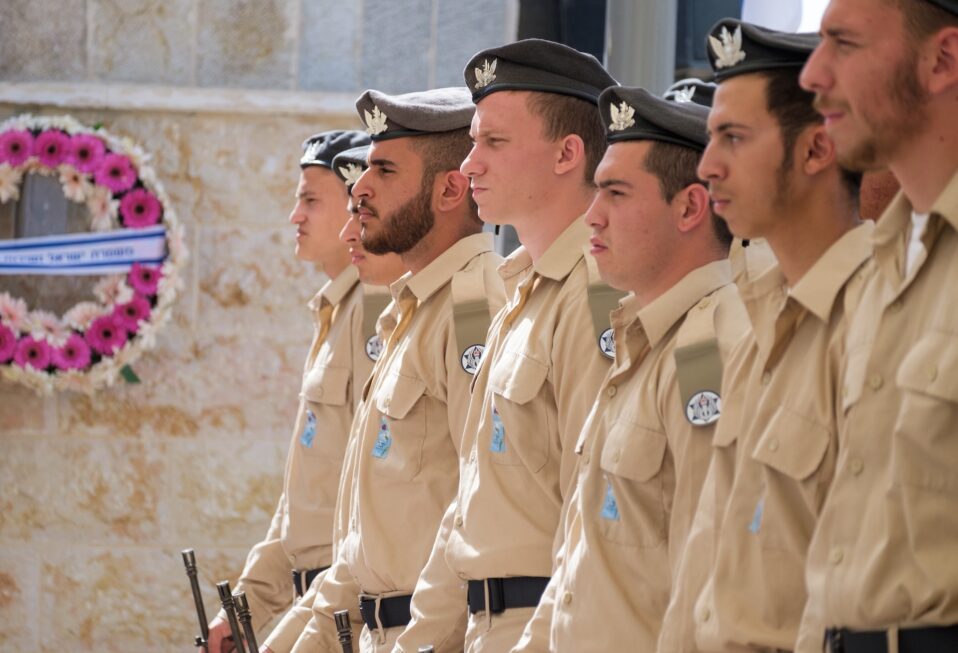
This ongoing struggle gives deeper meaning to Yom HaAtzma’ut, Israel’s Independence Day. Celebrated on the 5th of the Hebrew month of Iyar, it follows immediately after Yom HaZikaron, the nation’s Memorial Day. The transition from mourning to celebration reflects the reality that Israel’s independence has always been secured at great cost.
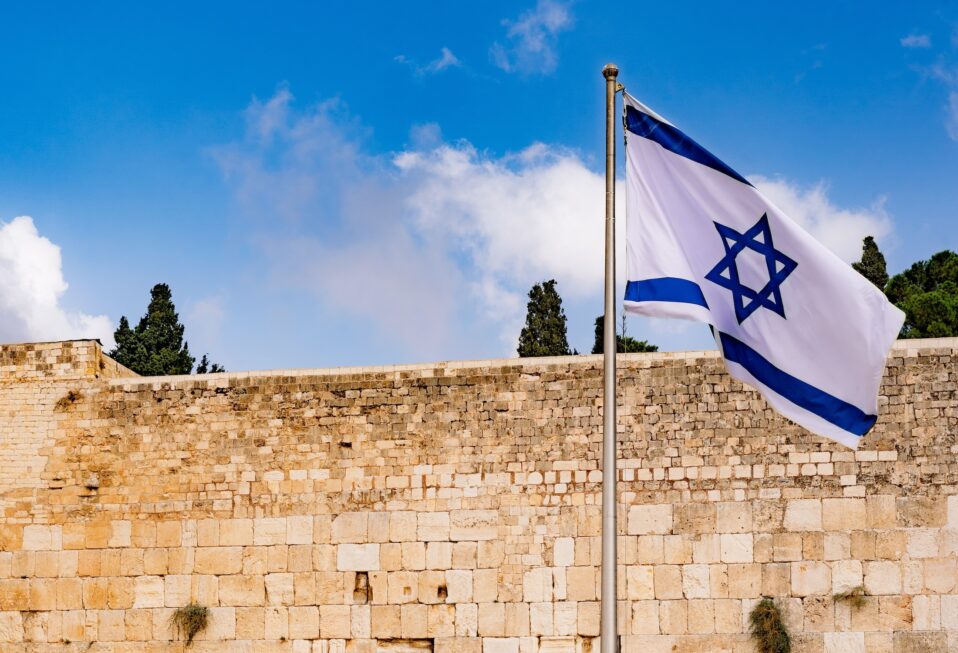
As evening falls, a national ceremony marks the shift. Flags are raised, torches are lit, and the tone moves from grief to gratitude. Across the country, people gather in streets and parks to celebrate with music, dancing, and community.
The next day, the skies fill with the roar of Israeli Air Force jets flying in formation, a powerful symbol of the nation’s ability to defend itself. Families gather for picnics and barbecues, known in Hebrew as mangal, celebrating life and freedom together.
At the close of the day, Israel honors its citizens by awarding the Israel Prize to individuals who have made outstanding contributions to society in fields such as science, culture, and the arts.
Yom HaAtzma’ut is more than a national holiday. It is a declaration that the Jewish people are no longer without a home or a voice. It is a testament to resilience in the face of war, loss, and ongoing threats.
In a time when Israel again finds itself defending its borders and its people on multiple fronts, Independence Day carries renewed significance. It is not only a celebration of what was achieved in 1948, but a recognition of what continues to be defended today.
Against all odds, Israel endures. And in that endurance, the hope first sung in that Tel Aviv hall still lives on.
Stephen Faircloth is the President of CBN Israel, an initiative dedicated to sharing the true story of the Jewish nation and inspiring a global community of Christians to stand with Israel and support her people in need. Our vision is to reshape the global conversation about Israel by fostering understanding, hope, and healing between Jews and Christians around the world. For more than 50 years, the Christian Broadcasting Network has supported Israel. By joining CBN Israel, you become part of this enduring legacy, transforming lives today and strengthening Christian support for Israel for generations to come.