

By Stephen Faircloth
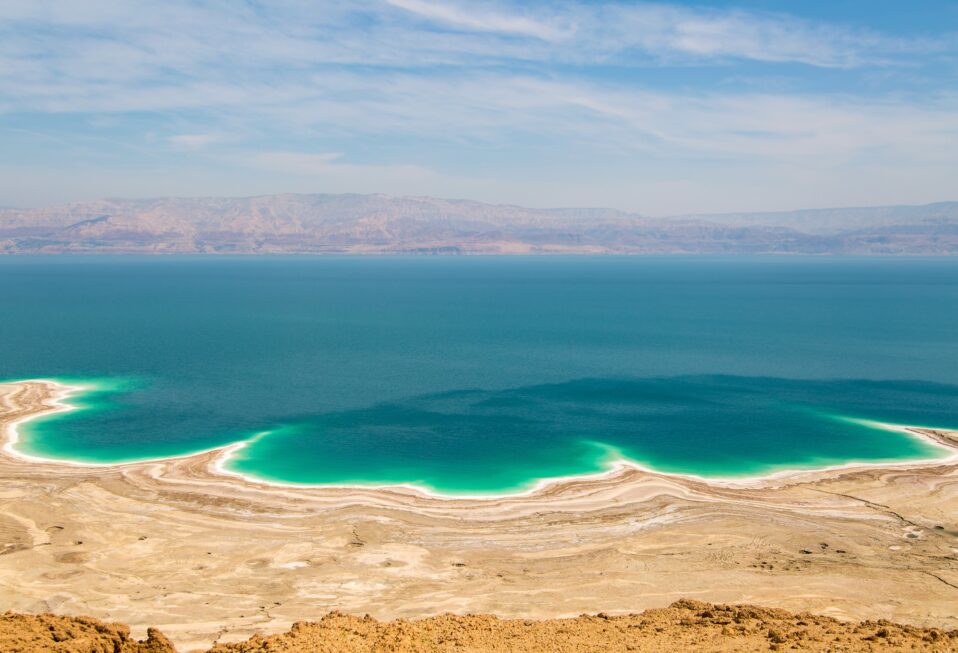
The Dead Sea is one of the most striking places in the land of Israel. Sitting more than 1,300 feet below sea level, it is the lowest point on earth. Fed by the Jordan River, its waters collect in a basin where nothing flows out. Under the heat of the desert sun, the water evaporates, leaving behind a heavy concentration of salt and minerals.
The Bible refers to it not as the Dead Sea, but as the Salt Sea or the Sea of the Arabah. These names reflect its defining characteristic. With salt levels far higher than any ocean, its waters cannot sustain normal life. Fish cannot survive there. Vegetation does not grow in its depths. It is a place marked by stillness and barrenness.
And yet, even here, life is not entirely absent.
Along its shores, fresh-water springs give rise to oases like En Gedi. In the midst of the harsh, dry landscape, palm trees grow, vegetation flourishes, and animals find refuge. Where fresh water touches the land, life appears. The contrast is powerful. Just steps away from lifeless waters, there is beauty and growth.
The Dead Sea also held value in the ancient world. Its salt was a precious resource, and bitumen rising to the surface was used for various purposes. Even in a place known for its barrenness, there was provision.
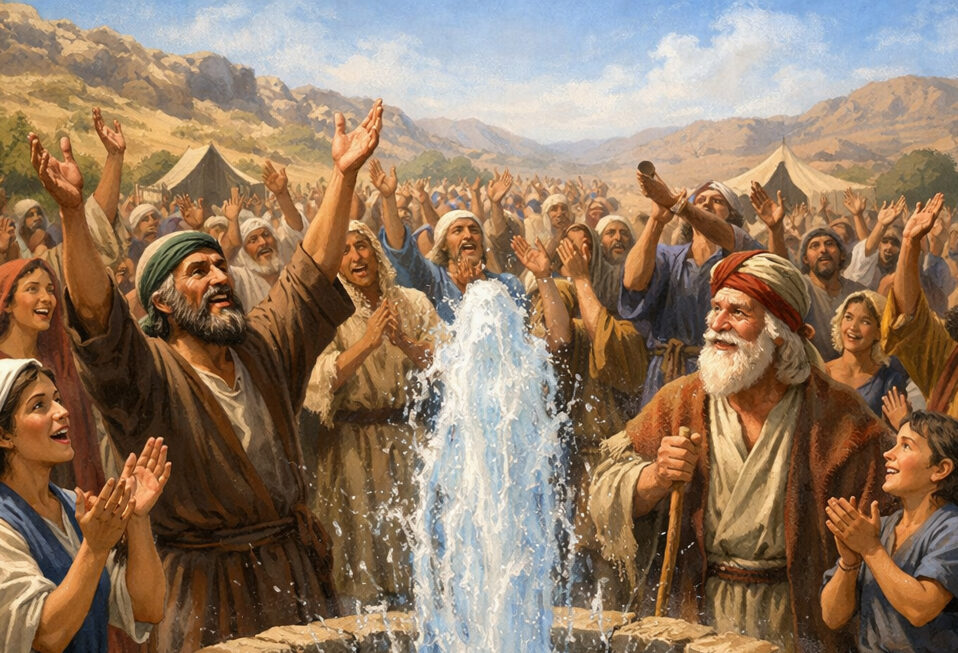
Scripture often uses this region as a picture. The surrounding wilderness, with its dry and desolate terrain, became a symbol of judgment, emptiness, and distance from God. Yet the prophets also spoke of transformation. Ezekiel envisioned a day when living water would flow, turning the salty sea fresh and bringing life where there had been none.
This is not just a vision of the land. It is a picture of what God does in our lives.
There are seasons when we feel like the Dead Sea. Dry. Stagnant. Overwhelmed by circumstances that seem to drain life rather than give it. We may feel as though nothing can grow; nothing can change.
But God specializes in bringing life to lifeless places.
Just as fresh water transforms the land around the Dead Sea, His presence brings renewal to our hearts. Where He flows, life follows. What seems beyond hope can be restored.
The Dead Sea reminds us that no place is too low, no condition too barren for God to work. Even in the lowest places, He is able to bring renewal and purpose.
The question is not whether God can bring life, but whether we will allow His living water to flow into the dry places of our lives.
Stephen Faircloth is the President of CBN Israel, an initiative dedicated to sharing the true story of the Jewish nation and inspiring a global community of Christians to stand with Israel and support her people in need. Our vision is to reshape the global conversation about Israel by fostering understanding, hope, and healing between Jews and Christians around the world. For more than 50 years, the Christian Broadcasting Network has supported Israel. By joining CBN Israel, you become part of this enduring legacy, transforming lives today and strengthening Christian support for Israel for generations to come.