

ARTICLES

Rediscovering the Wonder of God

“Oh LORD, our Lord, how majestic is Your name in all the earth! … When I consider Your heavens, the work of Your fingers, the moon and the stars, which You have set in place, what is mankind that You are mindful of them?” (Psalm 8:1, 3-4).

Life has a way of overwhelming us. The constant demands, the noise of daily responsibilities, and the weight of troubling news can leave us feeling exhausted and disconnected. It becomes easy to move from one moment to the next without ever pausing to reflect, to breathe, or to remember who God is.

Even in the ancient world, life was not easy. Survival required constant effort, and uncertainty was a daily reality. Yet in the middle of that struggle, the psalmist chose to stop. He lifted his eyes beyond his circumstances and allowed himself to be overwhelmed, not by fear or stress, but by the majesty of God.

As he looked at the heavens, the moon, and the stars, he saw more than beauty. He saw the handiwork of a Creator whose power and greatness stretched far beyond human understanding. And yet, in that same moment, he was struck by something even more profound: this great and majestic God cares for us. That realization creates awe.

True awe is more than a passing feeling. It is a moment when we step outside of ourselves and recognize the greatness of God. It reminds us that we are not at the center of everything, yet we are deeply known and cared for by the One who is.

We often use the word “awesome” casually, applying it to everyday experiences. But Scripture invites us into a deeper encounter. Awe is not something we manufacture. It is something we experience when we slow down enough to notice God.

When was the last time you truly paused? Not just a quick glance at the sky, but a moment to really look. To step away from distractions. To let your mind settle and your heart become aware of God’s presence. In those moments, perspective begins to shift. The pressures of life may not disappear, but they no longer define everything.

A renewed sense of awe reconnects us. It reminds us that God is greater than our circumstances, wiser than our questions, and more present than we often realize. It draws us out of numbness and into awareness. It restores a sense of wonder that can easily be lost in the routine of life. Creating space for awe is not a luxury. It is a necessity for the soul.

Take a moment today. Lift your eyes. Look at the world God has made. Let His creation remind you of His power, His care, and His nearness. Allow yourself to be still long enough to recognize His majesty. In that moment, you may find your heart renewed.

PRAYER

Father, open our eyes to see Your majesty in the world around us. Help us slow down and create space for awe. Remind us that You are greater than our circumstances and that You care for us deeply. Amen.

Read more

Shavuot and Pentecost: Covenant, Spirit, and Faith in a Time of Testing

By Stephen Faircloth

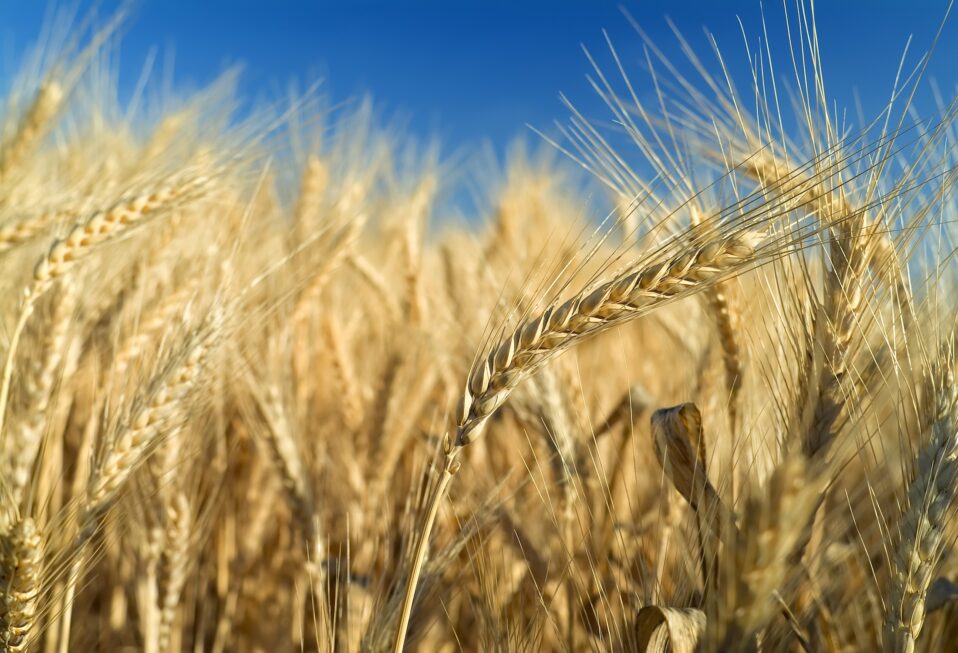
“And you shall observe the Festival of Weeks, of the firstfruits of wheat harvest, and the Feast of Ingathering at the year’s end” (Exodus 34:22).

“On the day of Pentecost all the believers were meeting together in one place…” (Acts 2:1-4).

Each year, fifty days after Passover, a remarkable convergence of meaning is celebrated by both Jewish and Christian communities. Known as Shavuot in Hebrew and Pentecost in Greek, this sacred time marks both the giving of God’s Law at Mount Sinai and, centuries later, the outpouring of the Holy Spirit in Jerusalem.

Shavuot, meaning “weeks,” commemorates the completion of the seven-week count from Passover. It is a celebration of firstfruits, gratitude, and covenant. Jewish tradition holds that it was on this very day that God gave Moses the Torah, including the Ten Commandments, establishing a foundational relationship between God and the people of Israel.

Many see this moment not only as a legal covenant but as something deeply personal. Some Jewish teachers describe the Torah as a kind of wedding covenant, symbolizing a bond between God and His people. The imagery echoes the words of Hosea, where God speaks of faithfulness, love, and a lasting relationship.

To this day, many Jewish communities mark Shavuot by staying up through the night studying Scripture, reflecting a sense of anticipation and devotion. In Israel, worshippers often walk to the Western Wall at dawn to pray, recalling the moment when the covenant was first received. The reading of the Ten Commandments and the Book of Ruth adds further depth, highlighting themes of loyalty, redemption, and belonging.

For Christians, this same festival carries an additional layer of meaning. The New Testament records that during Shavuot, Jews from across the world had gathered in Jerusalem, as commanded in the Torah. It was at this appointed time that the Holy Spirit was poured out on the followers of Jesus. What began at Sinai with the giving of the Law found new expression in the hearts of believers, as God’s Spirit empowered them to carry His message to the nations.

The parallels are striking. At Sinai, God revealed His will through written commandments. In Jerusalem, He wrote His truth on human hearts through the Spirit. Both moments speak of relationship, calling, and purpose.

Today, these themes resonate in a world marked by uncertainty and conflict. As Israel faces ongoing threats from Iran and its regional proxies, including Hezbollah and the Houthis, the message of Shavuot takes on renewed significance. Even in times of temporary ceasefire, the reality remains that forces still seek Israel’s destruction. In such a climate, the idea of covenant, divine faithfulness, and spiritual empowerment carries profound weight.

Shavuot reminds us that identity is not only shaped by external circumstances but by a deeper calling. The same God who established His covenant at Sinai and poured out His Spirit in Jerusalem remains present and faithful.

The festival is also marked by joy and community. Families gather, synagogues fill, and traditions are shared. One of the most beloved customs is the enjoyment of dairy foods, especially cheesecake, a simple yet meaningful reminder of the richness of the season.

Ultimately, Shavuot and Pentecost point to a story that continues to unfold. It is a story of covenant and calling, of revelation and renewal, and of a people who endure through both celebration and challenge.

In a time when the future can feel uncertain, this ancient feast stands as a testimony to faith that has sustained generations and continues to do so today.

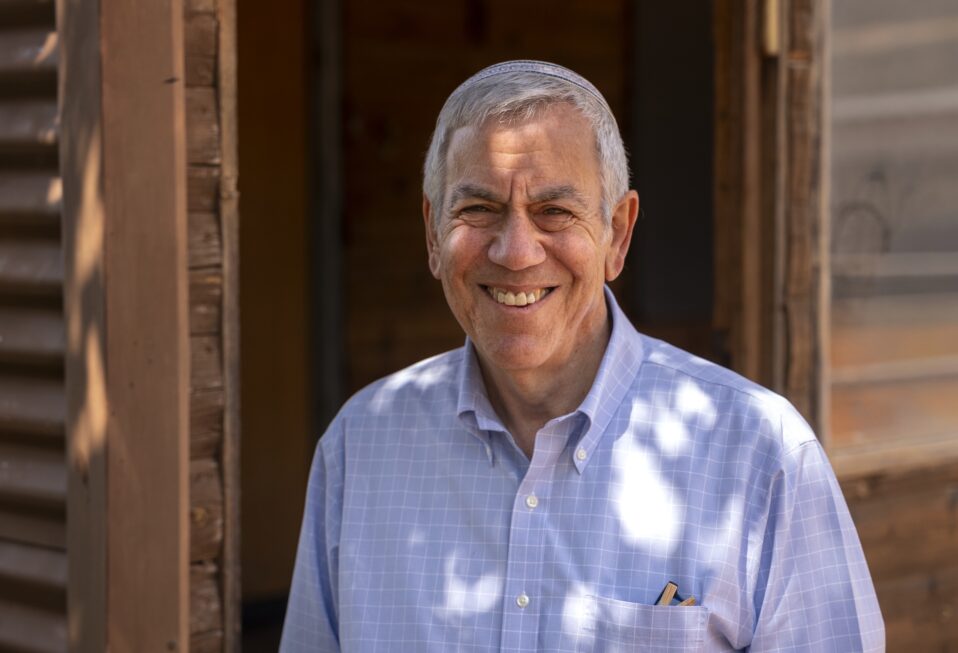
Stephen Faircloth is the President of CBN Israel, an initiative dedicated to sharing the true story of the Jewish nation and inspiring a global community of Christians to stand with Israel and support her people in need. Our vision is to reshape the global conversation about Israel by fostering understanding, hope, and healing between Jews and Christians around the world. For more than 50 years, the Christian Broadcasting Network has supported Israel. By joining CBN Israel, you become part of this enduring legacy, transforming lives today and strengthening Christian support for Israel for generations to come.

Read more