

By Arlene Bridges Samuels
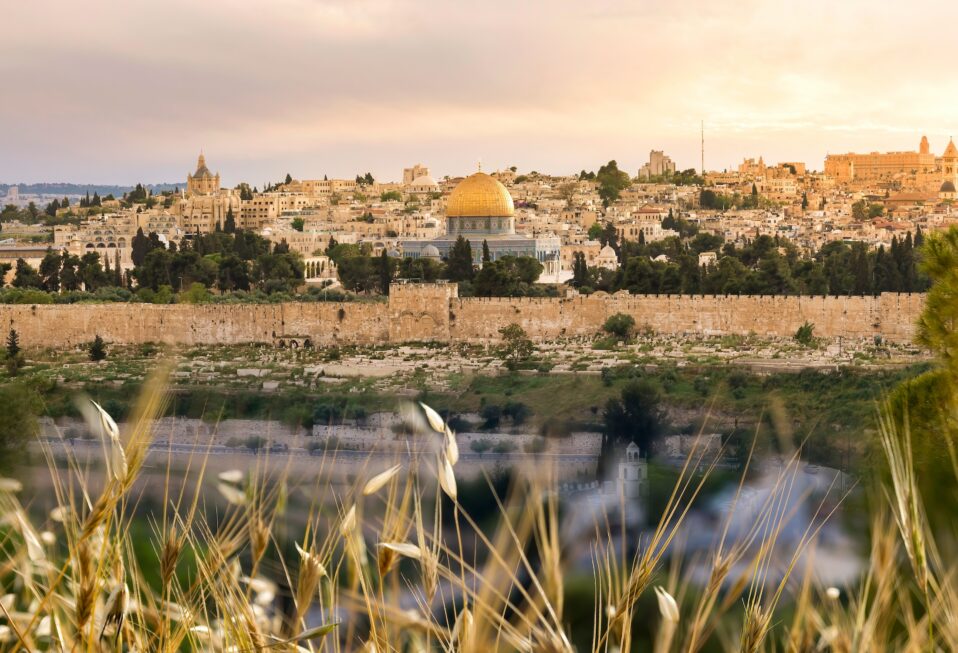
Shavuot is one of Judaism’s three major pilgrimage festivals, along with Passover and Sukkot, when the Israelites were commanded to journey to Jerusalem. This year, the two-day celebration begins at sundown on May 21 in Israel and in synagogues around the world.
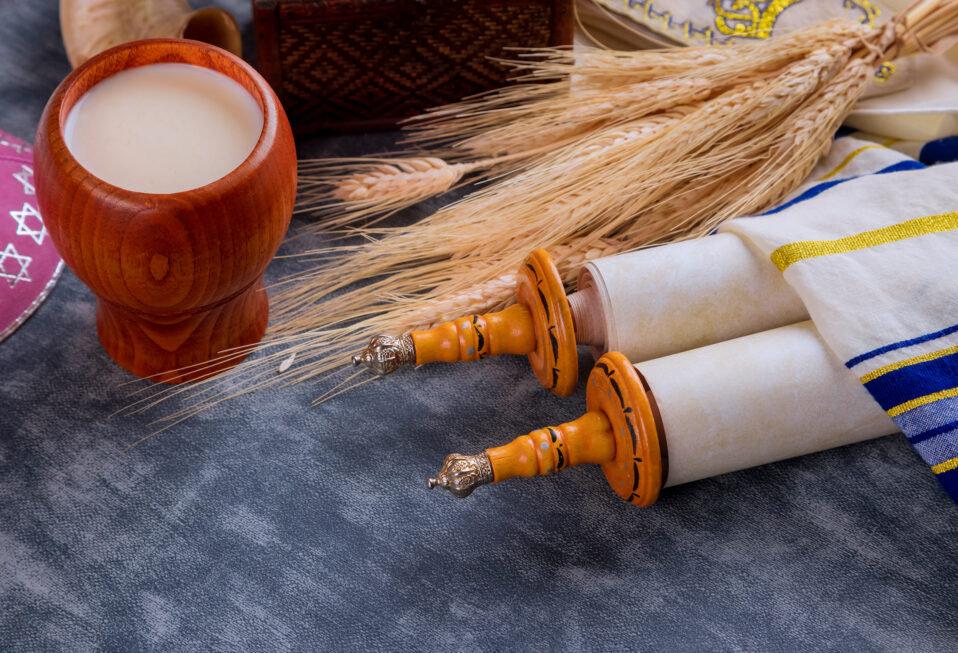
The word Shavuot means “weeks.” The festival arrives after a seven-week countdown that begins at Passover and culminates fifty days later with the Feast of Weeks, a joyful harvest celebration that also commemorates God giving the Torah and the Ten Commandments to Moses on Mount Sinai more than three thousand years ago. The counting of days creates a sense of expectation and spiritual preparation. Christians know this same season as Pentecost, which falls on May 24 this year.
Acts 2 records that approximately fifteen hundred years after the giving of the Torah, another historic event unfolded in Jerusalem during Shavuot. Fifty days after Jesus’ resurrection, the Holy Spirit descended in the Upper Room as Jewish worshippers from many nations filled the city for the festival. What began at Sinai with the written law expanded into a spiritual harvest as the Gospel began spreading outward from Jerusalem to the nations.
The timing is deeply significant. Jewish pilgrims from across the ancient world traveled to Jerusalem for Passover and often remained through the fifty-day count leading to Shavuot, also called Bikkurim, or First Fruits. First century historian Josephus estimated that millions filled Jerusalem during these festival seasons. Acts 2:9-11 lists many of the places represented among the worshippers, including regions that correspond to modern nations such as Iran, Iraq, Egypt, Libya, Turkey, Italy, Saudi Arabia, and Crete.
Whether people personally witnessed the events described in Acts or heard reports spreading rapidly through Jerusalem, the impact was extraordinary. Pilgrims eventually returned home carrying news of what had happened. In this way, the Gospel spread geographically through Jewish worshippers who became witnesses. The earliest believers, including the disciples and the Apostle Paul, were Jewish followers of Jesus. The Good News was born in the Holy Land and then opened outward to the Gentile world.
For thousands of years, Jewish festivals have tied generations together through remembrance, worship, and endurance. No matter where Jews lived or what hardships surrounded them, Shabbat and the biblical festivals remained central to Jewish identity.
That determination was vividly displayed again in 1948 during Israel’s War of Independence.
Only weeks after David Ben-Gurion proclaimed the establishment of the modern State of Israel on May 14, 1948, five Arab armies invaded the newborn nation. The Jewish population had barely emerged from the horrors of the Holocaust. Jerusalem faced severe food shortages. Weapons were scarce. Bombings and battles threatened civilians daily.
Yet even amid war, Israelis chose to keep Shavuot.
That year, Shavuot fell on June 12 and became the first major biblical festival celebrated once again in a restored Jewish homeland. The circumstances were overwhelming. The Israel Defense Forces had only just been formed. Electricity was intermittent. Food was rationed. Enemies surrounded the country.
Many wondered whether anyone would survive long enough to celebrate.
Still, communities across Israel refused to abandon the festival.
One kibbutz, Ein Harod, explained its decision simply: “It felt impossible to abandon this holiday. It is so deeply woven into our lives.”
Moshe Erem, a fighter from Kibbutz Beit Alfa near the Syrian border, wrote in his diary, “After night patrol, we danced the hora at dawn. The Syrians shelled the valley, but we danced anyway. This is our answer.”
At Kibbutz Yifat near Nazareth, children carried baskets to fathers and brothers guarding the perimeter. Some baskets held bread or eggs. One six-year-old girl quietly explained, “We brought fruit and bullets.”
David Ben-Gurion wrote in his diary, “Shavuot. The Cabinet met. We must ensure that the people celebrate, even as war rages.”
Golda Meir later reflected, “We had no milk or cheese, but we read the book of Ruth, a story of loyalty, like our soldiers’.”
In Letters from Jerusalem 1947-1948, underground fighter Zippy Porath described the arrival of desperately needed supplies during the siege: “A small convoy of jeeps bearing blessed arms, ammunition, and food came via the hills.” She added, “They’ve broken the siege and lifted our morale high.”
These moments reveal something profound about Israel’s history. Jewish festivals are not merely rituals or traditions. They are declarations of survival, identity, faith, and hope.
Today, wars and threats against Israel continue. Jewish communities worldwide still face rising hatred and violence. Yet Israel continues to observe Shabbat and celebrate the biblical festivals with determination and joy.
Christians may not fully understand God’s prophetic timetable, but Scripture reminds us of His enduring covenant. Zechariah 2:8 declares, “For whoever touches you touches the apple of His eye.” In Hebrew thought, the phrase refers to the pupil of the eye, the most sensitive and fiercely protected part of the body. The image reflects God’s vigilant care over His people.
As Shavuot approaches, let us honor God by standing with Israel in meaningful ways and by recognizing the extraordinary endurance of the Jewish people across generations.
Our CBN Israel team invites you to pray with us this week.
Prayer Points:
- Pray with gratitude for Israel’s endurance and resilience through every generation.
- Pray that Shavuot 2026 will be filled with encouragement, protection, and miracles for Israel.
- Pray for wisdom for President Trump and Prime Minister Netanyahu as they make critical decisions.
- Pray for the safety and freedom of the Iranian people who continue to suffer under oppression.