



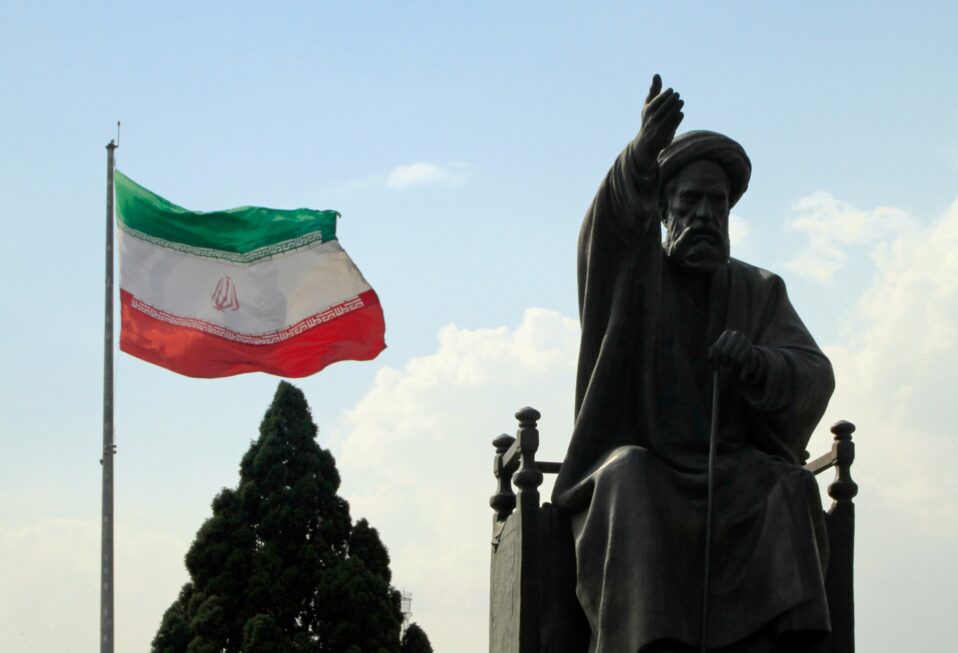
For nearly half a century, the people of Iran have lived under a theocratic regime that has brought increasing hardship to its own citizens while pouring enormous resources into terrorism, proxy wars, and military ambitions abroad.
Today, ordinary Iranians are courageously speaking out. Their stories provide a sobering glimpse into daily life under the Islamic Regime and remind the world that its greatest victims are often the Iranian people themselves.
Meanwhile, Israel continues fighting an existential war to protect its diverse population, including Jews, Israeli Arabs, Druze, Bedouins, Ethiopians, Christians, and many others. The contrast could hardly be greater. While Israel defends the freedoms of its citizens, Iran’s rulers continue tightening their grip on a nation desperate for relief.
The voices emerging from Iran should not be ignored. They are a call for people of goodwill to pray, remain informed, and stand against tyranny. This summer, millions of Iranians have endured widespread power outages and severe water shortages.
In Khuzestan Province, where temperatures regularly soar above 120 degrees Fahrenheit, residents report recurring power outages lasting two hours or more during the most dangerous hours of the day. In Islamshahr, outside Tehran, electricity has reportedly been unavailable for as long as four hours at a time. Residents of Ilam Province warn that continued blackouts could spark widespread protests.
In the city of Pardis, elevators in high-rise apartment buildings stop functioning whenever electricity fails. One frustrated resident asked, “How are we supposed to climb all these stairs?”
For elderly citizens and people living with disabilities, the hardships are especially severe.
One Iranian expressed a fear shared by many: “We are more afraid of the regime staying.”
Another citizen observed that prolonged power outages place countless lives at risk because patients who depend on ventilators or refrigerated medications have no reliable backup. As one student explained: “Ask the patients who rely on ventilators in their homes or those storing vital medicines in refrigerators. For them, a power cut isn’t a delayed exam. It’s a matter of life or death.”
Iran’s water crisis is equally alarming. Following the country’s worst drought in four decades, reservoirs remain dangerously depleted. Last year, TIME described Iran’s growing water shortage as one of the nation’s greatest long-term threats, and conditions remain dire.
Families in communities such as Boumehen report receiving running water only two days each week, even while caring for seriously ill relatives. Residents of Shahriar and Qods have pleaded with authorities, reminding them that “water is a basic necessity, not a luxury.”
Approximately 10,000 people across twenty villages in southern Iran have reportedly lost access to reliable water supplies following damage to the Bunji desalination pumping facility and its supporting electrical infrastructure. Aging transmission systems, deteriorating facilities, years of underinvestment, and poor government management have only intensified the crisis.
Iran’s state-controlled media has blamed the United States for the damage to the Bunji facility, describing it as a terrorist attack. Those claims, however, have not been independently verified by Western or neutral sources.
Whatever the immediate cause, the broader reality is unmistakable. Years of economic mismanagement, corruption, and misplaced national priorities have left millions of ordinary Iranians struggling to meet basic needs.
Food shortages have added another painful burden. Residents in Zahedan describe staple foods becoming increasingly unaffordable. Rice, cooking oil, eggs, and other necessities continue rising in price, leaving many families uncertain how they will provide their next meal.
One resident lamented, “We go to sleep and wake up to everything being twice as expensive.”
Iran’s dependence on imported food makes these challenges even more precarious. The country imports approximately 77 percent of its rice, 89 percent of its corn, 95 percent of its soybeans, and 91 percent of its vegetable oils. Any disruption to regional shipping routes, including the Strait of Hormuz, places additional pressure on an already fragile food supply.
Secretary of State Marco Rubio recently observed, “Imagine if Iran had spent its wealth, billions of dollars, helping the people of Iran instead of funding terrorists and building weapons.”
Former Israeli Ambassador Michael Oren has likewise warned against trusting the regime’s repeated promises.
“We have decades of evidence showing that the regime lies, cheats, and deceives and will not abide by any agreement,” he explained. “The United States and Israel cannot base their security on promises from Tehran.”
He added that Iran’s leaders often view agreements as tactical pauses rather than lasting commitments. Marziyeh Amirizadeh understands this reality firsthand. A Christian imprisoned under Iran’s Islamic Regime before eventually finding refuge in the United States, she warns that the regime “does not negotiate in good faith. It negotiates for survival.”
Yet she also offers an important reminder. The Iranian people are not their government. She has repeatedly emphasized that many Iranians admire Israel and long for peace, even as tens of thousands have suffered imprisonment, persecution, or death under the regime during the past forty-seven years.
As followers of Jesus, how should we respond? Scripture calls us not only to recognize suffering but also to act with compassion. Proverbs 24:11-12 reminds us: “Rescue those being led away to death; hold back those staggering toward slaughter. If you say, ‘But we knew nothing about this,’ does not He who weighs the heart perceive it?” Prayer and action belong together.
We can pray faithfully for the Iranian people, seek truth from reliable sources, reject misinformation, and share accurate information that exposes oppression while pointing to hope.
Above all, we can pray that millions more Iranians will encounter Jesus Christ, whose truth alone brings lasting freedom.
Our CBN Israel team welcomes you to join us in prayer this week.
Prayer Points
- Pray for the defeat of the Islamic Regime and for freedom, justice, and hope for the Iranian people.
- Pray that millions of Iranians will encounter Jesus Christ and find lasting peace through Him.
- Pray that the Strait of Hormuz will remain open and secure for international commerce.
- Pray for the protection, wisdom, and success of American and Israeli military personnel serving during this critical time.
Arlene Bridges Samuels is the weekly feature columnist for CBN Israel since 2020. Working on the staff of the American Israel Public Affairs Committee (AIPAC) as their SE Regional Outreach Director for nine years, International Christian Embassy Jerusalem USA engaged her as the Leadership Outreach Director part-time for their project American Christian Leaders for Israel (ACLI). Arlene is an author at The Blogs-Times of Israel, is published at AllIsrael.com and The Jerusalem Connection. Her devotionals and articles also appear on her Substack, The Eclectic Evangelical. She serves on the Advisory Board of NewPersia.org and on the advisory committee of RootAndBranchIsrael.com. Having traveled to Israel regularly since 1990, Arlene participates in Israel’s Government Press Office Christian Media Summits alongside members of Christian media from around the world. In 2024, Arlene and her husband Paul co-authored Mental Health Meltdown: Illuminating the Voices of Bipolar and Other Mental Illnesses. In May 2026, The White Rose Society honored Arlene as a non-Jewish individual who stands with the Jewish people.





Post a comment