



By Stephen Faircloth
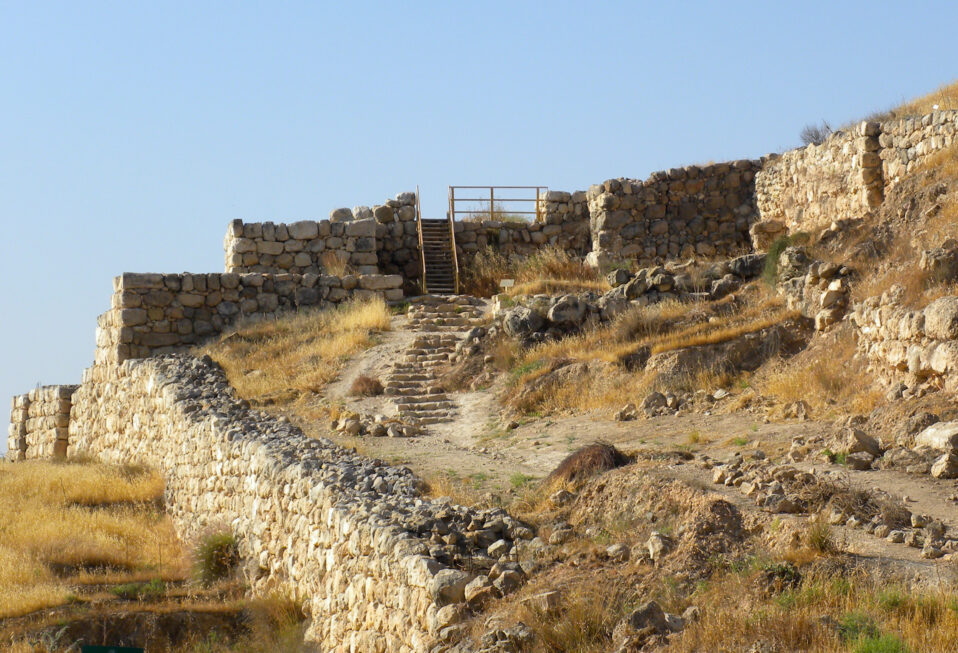
Set in the hills of the Judean lowlands, Lachish once stood as one of the strongest cities in the kingdom of Judah. Its position in the fertile Shephelah gave it both beauty and strategic importance, connecting the hill country near Hebron to the coastal plain toward Ashkelon. With its steady water supply and rich farmland, Lachish became known for its prosperity and thriving vineyards.
Archaeologists have discovered twenty layers of settlement at Lachish, showing that it was inhabited for thousands of years. It was a large, fortified city, mentioned as early as the eighteenth century B.C., long before it became part of Judah. Its location made it a key defensive and administrative center, second only to Jerusalem in importance.
The Bible tells us that King Amaziah fled to Lachish after a revolt in Jerusalem, but his pursuers found him there and killed him (2 Kings 14:19). Later, during the reign of King Hezekiah, the city faced its greatest trial. In 701 B.C., the Assyrian king Sennacherib invaded Judah and laid siege to Lachish. Excavations show how the Assyrian army built a massive ramp of earth and stone to breach the city walls. Hundreds of arrowheads and sling stones have been found at the site, silent reminders of the fierce battle that took place.
Sennacherib recorded his victory on large stone panels that decorated his palace in Nineveh. These carvings depict the siege of Lachish with vivid detail: archers firing, battering rams advancing, and captives being led away. Yet despite this devastating loss, Jerusalem itself was spared by the hand of God (2 Kings 19:35-36).
Lachish was rebuilt after the Assyrian attack but fell again during the Babylonian invasion in the sixth century B.C. The prophet Jeremiah mentions Lachish as one of the final cities standing before Jerusalem’s fall (Jeremiah 34:7). Among the ruins, archaeologists discovered pottery shards known as the Lachish Letters, urgent messages written by soldiers as the Babylonian forces drew near. One message notes that the signal fires of nearby Azekah had gone dark, a chilling sign that the enemy was approaching.
Excavations also revealed many large storage jars stamped with the Hebrew word lemelek, meaning “belonging to the king.” These jars, used to store supplies for the royal administration, show that Lachish was a center of wealth and leadership in Judah’s kingdom.
The story of Lachish reminds us that even the strongest walls can fall. True security is not found in fortifications, wealth, or human strength but in the Lord who protects His people. Lachish stood tall in its day, but its ruins still speak, calling us to place our trust not in what we build, but in the One who cannot be shaken.
Where are you placing your confidence today? In your own strength, plans, or possessions? Or in God, who is your true refuge and defender?
Stephen Faircloth is the President of CBN Israel, an initiative dedicated to sharing the true story of the Jewish nation and inspiring a global community of Christians to stand with Israel and support her people in need. Our vision is to reshape the global conversation about Israel by fostering understanding, hope, and healing between Jews and Christians around the world. For more than 50 years, the Christian Broadcasting Network has supported Israel. By joining CBN Israel, you become part of this enduring legacy, transforming lives today and strengthening Christian support for Israel for generations to come.





Post a comment