


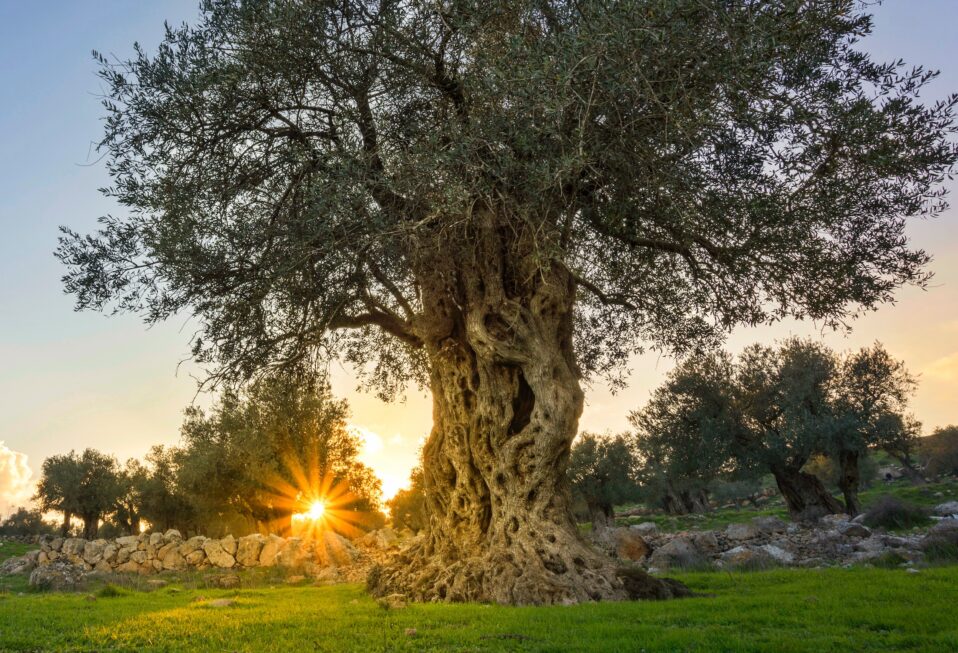
In November 2024, a one-of-a-kind story unfolded along the Gaza border during the first tour of Root & Branch. As you may recall, this amazing humanitarian organization has as its goal the promotion of Christian-Jewish unity, offering trips for Christians to harvest olives in Israel with Jewish people—and exemplify the ancient connection between Christians and Jews.
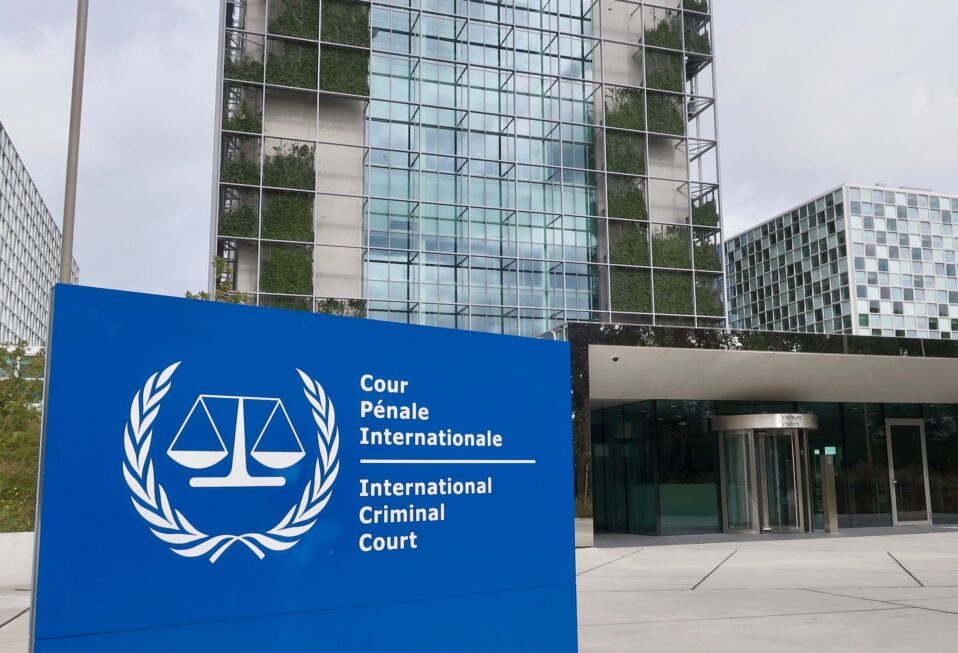
Why America and Israel Reject the International Criminal Court
In an era of intense political division, agreement between Republican and Democratic administrations can seem almost miraculous. Yet four successive American presidents have shared serious concerns about the International Criminal Court.
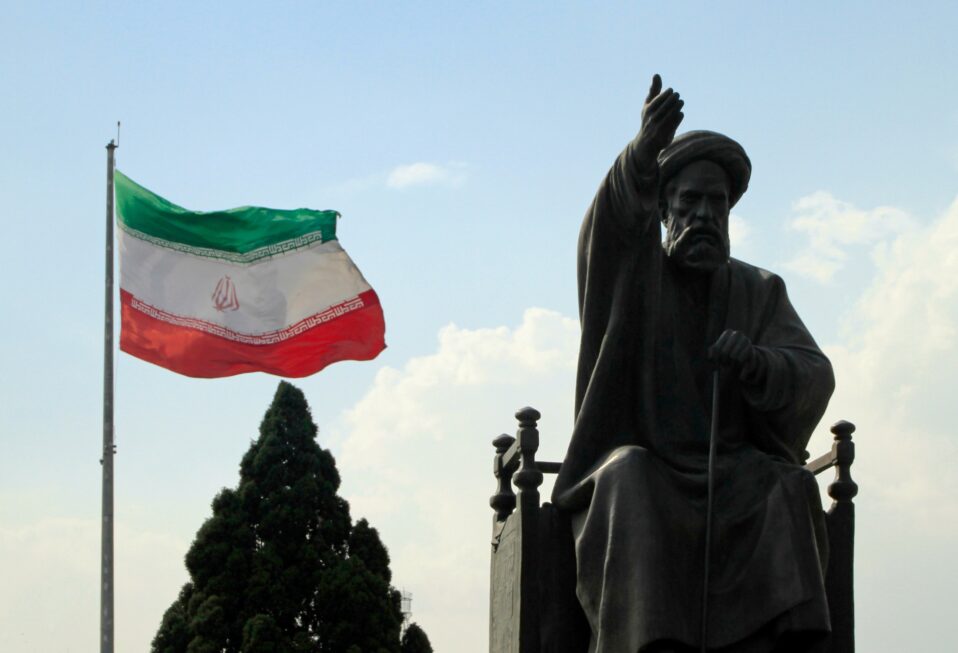
Voices of Iran: Heartbreaking Examples of Life Under Tyranny
For nearly half a century, the people of Iran have lived under a theocratic regime that has brought increasing hardship to its own citizens while pouring enormous resources into terrorism, proxy wars, and military ambitions abroad. Today, ordinary Iranians are courageously speaking out. Their stories provide a sobering glimpse into daily life under the Islamic Regime and remind the world that its greatest victims are often the Iranian people themselves. Meanwhile, Israel continues fighting an existential war to protect its diverse population, including Jews, Israeli Arabs, Druze, Bedouins, Ethiopians, Christians, and many others. The contrast could hardly be greater. While Israel defends the freedoms of its citizens, Iran’s rulers continue tightening their grip on a nation desperate for relief. The voices emerging from Iran should not be ignored. They are a call for people of goodwill to pray, remain informed, and stand against tyranny. This summer, millions of Iranians have endured widespread power outages and severe water shortages. In Khuzestan Province, where temperatures regularly soar above 120 degrees Fahrenheit, residents report recurring power outages lasting two hours or more during the most dangerous hours of the day. In Islamshahr, outside Tehran, electricity has reportedly been unavailable for as long as four hours at a time. Residents of Ilam Province warn that continued blackouts could spark widespread protests. In the city of Pardis, elevators in high-rise apartment buildings stop functioning whenever electricity fails. One frustrated resident asked, “How are we supposed to climb all these stairs?” For elderly citizens and people living with disabilities, the hardships are especially severe. One Iranian expressed a fear shared by many: “We are more afraid of the regime staying.” Another citizen observed that prolonged power outages place countless lives at risk because patients who depend on ventilators or refrigerated medications have no reliable backup. As one student explained: “Ask the patients who rely on ventilators in their homes or those storing vital medicines in refrigerators. For them, a power cut isn’t a delayed exam. It’s a matter of life or death.” Iran’s water crisis is equally alarming. Following the country’s worst drought in four decades, reservoirs remain dangerously depleted. Last year, TIME described Iran’s growing water shortage as one of the nation’s greatest long-term threats, and conditions remain dire. Families in communities such as Boumehen report receiving running water only two days each week, even while caring for seriously ill relatives. Residents of Shahriar and Qods have pleaded with authorities, reminding them that “water is a basic necessity, not a luxury.” Approximately 10,000 people across twenty villages in southern Iran have reportedly lost access to reliable water supplies following damage to the Bunji desalination pumping facility and its supporting electrical infrastructure. Aging transmission systems, deteriorating facilities, years of underinvestment, and poor government management have only intensified the crisis. Iran’s state-controlled media has blamed the United States for the damage to the Bunji facility, describing it as a terrorist attack. Those claims, however, have not been independently verified by Western or neutral sources. Whatever the immediate cause, the broader reality is unmistakable. Years of economic mismanagement, corruption, and misplaced national priorities have left millions of ordinary Iranians
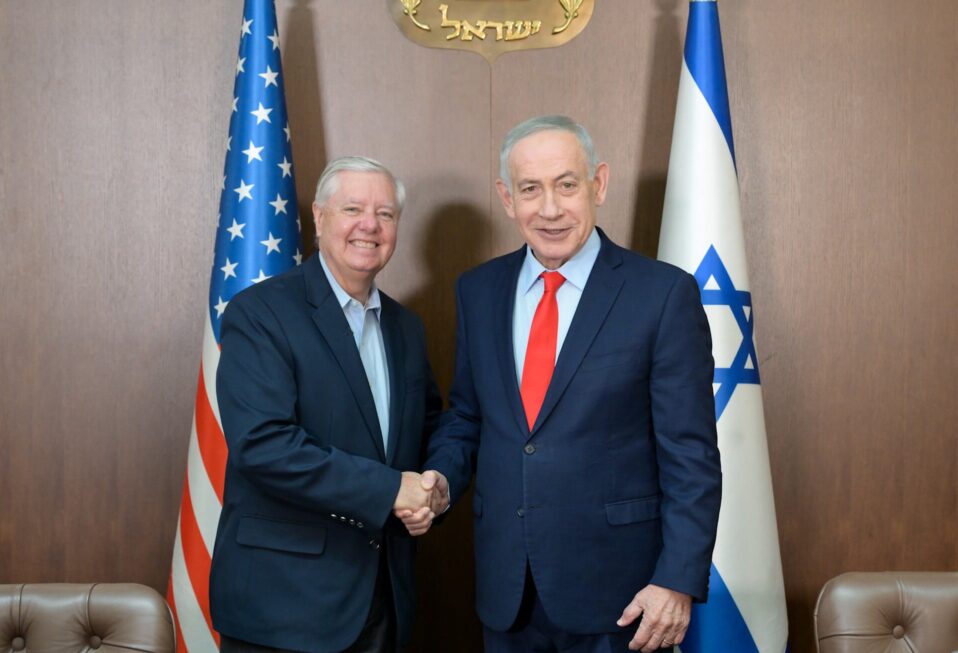
While I Breathe, I Hope: Remembering Senator Lindsey Graham
By Arlene Bridges Samuels The sudden homegoing of Senator Lindsey Graham on July 11, 2026, has prompted an outpouring of heartfelt tributes from across America and around the world. Leaders, colleagues, and ordinary citizens are remembering a man whose life reflected the enduring motto of his beloved South Carolina: “While I Breathe, I Hope.” That hope was not merely a slogan. It was the defining theme of Graham’s life. While attending the University of South Carolina, Graham experienced unimaginable loss when both of his parents died within a short period of time. His younger sister, Darline, was only twelve years old. After graduating from law school, he joined the U.S. Air Force and became her legal guardian, assuming the responsibilities of both brother and parent. That decision revealed the character that would define his life: faithfulness, sacrifice, and an unwavering commitment to others. As a native South Carolinian who lived in the Palmetto State on and off for forty years, I am still processing the shock of his passing. Like so many others, I have admired his remarkable journey from personal tragedy to a lifetime of public service. Graham’s career reflected both his love for his country and his determination to defend it. He served in the U.S. Air Force Judge Advocate General’s Corps, the South Carolina Air National Guard, and the Air Force Reserve, retiring as a Colonel after eighteen years of military service. He later served in the South Carolina House of Representatives before representing the state’s Third Congressional District in the U.S. House of Representatives. In 2003, he was elected to the United States Senate, where he would serve for more than two decades. His intelligence, wit, humility, and command of complex policy issues earned the respect of colleagues on both sides of the aisle. Throughout his career, Graham became one of America’s most influential voices on national security, foreign policy, judicial affairs, support for Israel, and the protection of unborn life. Even during his final days, he remained fully engaged in public service. Just before his passing, Senator Graham traveled to Ukraine, where leaders expressed deep appreciation for his steadfast advocacy. While there, he celebrated his seventy-first birthday and announced an agreement with the White House on new sanctions against Russia backed by President Trump. After returning to Washington, D.C., he spoke with the President before passing away later that night. In the days that followed, members of both political parties rallied behind the bipartisan Sanctioning Russia Act, viewing its passage as one way to honor his enduring legacy. Yet Graham’s influence reached far beyond a single piece of legislation. His public life consistently reflected South Carolina’s motto by offering hope through principled leadership. He stood firmly with the world’s only Jewish state, opposed Iran’s pursuit of nuclear weapons, advocated for the freedom of the Iranian people, defended unborn children, and championed the rights of the Catawba Indian Nation. Whether addressing international crises or serving constituents at home, he sought to strengthen the principles of freedom, justice, and human dignity. I had the privilege of witnessing part of that legacy firsthand. From 2007 until my retirement in 2016,
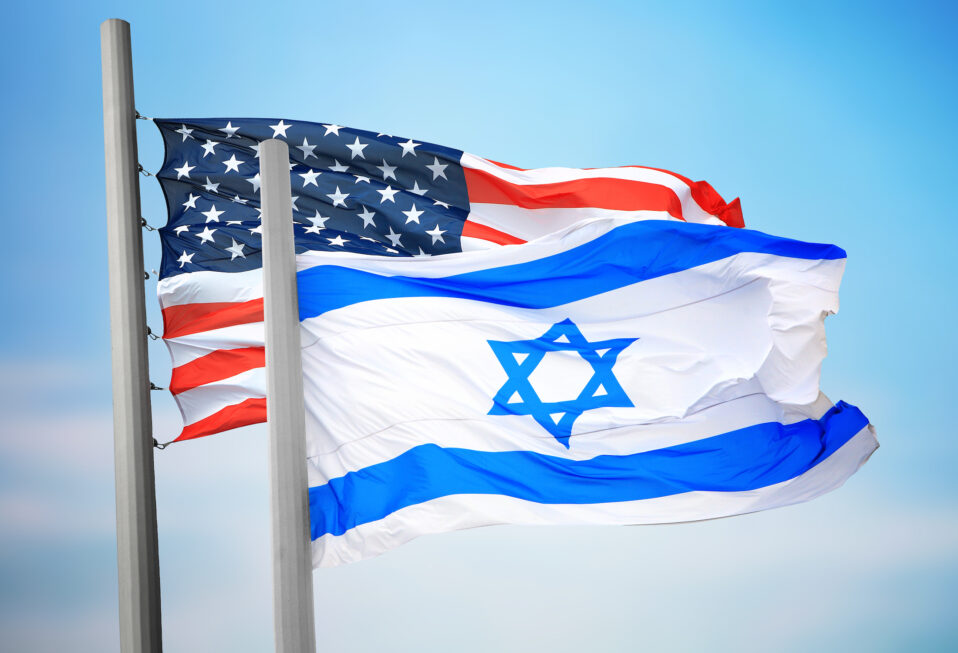
Freedom on Display: America, Israel, and the World Cup
A world of striking contrasts unfolds before us every day. Through instant global news and social media, people witness both inspiring acts of freedom and troubling ideologies almost simultaneously. As millions of international visitors experience the United States during the FIFA World Cup and America 250 celebrations, they are discovering a nation that often looks very different from the one portrayed in much of today’s media.
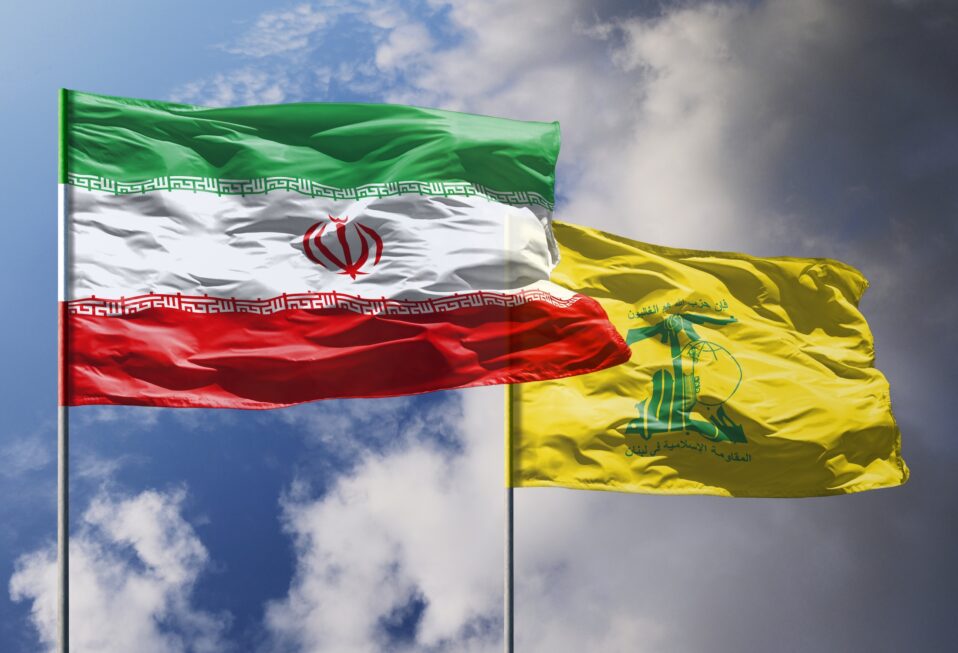
Time to Shatter Hezbollah: Iran’s Crown Jewel of Terror
The Israel Defense Forces recently uncovered a fortress-like underground complex beneath the streets of southern Lebanon containing eight tons of explosives, fifty drones capable of flying 150 miles, and facilities designed to house hundreds of terrorists. Hidden from view for years, it functioned as a subterranean drone airport where Hezbollah pilots

Casting Light and Healing on Israel’s Wartime Trauma
Trauma is a word we hear often in today’s world. It describes distress, pain, shock, and suffering caused by countless circumstances. Yet war produces unique layers of trauma that affect the mind, body, and spirit.
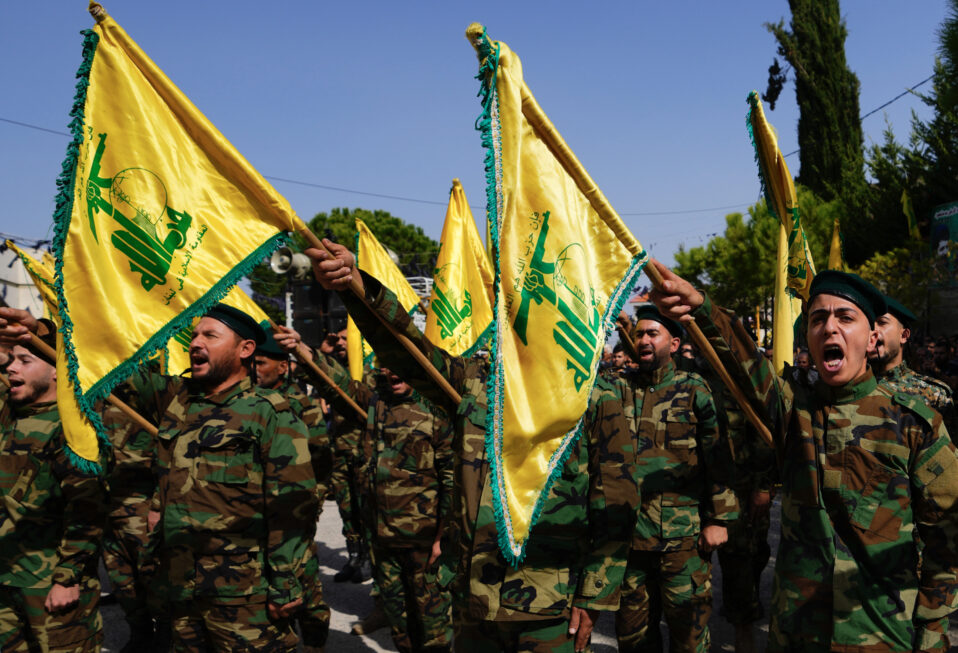
Hezbollah’s War on Civilians: Lebanese Christians and Israeli Jews Under Fire
President Trump declared on Monday that “the deal with the Islamic Republic of Iran is now complete. Congratulations to all!” While Islamist leaders may celebrate what they view as a diplomatic victory, Christians in Lebanon, Jews in northern Israel, and millions of ordinary Iranian citizens are not celebrating. They are bracing themselves.
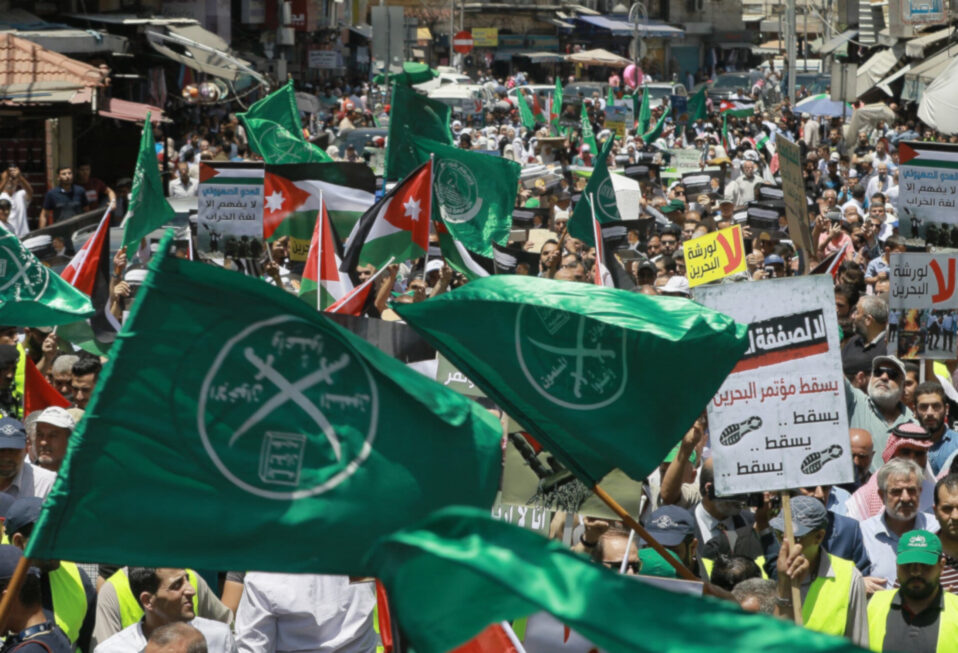
Brotherhood: Discernment in an Age of Deception
The word “brotherhood” often reflects fellowship, loyalty, and shared purpose among men united by common goals, beliefs, or professions. In Christian communities, these can be constructive and welcome concepts. However, a dangerous version of brotherhood aimed at destructive goals has become deeply entrenched in the United States. It is the Muslim Brotherhood.
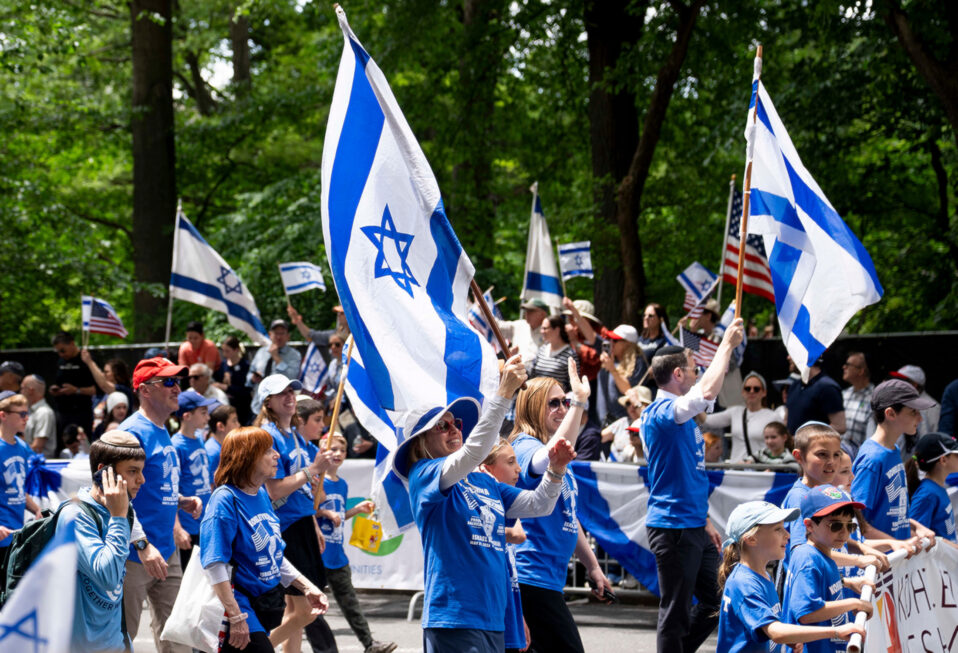
Judeo‑Christian Civilization: A Vital Defense Against Rising Antisemitism
Although antisemitism has reached alarming levels around the world, Judeo-Christian alliances continue to grow in strength and purpose. On the eve of the anniversary of the 1967 Six-Day War,