ARTICLES

Weekly Devotional: Little Is Much

And again He said, “To what shall I liken the kingdom of God? It is like leaven, which a woman took and hid in three measures of meal till it was all leavened” (Luke 13:20-21 NKJV). 

A little leaven can leaven a larger amount of dough. Why did Jesus use this particular image to speak about the kingdom of Heaven?

Jesus told parables to help His audience understand His message. Because the world of the parables is not ours, we often miss His simple yet profound point. For Jesus, like His Jewish contemporaries, the kingdom of Heaven referred to God’s rule or reign. God rules and reigns wherever His people do His will: “Your kingdom come. Your will be done on earth as it is in heaven” (Matthew 6:10 NKJV). 

Jesus, however, used the kingdom of Heaven to refer to His movement, which He understood as part of God’s redemption that was breaking forth. He expected His followers to exemplify obedience and devotion to God, but He continually spoke about people entering the kingdom.

For Him, one entered the kingdom of Heaven through acts of charity and compassion. He described the kingdom as a treasure in a field—when one finds a thing of such value, he goes and sells all he has to buy the field. He gives everything to acquire it—just as Jesus instructed the rich ruler to do.

So, what’s the connection with leaven? A little has a great impact. It’s easy for us to look down on small acts of kindness and compassion. We figure: Oh, that doesn’t matter much. 

Jesus confronted such limited thinking and conveyed to His followers that little acts of charity and mercy had an ability to dynamically impact the world in which they lived. Those loving acts unleashed God’s redemptive power. So, do not undervalue them or think lightly of them.

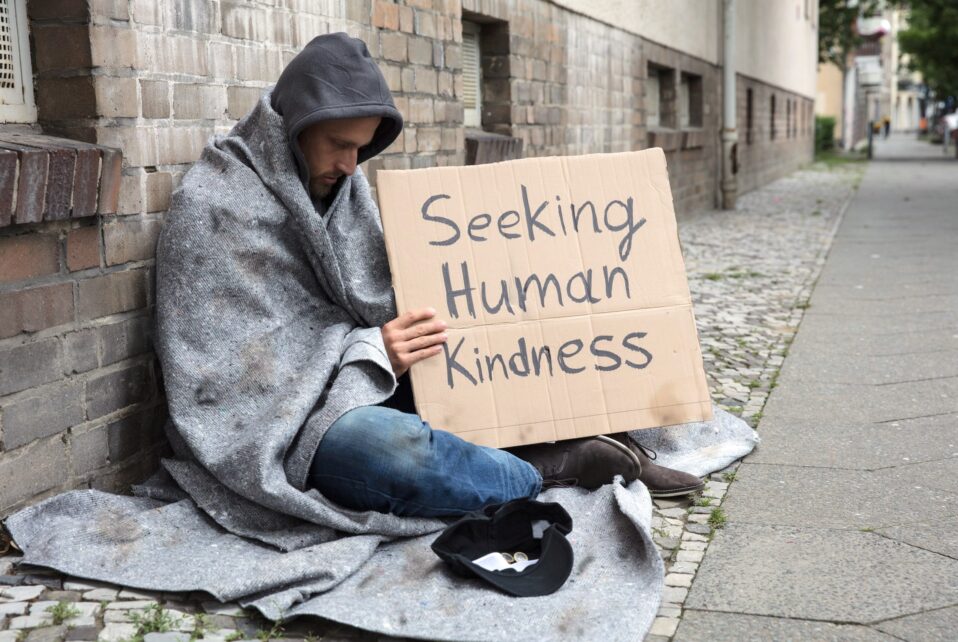
We often think that the big things for God matter most, but Jesus didn’t see it that way. Our little acts of charity and compassion provide the opportunity for God to enter situations and people’s lives; moreover, in as much as we do to the least of these—the poor and naked, the homeless, the sick, those in prison—we do that unto the Lord.

Do we look for opportunities to introduce God into the world around us through small acts of love, mercy, and kindness?

Do we believe that these little acts can take part in God’s redemptive plan? What would happen if each of us sought to bring more of His reign and rule to our broken and hurting world through acts of charity and compassion? How different would our world look?

PRAYER

Father, may we never despise the little things that we can do in the lives of others. May we be faithful and choose daily to take part in releasing Your redemptive power into our world. Amen.

Read more

Read more

Answering the Cry of the Hungry

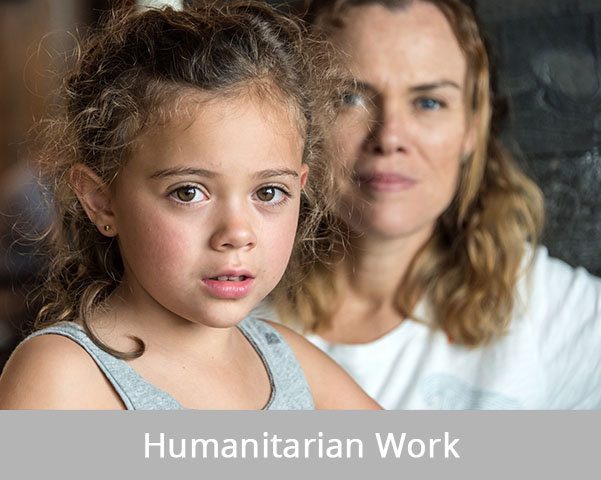
Before the war with Iran and its terror proxies in the region, more than 20 percent of Israelis lived below the poverty line. Since then, that number has more than doubled as families have been pushed into financial crisis.

Today, thousands of citizens remain displaced across Israel. Many have lost jobs or been forced to close their businesses. Some are living in temporary shelters without a way to cook a hot meal, while others struggle daily against rising prices that make survival even harder. Local charities now report a 60 percent increase in families asking for help since October 7.

The need is staggering. According to Israel’s 2024 Alternative Poverty Report, more than 22 percent of families now live in poverty and nearly 40 percent of them are children. Over 10 percent of households face severe food insecurity, not knowing where their next meal will come from. And during holidays, when families should be celebrating around a full table, many experience the pain of empty cupboards and loneliness instead.

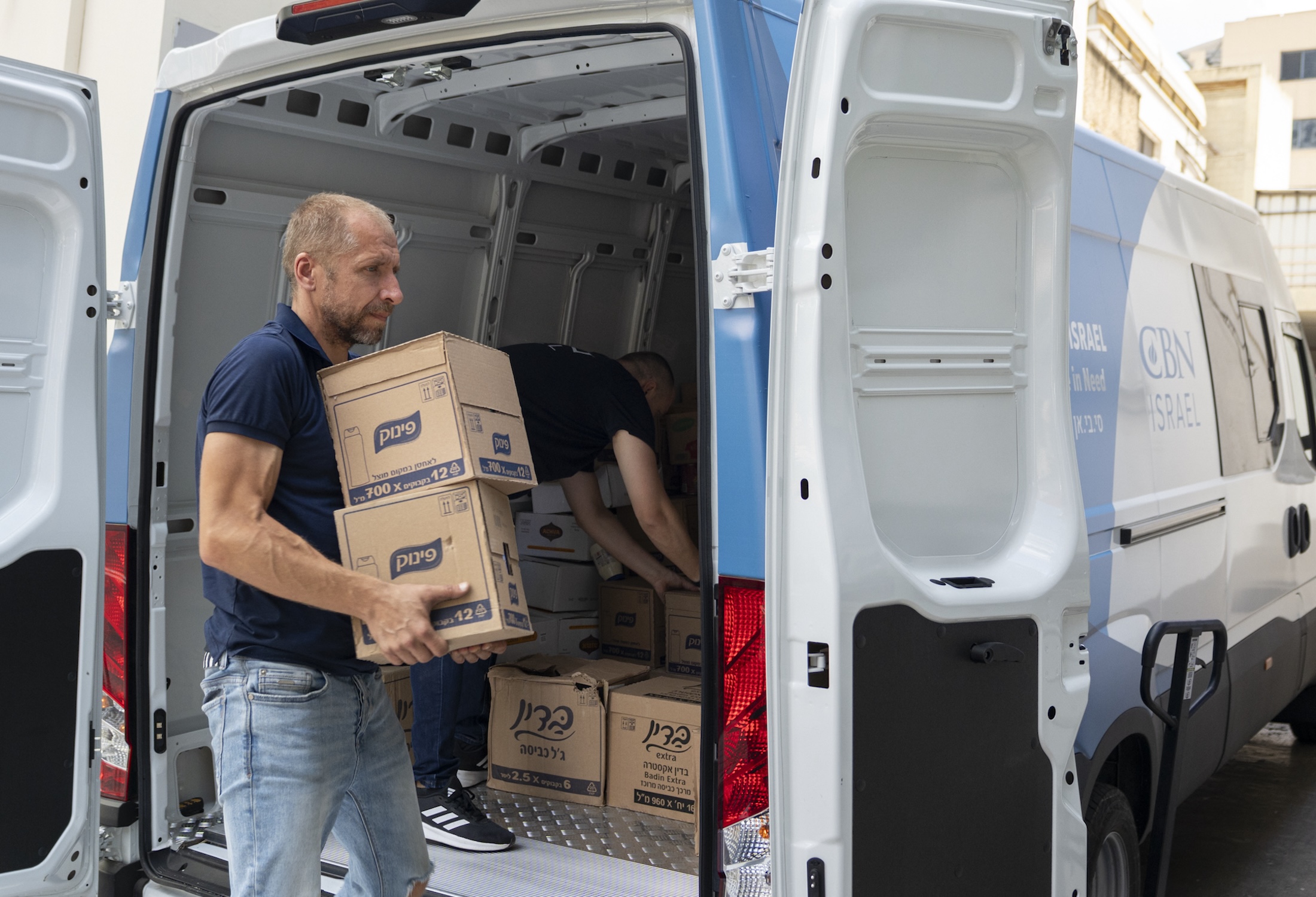
In the face of this crisis, CBN Israel and its partners are working every day to bring relief. With the help of generous supporters, monthly food packages, fresh groceries, and hygiene items are being delivered to tens of thousands of families. These efforts reach Jewish, Muslim, Christian, Druze, and Bedouin households alike, ensuring that no one is forgotten.

Supporters are also making possible large-scale food rescue initiatives, where surplus food from manufacturers and retailers is salvaged and redirected from waste into the hands of those in need. Families are receiving shelf-stable and fresh items, poultry, and other proteins that provide balanced nutrition and restore dignity.

One local partner shared heartfelt thanks, saying, “You made us feel we are not alone in a very lonely and scary time.”

The generosity of CBN Israel’s friends is already answering the cry of the hungry. But the need continues to grow, and there is room for you to join in this vital mission. By standing with Israel’s most vulnerable, you can help bring food to empty tables, relief to displaced families, and encouragement to those who feel forgotten during one of the hardest seasons in Israel’s history.

Your gifts to CBN Israel can give hope and aid to so many in need who feel alone. You can offer them hot meals, safe lodging, financial help, and more.

Please consider a special gift to bless others today!

GIVE TODAY

Read more

Biblical Israel: Pool of Siloam

By Marc Turnage

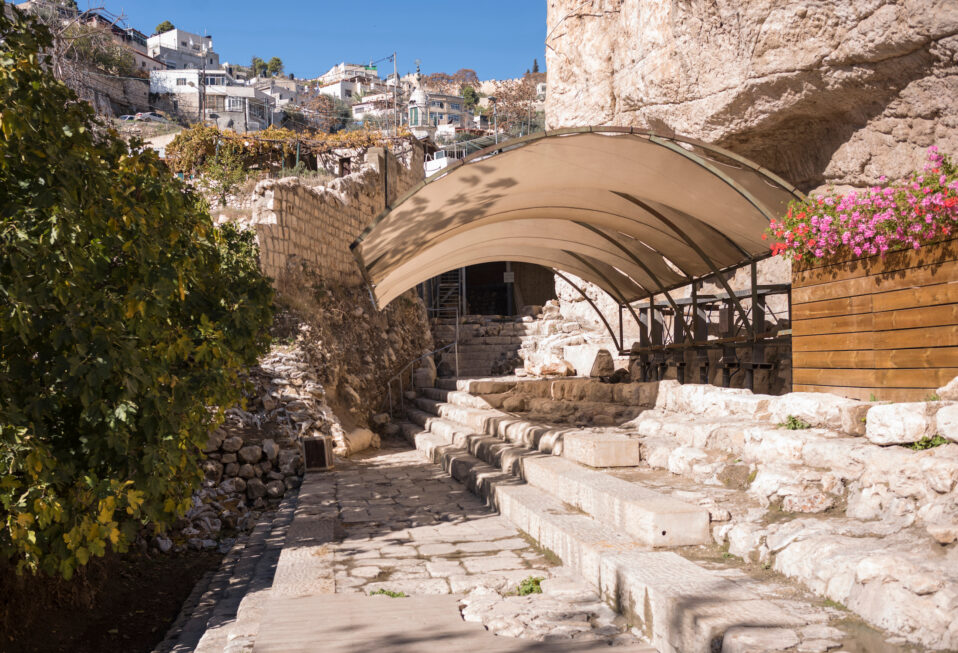
Located on the southern part of the rock cliff that marks the hill of the City of David (in Jerusalem), near the southern end of the Tyropoean Valley sits the Pool of Siloam. The pool was accidentally discovered in 2004 by workmen laying a new sewage line in the southern part of the City of David. The Gihon Spring, Jerusalem’s primary water source, supplied water to the pool in antiquity via the so-called Hezekiah’s Tunnel. 

Archaeologists uncovered two flights of five narrow steps separated by a wide landing that descend into the pool. This enabled people to descend to different levels based upon the fluctuation of the water level due to either the rainy or dry seasons within the land of Israel. Although the archaeologists only uncovered one side of the steps of the pool, it seems that such an arrangement of steps surrounded the pool on four sides. The pool covered roughly an acre of land. Coins and pottery date the construction of the stepped pool to the mid first century B.C.

To the north of the pool, archaeologists uncovered a fine pavement of stones that resemble the first century street that runs to the west of the Western Wall of the Temple Mount. Discovery of column drums and column bases protruding from the pavement suggests that a colonnade ran along the pavement. 

The Pool of Siloam appears twice within the New Testament (Luke 13:4; and John 9:7). In John, Jesus instructed the blind man to wash the mud from his eyes in the pool to be healed. It served the water needs of ancient Jerusalem (along with other pools in the city), and it also served as the largest ritual immersion pool within the city. Jewish pilgrims, who needed to be ritually pure before entering the sacred precincts of the Temple (see Acts 21:26), could use the Pool of Siloam for ritual immersion. Its size and proximity to the Temple makes it a suitable location for the baptism of the three thousand who responded to Peter’s sermon on the Day of Pentecost (Acts 2). 

Archaeologists have suggested that the holes found on the steps leading into the pool might have supported screens made of wood or mats to provide privacy for those ritually immersing in the pool. Jewish ritual immersion, like what we find in the New Testament, required privacy as the person immersing did so in the nude, nothing can come between the bather and the water. 

During the first century, on the last night of the festival of Sukkot (Tabernacles), water was drawn from the Pool of Siloam and brought to the altar of the Temple and poured out as a libation. The festival occurs at the end of the summer (around October), and the water libation requested rains from God (see John 7:37). This ceremony, known as the Beth HaShoeva, occurred at night. Jewish sources describe how pilgrims lined the route from the pool to the Temple carrying torches.

The first century Pool of Siloam likely covers the same pool mentioned in Nehemiah (3:15). Then, at a later time, the pool was enlarged and constructed in the manner of a Jewish ritual immersion bath. 

Marc Turnage is President/CEO of Biblical Expeditions. He is an authority on ancient Judaism and Christian origins. He has published widely for both academic and popular audiences. His most recent book, Windows into the Bible, was named by Outreach Magazine as one of its top 100 Christian living resources. Marc is a widely sought-after speaker and a gifted teacher. He has been guiding groups to the lands of the Bible—Israel, Jordan, Egypt, Turkey, Greece, and Italy—for over twenty years.

Website: WITBUniversity.com
Facebook: @witbuniversity
Podcast: Windows into the Bible Podcast

Read more

Read more

Where Heaven Meets the Water

By Stephen Faircloth

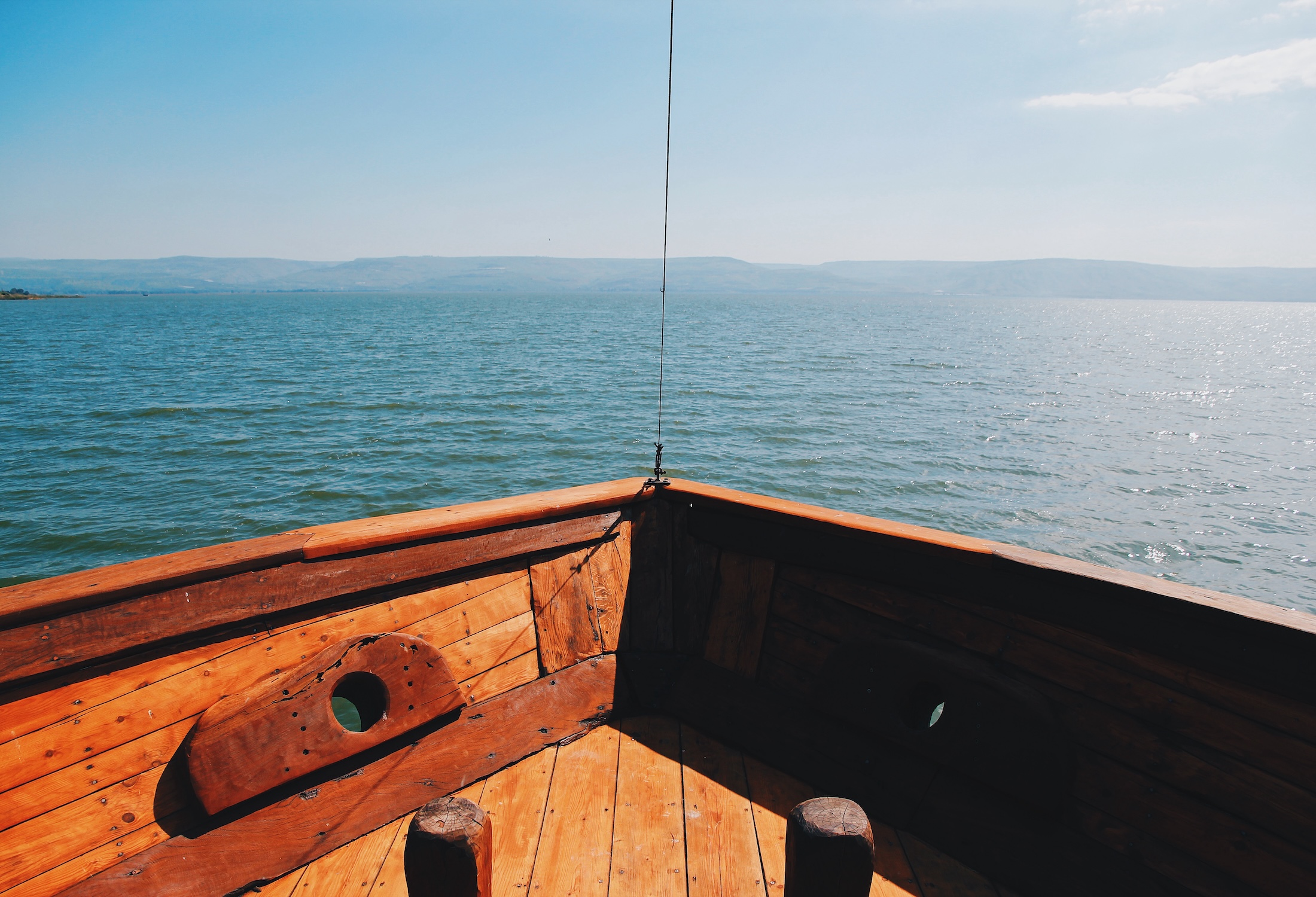
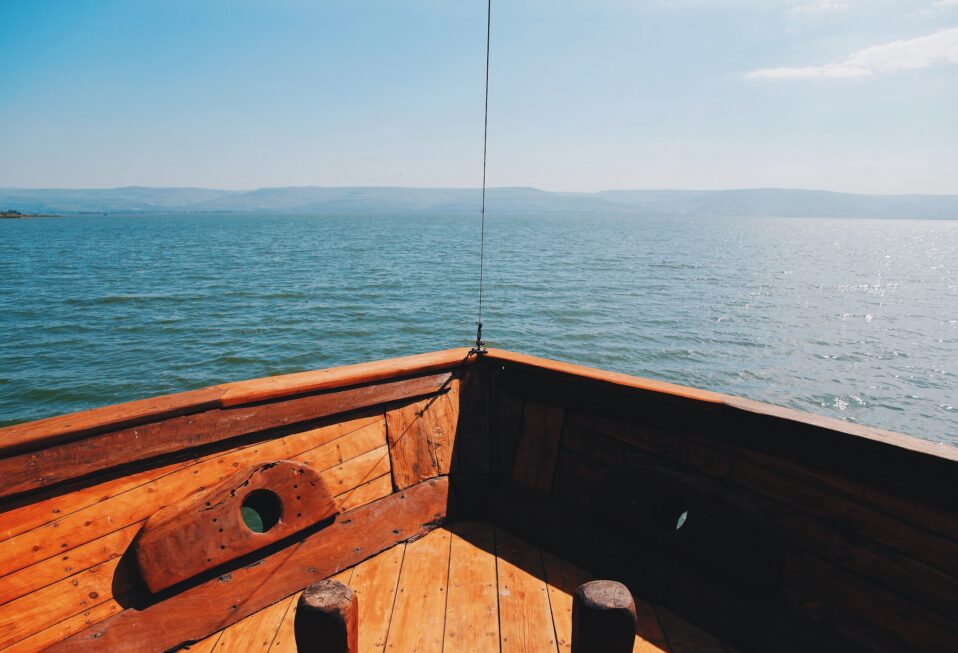
The Sea of Galilee is unlike any other place on earth. Though it is a freshwater lake, it sits 600 feet below sea level, making it the lowest freshwater lake in the world. Luke, ever the careful historian, calls it a lake in his Gospel, reminding us of its true nature (Luke 5:1; 8:22, 33).

Fed by the Jordan River from the north, where three mountain streams converge, the waters flow through Galilee and then continue south toward the Dead Sea. Hills rise around the lake on nearly every side, with fertile valleys to the northwest and northeast. These valleys, Gennesar and Bethsaida, were home to fishing villages, farmland, and most importantly, the heart of Jesus’ ministry. Nearly 95 percent of His recorded works took place in this very region.

Here He taught on the hillsides, healed the sick, calmed storms, walked on the waves, and fed the multitudes. The Bethsaida Valley was home to Peter, Philip, and Andrew. Capernaum, often called “His own city,” became a hub of miracles and teaching. Yet these same towns, so familiar with His works, were warned for their hardness of heart.

The Sea of Galilee is also a place of sudden storms. The geography funnels fierce winds across the water, stirring waves up to 10 or 12 feet high. Fishermen feared these squalls, and the disciples themselves cried out in terror when one such storm arose. Yet it was here, in their fear, that they heard the voice of Jesus: “Peace, be still.”

This lake provided food, trade, and travel for its people, but for Jesus it became a living classroom. Every shoreline, every wave, every storm, and every valley was used to reveal the kingdom of God.

When we picture Galilee, we see more than a lake. We see the stage of the Master Teacher, where heaven touched earth and ordinary lives were transformed.

What are the “lakes” in your life, the ordinary places where Jesus may be teaching you today? Like the disciples, we often meet Him in our storms, our work, and our everyday routines.

Stephen Faircloth is the President of CBN Israel, an initiative dedicated to sharing the true story of the Jewish nation and inspiring a global community of Christians to stand with Israel and support her people in need. Our vision is to reshape the global conversation about Israel by fostering understanding, hope, and healing between Jews and Christians around the world. For more than 50 years, the Christian Broadcasting Network has supported Israel. By joining CBN Israel, you become part of this enduring legacy, transforming lives today and strengthening Christian support for Israel for generations to come.

Read more

Home

The 700 Club Israel

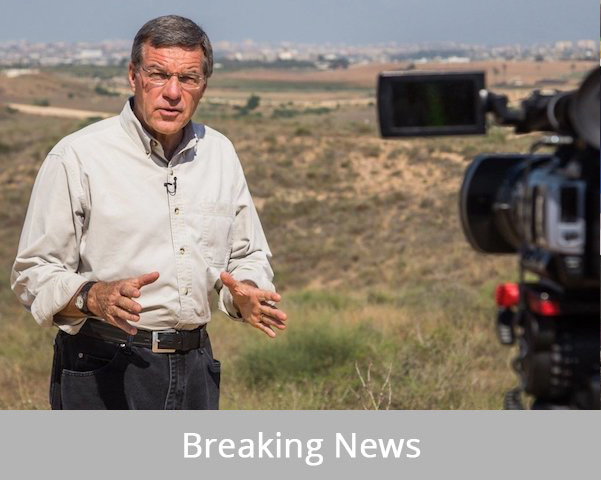
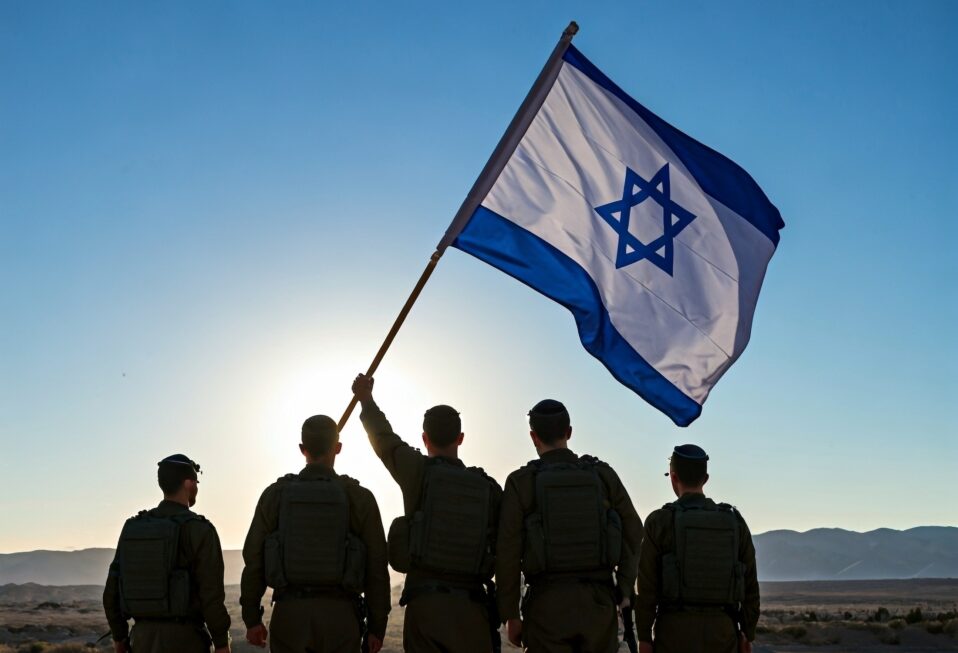
This week on The 700 Club Israel, Gordon Robertson explores the lasting impact of Israel’s withdrawal from Gaza, the divisions it caused, and the hope that still endures.

Discover the history of Israel’s 2005 Gaza pullout, hear from families forced to leave their homes, see how CBN Israel is helping rebuild after attacks, and learn why resilience and faith remain Israel’s greatest strength.

Through each story, you will witness the heartbreak and extraordinary strength of the Israeli people, choosing faith, community, and courage despite overwhelming odds.

MAKE A DIFFERENCE WITH CBN ISRAEL

CBN

ISRAEL

For more than 50 years, the Christian Broadcasting Network (CBN) has faithfully and boldly stood with Israel and the Jewish people.

When you partner with CBN Israel, you become part of this enduring legacy—honoring God’s promises, defending truth, and helping shape the future of Israel advocacy for generations to come.

JOIN TODAY!

RECENT POSTS

Parashat Tzav (צַו) “Command”

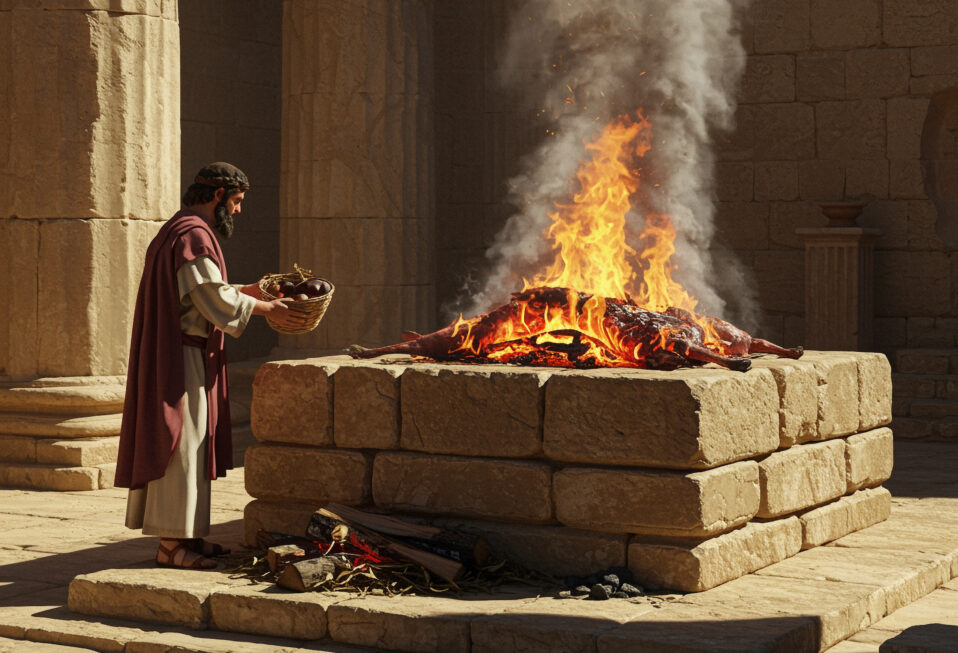
This week’s Torah reading is Parashat Tzav (Leviticus 6:1-8:36). Read on Shabbat, March 28, 2026 / 9 Nisan 5786. The following is a special devotional drawn from this week’s reading....

Read more

Israelis on the Global Front Lines to Oppose the Islamic Regime

The cost of continuous warfare is immense. For a nation fighting a multi front war, disrupted sleep, constant alertness, and ongoing threats to personal safety are part of daily life....

Read more

A Mother’s Hope: Naomi’s Story

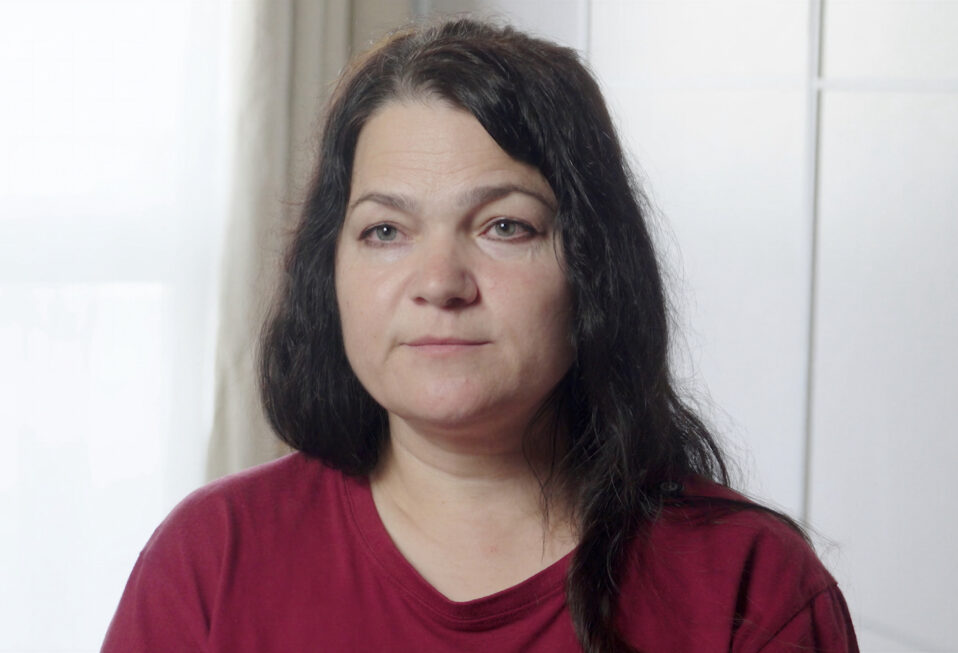
Naomi’s life in Jerusalem is filled with responsibility and sacrifice. As a single mother of three, she works tirelessly to provide not only for her children, but also for her disabled mother who fled the war in Ukraine....

Read more

RECEIVE DEVOTIONALS AND NEWS UDPATES FROM ISRAEL

PRAY FOR ISRAEL

Prayer is one of the most powerful ways we can support Israel. Here are 25 meaningful ways you can pray for the people and the nation of Israel.

Your support of Israel today makes you part of the redemptive story God is telling through His people.

Take Action NOW. Join US Today.

Read more

Biblical Israel: Megiddo

By Marc Turnage

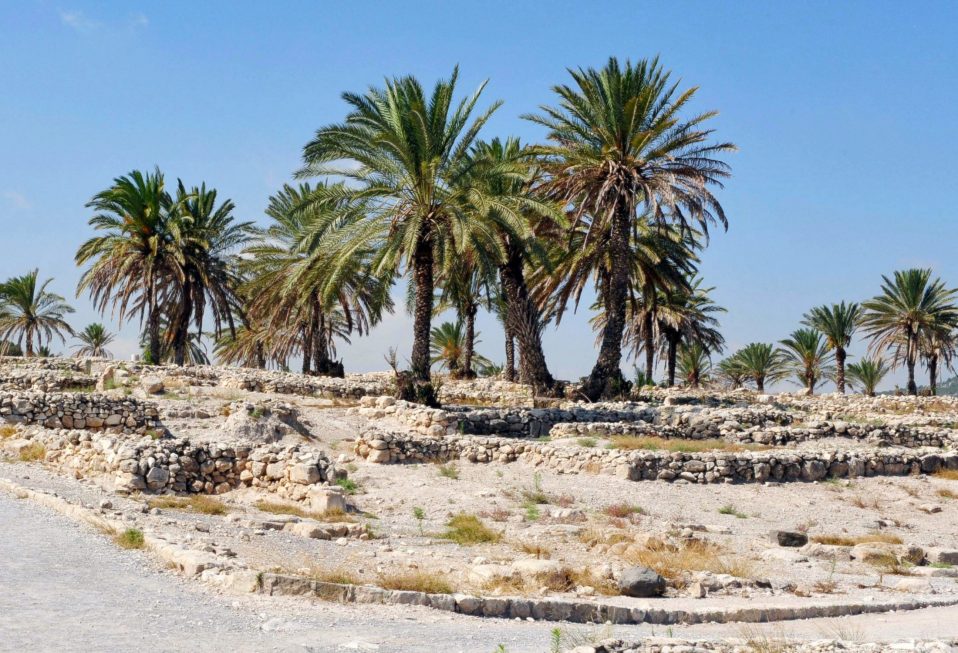
Situated in the western Jezreel Valley at the foot of the lowlands of Mount Carmel stands the ancient mound of Megiddo. It overlooks where Nahal Iron crosses through the Carmel lowlands, which provided passage for one of the branches of the most important highway in the Ancient Near East, a highway that connected Egypt via Israel’s coastline, through the Jezreel Valley, onto Damascus and Mesopotamia. Megiddo’s importance stemmed from its location guarding this most import roadway. 

Archaeological excavations have revealed twenty layers of civilization beginning in the Neolithic period until the fourth century B.C. Its strategic significance made it the stage for battles through much of its history, with Pharoah Thutmoses III in 1468 B.C., Pharoah Merneptah in 1220 B.C., Pharoah Shishak in 924 B.C., and the battle in which Josiah, king of Judah, died at the hands of the forces of Pharoah Neco in 609 B.C. (2 Kings 23:29-30). 

Megiddo’s strategic importance made it the object of Israelite conquest when the Israelites entered the land (Joshua 12:21). By the “waters of Megiddo,” the forces of Deborah and Barak defeated the Canaanite forces of the king of Hazor (Judges 5:19). Megiddo fell within the territorial allotment of Manasseh (Joshua 17:11), but the Manassites could not take possession of Megiddo. It remained under the control of the local Canaanites (Joshua 17:12; Judges 1:27). 

During the United Monarchy, Solomon is said to have fortified Megiddo, along with Gezer and Hazor (1 Kings 9:15)—all three cities provided overwatch of the international coastal highway running from Egypt to Damascus and Mesopotamia. The final mention of Megiddo within the Bible is the death of King Josiah (2 Kings 23:29-30; 2 Chronicles 35:20-24). Within the destruction of the northern kingdom of Israel by the Assyrians in 722 B.C., Megiddo became an administrative city of the Assyrians, but its settlement steadily declined until it was abandoned in the fourth century B.C., most likely due to Alexander the Great’s conquest of the land. 

Visitors to the site today can visit two multi-chambered gate complexes from the Bronze and Iron Ages. Two separate palace and administrative complexes have been excavated, as well as an area that contained several cultic places of worship from different time periods. The site contains the remains of horse stables, stone mangers, and an exercise corral for the horses. Kings of Israel stationed horse and chariot forces, which were the tank corps of the ancient world, at Megiddo due to its strategic location. 

Perhaps the most impressive feature of the site that has been excavated is the water system. Ancient sites, especially administrative centers like Megiddo, had to provide the water needs for the city in times of peace and war. Most ancient sites sat on hills to offer the protection of elevation from an attacking army. Springs, however, usually do not sit on hills; they are found at their base. At Megiddo, the spring sits at the bottom of the west side of the mound. To bring the water into the city, the engineers cut a square shaft through the earth within the city’s fortified walls that connected to a long horizontal tunnel (80 meters long) that had been dug to the source of the spring. This tunnel brought the water to the area where the shaft had been dug, and the shaft enabled the people in the city to descend and draw water. 

A final word should be made regarding the well-known idea that the ancient site of Megiddo had some connection with John’s mention of Armageddon in Revelation (16:13-14, 16). The usual explanation, Armageddon represents the Hebrew meaning the “mountain of Megiddo.” People will speak about the Valley of Armageddon, yet the Bible never mentions a Valley of Armageddon. This is a modern fiction, which appears for the first time in the nineteenth century. 

No ancient Church father or Christian source ever connected Armageddon with Megiddo. Moreover, as we noted, Megiddo ceased to be inhabited in the fourth century B.C. The location of the site was forgotten. The first century Jewish historian Josephus did not know of it. In fact, he relocated the death of Josiah to a town he knew on the border between Egypt and the land of Israel. The fourth century Church father, Eusebius, did not know its location, nor did he connect Megiddo with Armageddon. No one, then, knew in the first century, when John wrote Revelation, where Megiddo was. 

Finally, while Megiddo sits on a hill created by layers of civilization, it cannot be described as a mountain. Hebrew has a word for “hill,” a word that accounts for the names of places like Gibeah, Geva, and Gibeon. Megiddo is a hill, and not a mountain. Time does not permit a full explanation for what stands behind John’s Armageddon, but suffice to say, he expected the gathering point for the armies of wickedness to fight against God to be Jerusalem (Revelation 11:1-2; 14:20; and 20:9), the mountain of assembly.

Marc Turnage is President/CEO of Biblical Expeditions. He is an authority on ancient Judaism and Christian origins. He has published widely for both academic and popular audiences. His most recent book, Windows into the Bible, was named by Outreach Magazine as one of its top 100 Christian living resources. Marc is a widely sought-after speaker and a gifted teacher. He has been guiding groups to the lands of the Bible—Israel, Jordan, Egypt, Turkey, Greece, and Italy—for over twenty years.

Website: WITBUniversity.com
Facebook: @witbuniversity
Podcast: Windows into the Bible Podcast

Read more

Weekly Devotional: Who is My Neighbor?

“Just then an expert in the law stood up to test [Jesus], saying, ‘Teacher, what must I do to inherit eternal life?’ ‘What is written in the law?’ He asked him. ‘How do you read it?’ He answered: Love the Lord your God with all your heart, with all your soul, with all your strength, and with all your mind; and your neighbor as yourself. ‘You’ve answered correctly,’ He told him. ‘Do this and you will live’” (Luke 10:25-28 HCSB).

To Jesus’ reply, the lawyer followed up with the natural question, “And who is my neighbor?” In response, Jesus told the story of the Good Samaritan.

Have you ever noticed the nature of that question, “Who is my neighbor?” No matter how broad or narrow you make the circle, the question seeks to draw a line and define who’s inside and who’s outside of the line. Who are we obligated to love, and who are we relieved from loving? Jesus, however, turned the lawyer’s question around: “Which of these three do you think proved to be a neighbor to the man who fell into the hands of the robbers” (Luke 10:36)? In other words, it is not for us to define insider and outsider, but rather: We must go be the neighbor.

Jesus drew His inspiration for His teaching from God Himself. He recognized that God does not distinguish in His mercy, and neither can we. “But I tell you, love your enemies … so that you may be sons of your Father in heaven. For He causes His sun to rise on the evil and the good, and sends rain on the righteous and the unrighteous” (Matthew 5:44-45). Jesus saw in nature God’s mercy toward all humanity, and He calls upon His followers to imitate God: “Be merciful, just as your Father also is merciful” (Luke 6:36).

But that makes us uncomfortable. We want to believe that God loves us because we’re on the inside. Of course, we want Him to love those like us because they also are inside the line—they are our neighbors. But those who hate us? God must certainly feel differently toward the evil and unrighteous, right? No—not according to Jesus. He sends His sunlight and rain on everyone. His mercy extends to all of humanity without distinction, and we must follow His example.

It’s wonderful to think about how much God loves us, but He loves our enemies the same. He calls us to imitate Him in our mercy toward them. That’s hard. But it’s what we’ve been called to do.

So, who is our neighbor? The person across the street. The foreigner and stranger in our midst. Our worst enemies, and the people who hate us. “Love your neighbor as yourself” (Leviticus 19:18).

PRAYER

Father, You send Your sun and rain on us all to show Your great mercy. May we be merciful as You are merciful to everyone. May we demonstrate our love for You by how we love others who are created in Your image. Amen.

Read more

Read more