

ARTICLES

U.S. State Department Makes a Momentous Decision

By Arlene Bridges Samuels

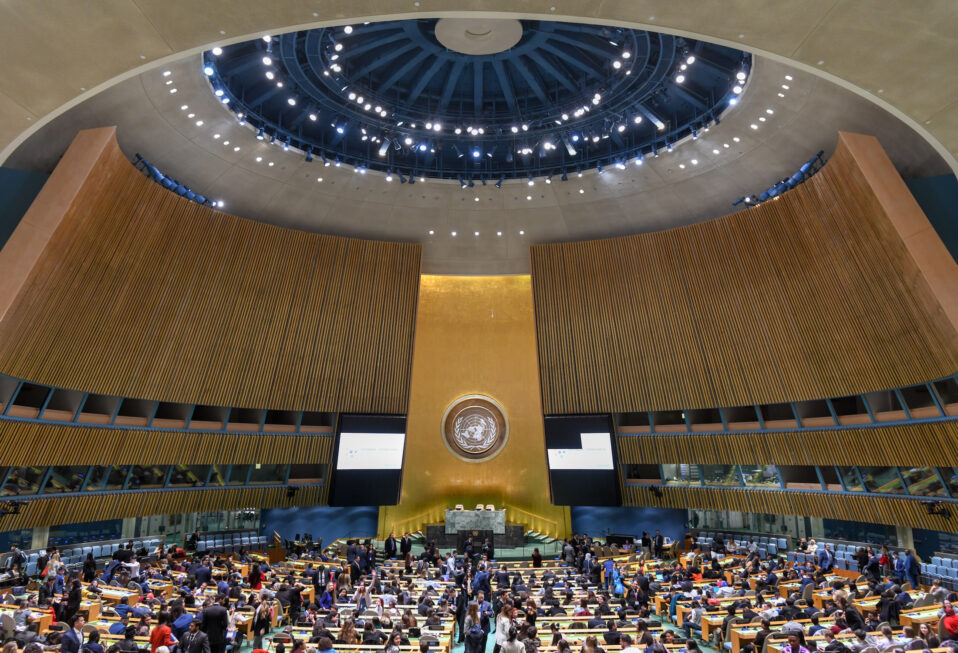
After a recent U.S. State Department decision, much of the world has reacted with outrage, vehemently opposing what is in reality a prudent and long-overdue American policy. The cause of the uproar? The Department of State (DOS) has revoked visas for Palestinian Authority (PA) President Mahmoud Abbas and 80 PA officials, preventing them from attending the upcoming United Nations General Assembly in New York City, scheduled for September 9 to 23.

The DOS statement affirmed: “It is in our national security interests to hold the PLO (Palestinian Liberation Organization) and PA (Palestinian Authority) accountable for failing to honor their commitments and for undermining prospects for peace.” It further emphasized that only groups that “consistently repudiate terrorism, including the October 7 massacre, and end incitement to terrorism in education” can be regarded as credible partners for peace.

There is historical precedent for such a move. The United States has denied visas to foreign leaders before. In 1988, for instance, PLO chairman Yasser Arafat was denied entry, prompting the UN General Assembly to relocate its session to Switzerland.

So, what lies behind this September decision? Mahmoud Abbas, now 89, was elected Palestinian Authority president in 2009. Since then, he has refused to hold new elections or meet face to face with any Israeli prime minister for peace talks, a stalemate that has lasted 16 years. The pattern of destructive choices traces back eight decades to when the United Nations passed one of its most consequential resolutions: Resolution 181.

Although adopted in a secular context, Resolution 181 aligned with Israel’s biblical promises. On November 29, 1947, the UN voted to partition British-ruled Palestine into two states, one Jewish and one Arab.

The Arab world immediately rejected the proposal, refusing to accept any arrangement that recognized a Jewish state. On May 14, 1948, as Israel declared independence, Arab nations launched a war against the fledgling and ill-equipped state. Against all odds, Israel prevailed.

The Jewish people, in contrast, accepted the imperfect yet promising partition plan. Through decades of labor and determination, they transformed deserts into fertile lands, pioneered life-saving innovations, and built a thriving nation. Today, at 77 years old, Israel stands as a free, prosperous, and innovative state.

Meanwhile, decades of Palestinian refusal have layered conflict upon conflict, an unbroken legacy of rejectionism.

This year, the United Nations’ General Assembly convenes under the theme: “Better Together: 80 years and more for peace, development and human rights.” The stated aim: “To address complex global challenges, build consensus, and forge partnerships for a more equitable and sustainable future.”

Yet the UN’s track record tells a different story. Its disproportionate criticism of Israel, coupled with endless slanderous resolutions, has undermined true progress. Instead of directing more energy toward the world’s worst human rights abusers, the UN has persistently targeted one of its most democratic and innovative member states.

UN Watch, a non-profit watchdog that holds the UN accountable to its founding principles, provides a sobering perspective. Reviewing the UN Human Rights Council’s record from 2006 through 2024, UN Watch notes that the body passed 108 resolutions against Israel, compared to 45 against Syria, 15 against Iran, 10 against Russia, and only 4 against Venezuela. The imbalance is staggering. Very simply, the UN does not hold dictatorships to the same standard it imposes on Israel.

The popularization of the term “Palestinians” can be traced largely to Yasser Arafat, the Egyptian-born founder of the PLO and the architect of modern terrorism. He mentored Mahmoud Abbas, embedding in him the same strategy of weaponizing victimhood.

Arafat promoted the identity of a “Palestinian people” beginning in the late 1960s, using it as a tool to delegitimize Israel. Western leaders, too often naïve, elevated him, and later Abbas, as supposed freedom fighters. But Arafat’s true goal was always the destruction of Israel. Today, Abbas and other Palestinian leaders continue policies that perpetuate refugee status, incite hatred, and even promote genocide.

The State Department’s decision becomes clearer when considering the PA’s destructive policies. The PLO and PA have consistently undermined peace while glorifying violence. Three examples illustrate this:

  1. “Pay-for-Slay” Rewards for MurderWhen a Palestinian kills an Israeli or even an American, the Abbas regime rewards the terrorist’s family with generous stipends, sometimes amounting to hundreds of thousands of dollars. In 2016, U.S. veteran Taylor Force was murdered by a Palestinian terrorist while visiting Tel Aviv with his Vanderbilt MBA study group. This prompted bipartisan passage of the Taylor Force Act in 2018, which sought to cut U.S. aid to the PA until it ended such payouts. Yet corruption prevails. The Foundation for Defense of Democracies reported that after Abbas supposedly reduced these payments in February 2025, Israel released 316 terrorists during a ceasefire, while Hamas released 33 hostages. The terrorists walked free as millionaires, receiving a staggering 142 million dollars in PA funds.
  2. Elevating Terrorists as Role ModelsThe PA and PLO routinely glorify terrorists as “martyrs.” Streets, schools, and public squares bear their names. In Ramallah, “Martyr Dalal Mughrabi Square” honors the woman who led the murder of 37 Israelis, including 12 children. In 2015, Nablus unveiled a monument shaped like Israel to honor Naif Abu Sharakh, a commander of the Al-Aqsa Martyrs’ Brigades.
  3. Indoctrinating Children Through EducationThe Palestinian education system is steeped in incitement. Palestinian Media Watch has documented countless examples. On National Reading Day, for instance, schoolgirls read Hanadi in the Restaurant of Horror, a book glorifying a female suicide bomber who murdered 21 Israelis in Haifa. Despite international outcry, these materials remain entrenched in PA schools.

Former U.S. Ambassador to Israel David Friedman captured the moment well on X: “Only the United States under President Trump has come to Israel’s aid during this 7-front war. The UN has aided and abetted Hamas, as has the International Red Cross. Western Europe and Canada have abandoned Israel. Only a few true friends remain.”

The battle is not merely political, it is spiritual. As Deuteronomy 14:2 declares: “For you are a people holy to the LORD your God. Out of all the peoples on the face of the earth, the LORD has chosen you to be his treasured possession.” God chose Israel not for its merit but as a vessel of His redemptive plan, culminating in the arrival of our Jewish Savior. This truth binds faithful Christians and Jews as those who are truly “Better Together.”

We invite you to join our CBN Israel team in prayer, and in sharing truth to counter the lies spread against Israel at the United Nations.

Prayer Points:

  • Pray with thanks to God for His unchanging promises to Israel and to us.
  • Pray for U.S. Secretary of State Rubio as he leads with wisdom and resolve.
  • Pray for continued success for UN Watch in holding the UN accountable.
  • Pray for UN delegates to make just and wise decisions regarding Israel.
  • Pray for deeper unity between Jews and Christians to stand firm together.

Arlene Bridges Samuels is the weekly feature columnist for CBN Israel since 2020. Working on the staff of the American Israel Public Affairs Committee (AIPAC) as their SE Regional Outreach Director for nine years, International Christian Embassy Jerusalem USA engaged her as the Leadership Outreach Director part-time for their project American Christian Leaders for Israel. Arlene is an author at The Blogs-Times of Israel, is published at AllIsrael.com and The Jerusalem Connection, and has traveled to Israel since 1990. By invitation, she attends Israel’s Government Press Office Christian Media Summits as part of Christian media worldwide. In 2024, Arlene and her husband Paul co-authored Mental Health Meltdown: Illuminating the Voices of Bipolar and Other Mental Illnesses. www.TheMentalHealthMeltdown.com.
Read more

A Day of Sacred Remembrance: Understanding Tisha B’Av

By Stephen Faircloth

In the fifth month of the Hebrew calendar, on the seventh day, during the nineteenth year of King Nebuchadnezzar’s reign, his captain of the guard, Nebuzaradan, arrived in Jerusalem. He set fire to the Temple of the Lord, the royal palace, and every important building in the city. The destruction was total. Jerusalem was left in ruins (2 Kings 25:8-9).

Tisha B’Av, meaning “the ninth of Av,” is recognized as the most sorrowful day in the Jewish year. It is a solemn fast day that remembers not only the destruction of the First and Second Temples in Jerusalem, but also centuries of suffering and loss endured by the Jewish people.

Although rooted in the Bible, the observance of Tisha B’Av is established through Rabbinic tradition. It concludes a three-week period of mourning that begins with the fast of the 17th of Tammuz, marking the breaching of Jerusalem’s walls, and culminates in the fall of the Temple.

Jewish tradition holds that both Temples were destroyed on the exact same Hebrew date, though they fell nearly 650 years apart. The First Temple, constructed by King Solomon, was destroyed by the Babylonians in 586 B.C. The Second Temple, rebuilt after the Babylonian exile and later enlarged by King Herod, was razed by the Romans in 70 A.D.

But the tragedies tied to Tisha B’Av extend far beyond ancient ruins. Over the centuries, this date has come to symbolize the collective grief of a people who have endured exile, persecution, and displacement again and again.

Some of the darkest moments in Jewish history coincided with Tisha B’Av:

  • The expulsion from England in 1290 was decreed on this day.
  • In 1492, Spain’s Alhambra Decree gave Jews until the end of July—Tisha B’Av that year—to leave the country or face forced conversion or death.
  • Pogroms, massacres, and the horrors of the Holocaust have also become part of the broader legacy remembered on this day.
  • In 2005, the Disengagement from Gaza, which saw thousands of Jewish families uprooted from their homes, concluded just as Tisha B’Av ended.
  • On October 7, 2023, over 1,200 Israelis were murdered in a Hamas-led massacre, the deadliest day for Jews since the Holocaust.

A story often shared to capture the emotional depth of Tisha B’Av involves Napoleon Bonaparte. While passing through a Jewish village in Europe, he heard sobbing from a nearby synagogue. Curious, he looked inside and saw men and women sitting on the floor, dimly lit by candlelight, reading from ancient texts and mourning.

Perplexed, Napoleon asked what tragedy had just occurred. His advisor explained that no new disaster had taken place. Instead, the Jewish people were observing their annual day of mourning for the destruction of their Temple—events that had taken place nearly two thousand years earlier.

Moved by their enduring devotion, Napoleon reportedly said, “A people who mourns for their Temple for so long will surely be rewarded with its restoration.”

Today, the observance continues much as it has for centuries. The Book of Lamentations is read aloud in synagogues, often in a dim setting that reflects the solemnity of the day. Traditional customs include sitting low to the ground, refraining from greetings, and fasting from food and drink for 25 hours. In Jerusalem, thousands gather to walk along the Old City walls, honoring the memory of what was lost and hoping for what is yet to come.

Tisha B’Av is not only a day of sorrow but also a testament to the Jewish people’s resilience and unwavering hope. It reminds us that even in the ashes of history, faith endures.

Stephen Faircloth is the President of CBN Israel, where he is dedicated to supporting both the nation and the people of Israel. He leads advocacy and humanitarian efforts that deliver practical aid and lasting hope to vulnerable groups, including terror victims, Holocaust survivors, refugees, and families in crisis. Before assuming this role, Stephen helped launch an initiative that brought Christian groups such as pastors, churches, students, and youth to the Holy Land, enabling them to experience Israel and encounter their faith where it began.

Read more

Read more

Feeding Hope in a Time of Crisis

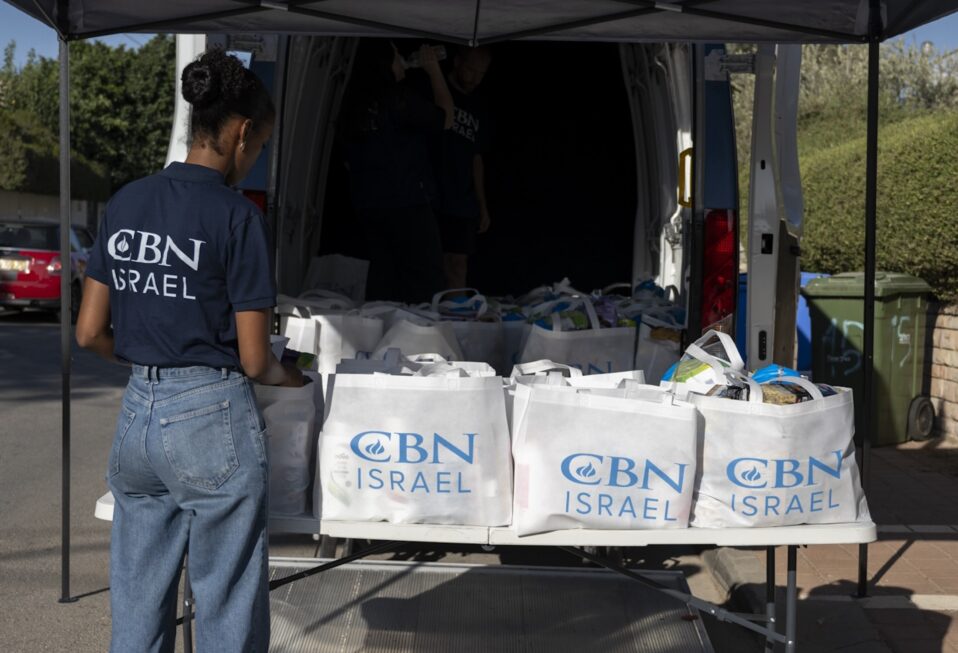
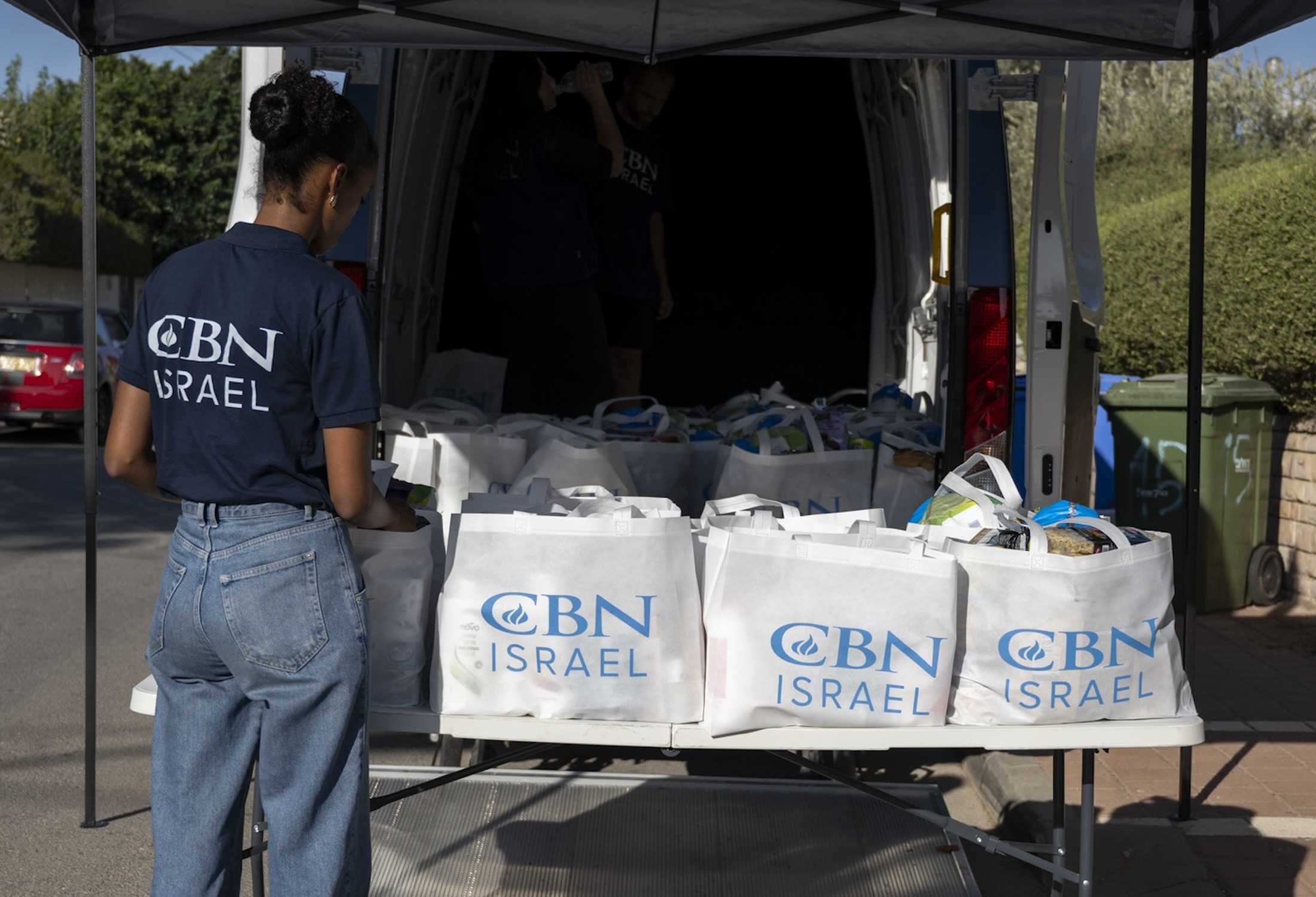
After nearly two years of ongoing war, life remains uncertain for many families across Israel. Though the headlines may fade, the daily struggles of vulnerable communities persist. In cities like Beersheva, where missile attacks have struck hard in recent months, countless people are still trying to recover.

Among those affected most are single mothers, elderly widows, refugees, and those living with the scars of war. And with jobs lost and schools repeatedly disrupted, many parents continue to face impossible choices, especially when it comes to putting food on the table for their children.

But because of caring friends like you, they are not facing this hardship alone. Thanks to the compassion and generosity of donors, CBN Israel’s food distribution team continues to partner with local ministries across the country to deliver groceries and hygiene items. In Beersheva, mobile distribution centers are set up to meet families right where they are, bringing practical help and renewed hope.

Mariana Gol, who leads a local aid group, described the impact donors are making. She said, “Because of everything our families have been through over the past two years, we are trying to support and encourage them. And CBN Israel continues to bring food and essentials for them. Some have not been able to work during the war and found themselves in an even greater economic struggle.”

Your gift makes it possible for families who have endured trauma and displacement to receive the urgent care they need. Your support helps restore dignity by providing food, clothing, housing, financial aid, counseling, and compassion.

Please join us in standing with Israel’s most vulnerable people and showing them that they are not forgotten.

GIVE TODAY

Read more

Capernaum: Meeting Jesus in the Everyday

By Stephen Faircloth

Nestled along the northern shore of the Sea of Galilee, the ancient village of Capernaum was once a quiet fishing town that became a pivotal center for Jesus’ ministry, where He taught His fellow Jews and performed many remarkable miracles.

Although largely unknown in earlier historical records, Capernaum bursts onto the biblical scene in the Gospels as a place of extraordinary significance. Apart from Jerusalem, no other location is mentioned more frequently. Referred to by Matthew as Jesus’ “own city” (Matthew 9:1), it became His home base during His Galilean ministry, a hub for healing, teaching, and transformation.

Here, Jesus healed the sick, cast out demons, raised the paralyzed, and restored the broken. He taught in the synagogue, even honoring the faith of a Roman centurion who had helped build it (Luke 7:5). In Capernaum, divine power met human need on a daily basis.

Modern archaeological discoveries have brought new depth to our understanding of this sacred village. Excavations have revealed first-century homes built in a clustered courtyard style known as an insula, where multiple generations lived and worked around shared space. These homes help us visualize Gospel scenes: friends lowering a paralytic through a roof, neighbors crowding doorways to hear Jesus speak, meals shared in intimate settings.

The synagogue standing today, made of bright limestone, was likely constructed centuries after Jesus walked its streets. But beneath its foundation, black basalt stones hint at an earlier structure, possibly the synagogue where Jesus Himself once read and taught. Nearby, under a modern church, lie the remains of an ancient house that transitioned into a place of worship by early Christians, possibly the very home of Simon Peter.

While time has worn away the original walls, the message of Capernaum remains: God stepped into ordinary places. He didn’t choose temples of grandeur, but village homes and fishing docks to unveil His glory. He moved into the rhythms of daily life, healing, teaching, forgiving, and calling people to follow Him.

Capernaum invites us to see our own spaces, our homes, workplaces, and neighborhoods, as potential places where heaven still touches earth. The same Jesus who walked through its dusty paths walks with us today, desiring to heal, to teach, and to dwell among His people.

Where has Jesus made His home in your life? Are you open to Him working through the everyday spaces around you? What would it look like for your home or community to become a modern-day Capernaum, a place of healing, hope, and holy presence?

Stephen Faircloth is the President of CBN Israel, an initiative dedicated to sharing the true story of the Jewish nation and inspiring a global community of Christians to stand with Israel and support her people in need. Our vision is to reshape the global conversation about Israel by fostering understanding, hope, and healing between Jews and Christians around the world. For more than 50 years, the Christian Broadcasting Network has supported Israel. By joining CBN Israel, you become part of this enduring legacy, transforming lives today and strengthening Christian support for Israel for generations to come.

Read more

Read more

Masada: Fortress in the Wilderness

By Stephen Faircloth

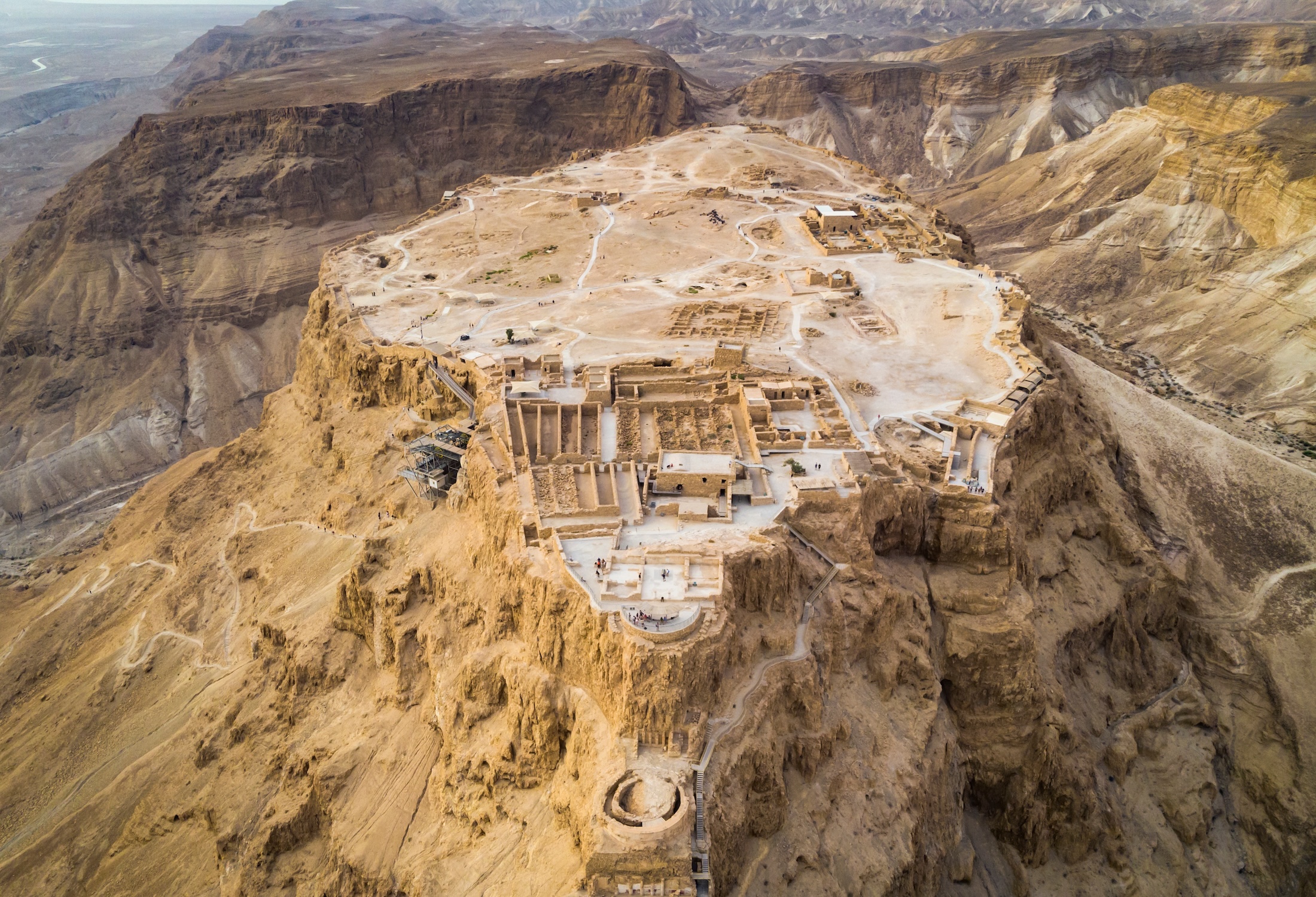
High above the barren shores of the Dead Sea, the rocky plateau of Masada rises like a sentinel in the desert. Though it receives barely an inch of rain each year, Herod the Great transformed this remote outcrop into one of the most impressive fortress-palaces of the ancient world.

Herod spared no expense. He built two palatial complexes, one cascading dramatically down the northern slope, the other on the western side. Both contained storerooms, living quarters, Roman-style bathhouses, and lavish decorations fitting for a king. Ingenious channels and cisterns captured scarce rainfall, storing millions of gallons of water. Even in the wilderness, Herod ensured he could enjoy pools and gardens.

Yet Masada’s fame does not rest on Herod’s luxuries. Its name is forever tied to the First Jewish Revolt. According to Josephus, Jewish rebels known as the Sicarii sought refuge on Masada after Jerusalem’s destruction. When the Roman Tenth Legion laid siege and finally breached the fortress, they discovered the defenders had chosen death over slavery. Though historians debate the exact details, the story endures as a haunting symbol of desperation, courage, and loss.

Archaeology confirms the presence of those rebels. Herod’s opulent rooms were repurposed for survival. A donkey stable was converted into a simple synagogue, where fragments of scrolls were discovered. Some contained portions of Scripture, others preserved Jewish writings such as Ben Sira. Even in their final days, these men clung to the Word of God as their anchor.

Masada is a place of contrasts. It tells of human ambition in Herod’s stone palaces. It speaks of human defiance in the rebels’ last stand. And it whispers of faith in the scrolls left behind, even as hope seemed lost.

The lesson of Masada is clear. Human fortresses, no matter how strong, cannot ultimately save us. Walls crumble. Armies march. Even the most secure refuge can fall. But Scripture reminds us of a greater truth: “God is our refuge and strength, a very present help in trouble” (Psalm 46:1). Unlike Masada, His protection never fails.

Trusting in God as our true refuge means more than just calling on Him in times of crisis. It is choosing daily to lean on Him instead of our own strength, to surrender our fears instead of building walls around them, and to let His Word be the anchor of our hearts. Where Masada crumbled, God’s presence remains unshakable.

Where do you look for safety when life feels uncertain? Are you building your own fortress, or are you learning to rest in God as your refuge?

Stephen Faircloth is the President of CBN Israel, an initiative dedicated to sharing the true story of the Jewish nation and inspiring a global community of Christians to stand with Israel and support her people in need. Our vision is to reshape the global conversation about Israel by fostering understanding, hope, and healing between Jews and Christians around the world. For more than 50 years, the Christian Broadcasting Network has supported Israel. By joining CBN Israel, you become part of this enduring legacy, transforming lives today and strengthening Christian support for Israel for generations to come.

Read more

Home

The 700 Club Israel

This week on The 700 Club Israel, Gordon Robertson uncovers the clash between Jews and the Roman Empire, the resilience it produced, and the hope that endures to this day.

Discover the history of Jewish resistance against Rome, walk the newly uncovered Pilgrimage Road in Jerusalem, meet an immigrant-turned-leader helping families in Tel Aviv, and see how CBN Israel is supporting communities in crisis with food, counseling, and care.

Through each story, you will witness the unshakable faith and extraordinary strength of the Israeli people, choosing life, community, and courage across the centuries.

MAKE A DIFFERENCE WITH CBN ISRAEL

CBN

ISRAEL

For more than 50 years, the Christian Broadcasting Network (CBN) has faithfully and boldly stood with Israel and the Jewish people.

When you partner with CBN Israel, you become part of this enduring legacy—honoring God’s promises, defending truth, and helping shape the future of Israel advocacy for generations to come.

JOIN TODAY!

RECENT POSTS

Parashat Tzav (צַו) “Command”

This week’s Torah reading is Parashat Tzav (Leviticus 6:1-8:36). Read on Shabbat, March 28, 2026 / 9 Nisan 5786. The following is a special devotional drawn from this week’s reading....

Read more

Israelis on the Global Front Lines to Oppose the Islamic Regime

The cost of continuous warfare is immense. For a nation fighting a multi front war, disrupted sleep, constant alertness, and ongoing threats to personal safety are part of daily life....

Read more

A Mother’s Hope: Naomi’s Story

Naomi’s life in Jerusalem is filled with responsibility and sacrifice. As a single mother of three, she works tirelessly to provide not only for her children, but also for her disabled mother who fled the war in Ukraine....

Read more

RECEIVE DEVOTIONALS AND NEWS UDPATES FROM ISRAEL

PRAY FOR ISRAEL

Prayer is one of the most powerful ways we can support Israel. Here are 25 meaningful ways you can pray for the people and the nation of Israel.

Your support of Israel today makes you part of the redemptive story God is telling through His people.

Take Action NOW. Join US Today.

Read more

Home

The 700 Club Israel

This week on The 700 Club Israel, Gordon Robertson uncovers the clash between Jews and the Roman Empire, the resilience it produced, and the hope that endures to this day.

Discover the history of Jewish resistance against Rome, walk the newly uncovered Pilgrimage Road in Jerusalem, meet an immigrant-turned-leader helping families in Tel Aviv, and see how CBN Israel is supporting communities in crisis with food, counseling, and care.

Through each story, you will witness the unshakable faith and extraordinary strength of the Israeli people, choosing life, community, and courage across the centuries.

MAKE A DIFFERENCE WITH CBN ISRAEL

CBN

ISRAEL

For more than 50 years, the Christian Broadcasting Network (CBN) has faithfully and boldly stood with Israel and the Jewish people.

When you partner with CBN Israel, you become part of this enduring legacy—honoring God’s promises, defending truth, and helping shape the future of Israel advocacy for generations to come.

JOIN TODAY!

RECENT POSTS

Parashat Tzav (צַו) “Command”

This week’s Torah reading is Parashat Tzav (Leviticus 6:1-8:36). Read on Shabbat, March 28, 2026 / 9 Nisan 5786. The following is a special devotional drawn from this week’s reading....

Read more

Israelis on the Global Front Lines to Oppose the Islamic Regime

The cost of continuous warfare is immense. For a nation fighting a multi front war, disrupted sleep, constant alertness, and ongoing threats to personal safety are part of daily life....

Read more

A Mother’s Hope: Naomi’s Story

Naomi’s life in Jerusalem is filled with responsibility and sacrifice. As a single mother of three, she works tirelessly to provide not only for her children, but also for her disabled mother who fled the war in Ukraine....

Read more

RECEIVE DEVOTIONALS AND NEWS UDPATES FROM ISRAEL

PRAY FOR ISRAEL

Prayer is one of the most powerful ways we can support Israel. Here are 25 meaningful ways you can pray for the people and the nation of Israel.

Your support of Israel today makes you part of the redemptive story God is telling through His people.

Take Action NOW. Join US Today.

Read more

Weekly Devotional: At the Crossroads: Positioned for Purpose

Have you ever paused to consider why God moved Abraham from the bustling cities of Mesopotamia to the relatively undeveloped land of Canaan? Or why the prophet Samuel always returned to Ramah to judge Israel? Or why Paul remained in the pagan city of Ephesus for more than two years during his missionary journeys?

There’s a common thread woven through these stories—geography. All of these places were positioned at strategic crossroads of the ancient world.

Canaan, for example, wasn’t just a piece of land; it was the land bridge connecting Africa and Asia, situated between the superpowers of Egypt and Mesopotamia. It was the physical and cultural intersection of nations, commerce, and influence. To live there was to live where the world passed by.

Samuel’s hometown of Ramah was another strategic location—set at the junction of key trade and travel routes through the hill country of Israel. By basing himself there, he remained accessible to the people. Israel could hear the Word of the Lord at the center of their daily movements.

Paul chose Ephesus, a major city in the Roman Empire and home to the famous Temple of Artemis. Positioned along critical trade routes, it welcomed merchants, travelers, and worshipers from across the empire. Instead of avoiding the cultural noise of a pagan city, Paul met it head-on—with truth, boldness, and the gospel of Jesus.

These were not random places. God’s positioning of His people was deliberate. He placed them at physical and cultural intersections—crossroads—so their lives could influence as many others as possible. Their mission was not only to obey Him, but to reflect His glory in full view of the world.

That calling hasn’t changed. God still places His people at crossroads today—places of influence, connection, tension, and opportunity.

Maybe your crossroads is a busy workplace, a diverse neighborhood, a university campus, or an online community. Wherever He has placed you, your presence has purpose.

You are not where you are by accident. The question is—will you live obediently at your crossroads? Will you be faithful where the world intersects with your life, shining His light and declaring His kingship?

PRAYER

Father, open my eyes to the places where You’ve positioned me. Help me not to shrink back from influence, but to live boldly and obediently, reflecting You in the crossroads of my life. Amen.

Read more