


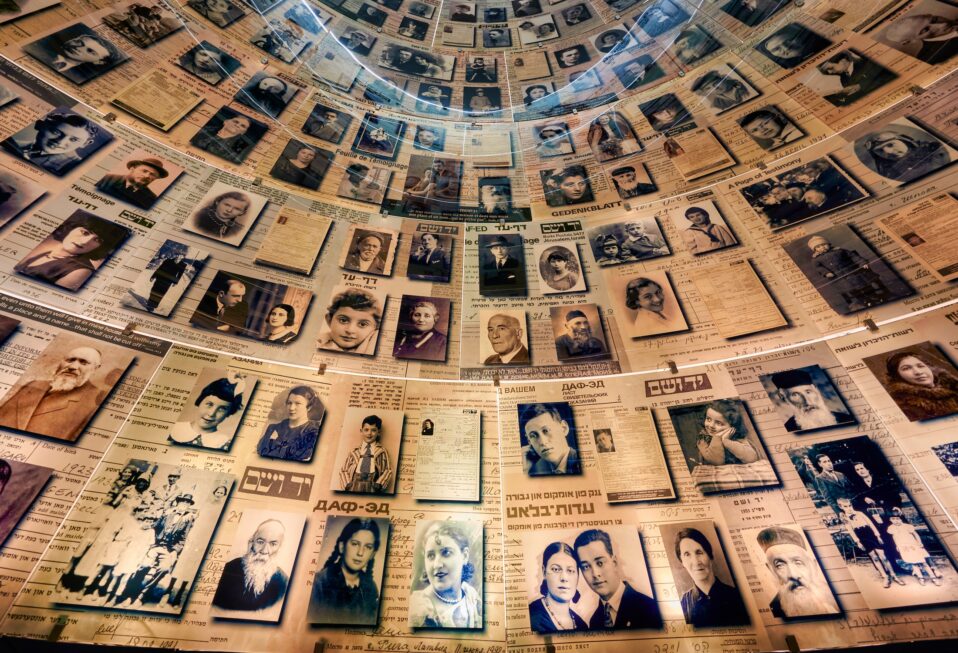
During Israel’s defensive war against the weakening Islamic Regime, sirens frequently pierce the air. These alarms send civilians rushing to safe rooms and bomb shelters as missiles target population centers from Iran and its proxies in Lebanon. For many Israelis, these shelters have become temporary living spaces where families gather to sleep, eat, and endure together.
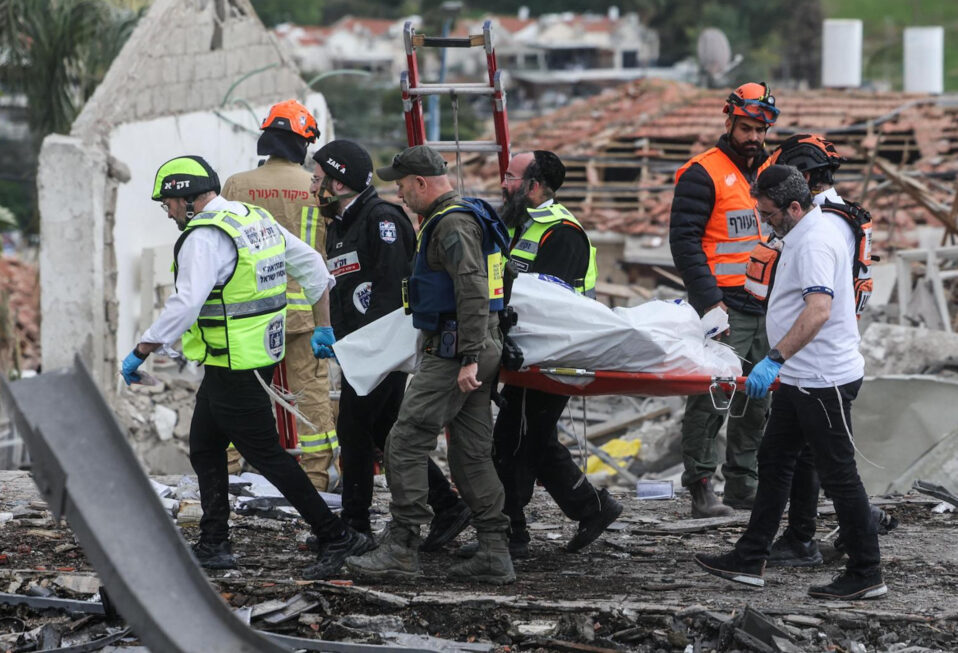
Saving Lives Under Fire: The Burden on Israel’s Rescue Teams
For the first time in Israel’s modern history, the nation is under direct missile attack from the Islamic regime itself. As Passover approaches, Jewish families once again face the reality of observing their most sacred season under the shadow of war.
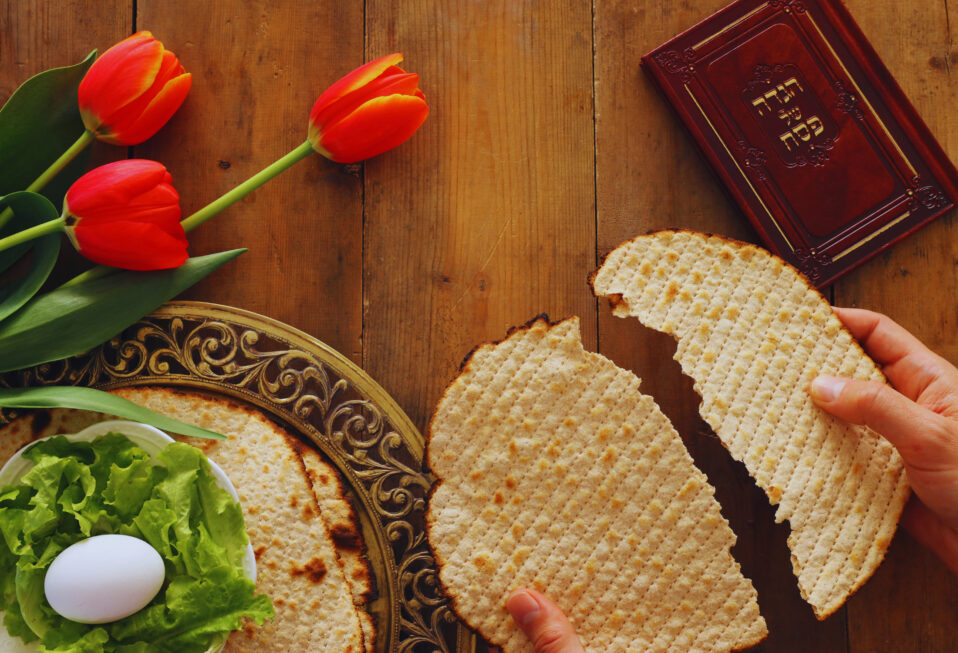
Under Fire: Passover and Palm Sunday
For the first time in Israel’s modern history, the nation is under direct missile attack from the Islamic regime itself. As Passover approaches, Jewish families once again face the reality of observing their most sacred season under the shadow of war.
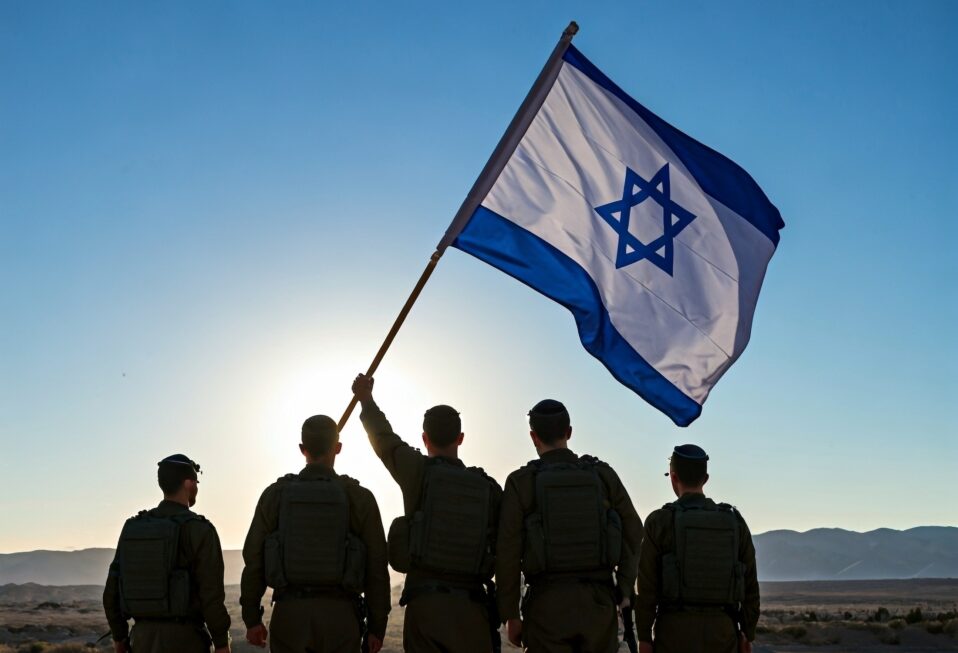
Israelis on the Global Front Lines to Oppose the Islamic Regime
The cost of continuous warfare is immense. For a nation fighting a multi front war, disrupted sleep, constant alertness, and ongoing threats to personal safety are part of daily life.

The Medal of Honor
On a frigid morning in a Nazi prisoner of war camp during World War II, two hundred Jewish American soldiers had their future rewritten by five simple words.
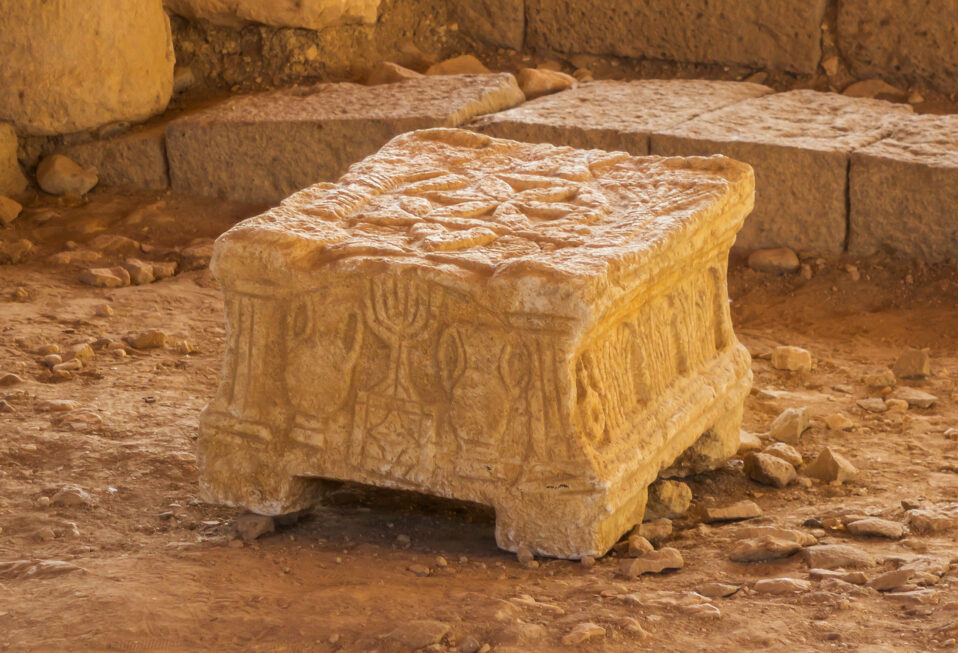
Israel’s History: From Ancient Artifacts to a Digital Treasure Trove
A digital war is being waged against Israel. Iran, Hamas, and other hostile actors employ cyber espionage, phishing schemes, malware, and attacks on infrastructure as part of their campaign to undermine and delegitimize the Jewish state.
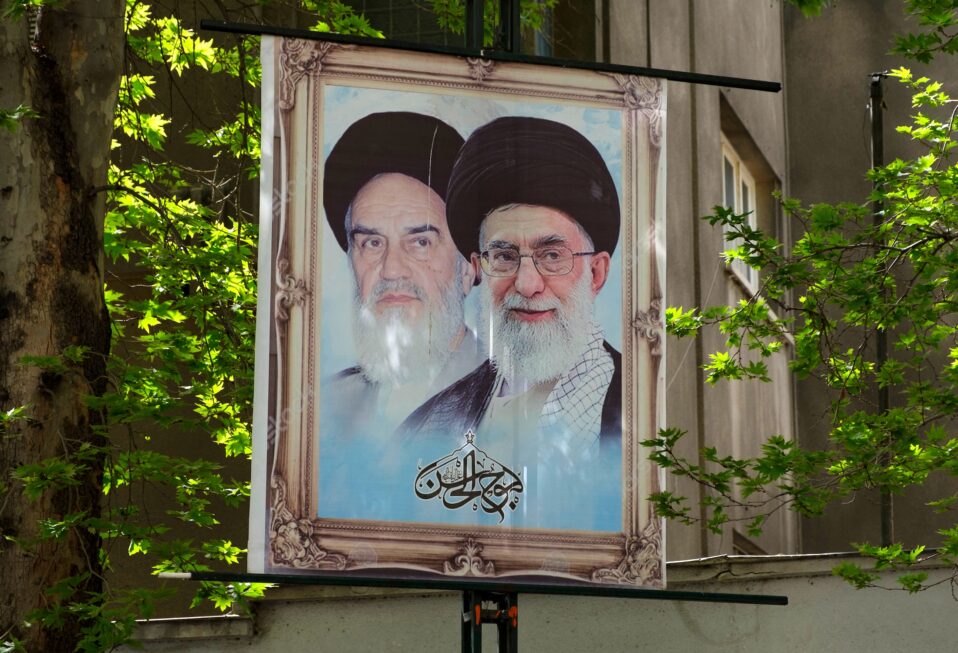
From Haman to the Ayatollahs: Purim’s Warning for Today
Purim, the beloved Feast of Esther, begins at sundown on March 2 and ends at sunset on March 3. Each year Jewish communities around the world celebrate the courage of Queen Esther and her kinsman Mordechai, who rescued their people from annihilation in ancient Persia. The Book of Esther recounts how Haman, a power-hungry royal official under King Ahasuerus, plotted genocide against the Jews.
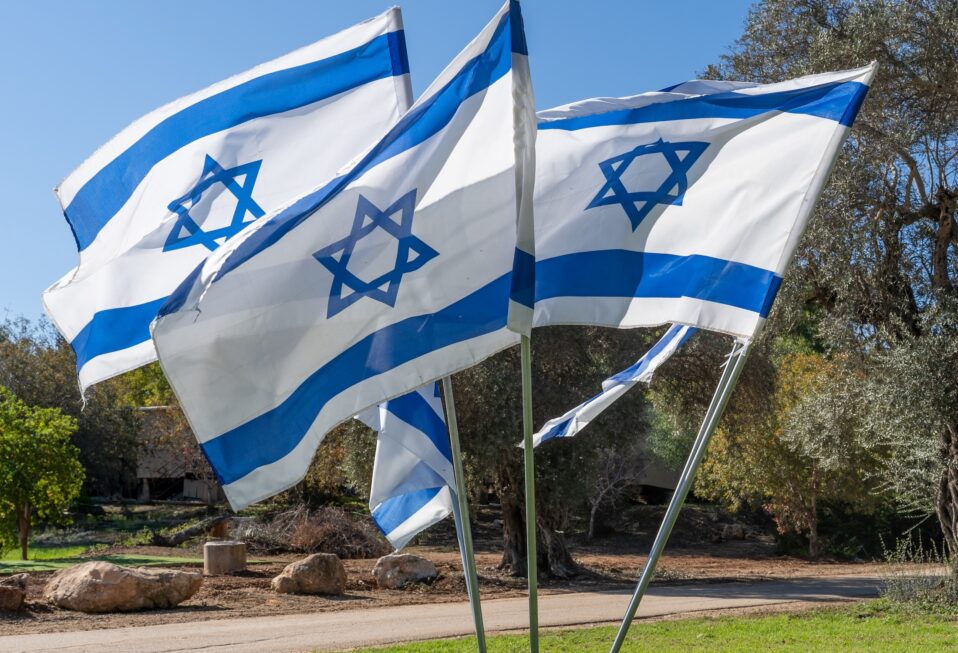
The Biblical Heartland and the Battle for Sovereignty
By Arlene Bridges Samuels The world’s population now exceeds eight billion and continues to grow. In the Middle East alone, seventeen Arab nations account for more than 515 million people. By contrast, Israel has just reached a population of about ten million, including a Jewish majority of slightly more than seven million. Yet this small nation, the world’s only Jewish state, faces intense international outrage over its policies concerning Judea and Samaria. That fury persists even though this region is the very terrain where Abraham walked, where King David ruled, and where Israel’s prophets proclaimed God’s word. Many of the world’s 193 nations are not merely criticizing policy decisions. They are attempting to dictate Israel’s future and, in some cases, to deny its right to exist. The Bible’s narrative makes clear that the God of Abraham, Isaac, and Jacob established eternal promises connected to both the Jewish people and the land of Israel. Through the Jewish people, God transmitted the Scriptures and His redemptive plan to the world. Israel is the birthplace of the Christian faith. Judea and Samaria form the core of that biblical inheritance. No other nation holds that spiritual birth certificate. Why, then, has there been such international uproar over recent decisions by Israel’s parliament, the Knesset? As in any democracy, Israel’s policymaking process includes vigorous debate. In July 2025, 71 of the 120 Knesset members voted in favor of a declaration supporting increased Israeli sovereignty in Judea, Samaria, and the Jordan Valley. The declaration affirmed that this region is the historic, cultural, and spiritual homeland of the Jewish people, where the foundations of Jewish faith and identity were laid. It referenced ancient cities such as Hebron, Shechem, Shiloh, and Beit El as living expressions of continuous Jewish presence, not mere archaeological relics. That same month, the Knesset passed a preliminary reading of opposition bills seeking to extend Israeli legal sovereignty to Judea and Samaria. Though contentious, the measures advanced for further deliberation in the Foreign Affairs and Defense Committee. The proposed language stated that the law, jurisdiction, administration, and sovereignty of the State of Israel would apply to Judea and Samaria. Criticism intensified again on February 9, 2026, when Israel’s security cabinet approved measures to strengthen administrative and legal oversight in the region. These measures removed bureaucratic barriers to land purchases, allowing Israelis to buy property in areas long restricted under older legal frameworks. The stated goal was to normalize civilian life for more than 500,000 Jewish residents of the heartland. To understand Israel’s reasoning, historical context is essential. Following the 1948 War of Independence, Jordan controlled Judea and Samaria from 1948 to 1967. During that period, Jordanian law prohibited land sales to Jews. After neighboring Arab states launched the Six-Day War in 1967, Israel regained control of the territory and reunified Jerusalem. However, many of the Jordanian legal structures remained in place for decades. The recent Knesset actions seek to address those outdated laws and align governance with Israel’s sovereignty as a Jewish state. International reaction has been swift and severe. Jordan’s Royal Committee for Jerusalem Affairs warned that silence toward Israel would replace international
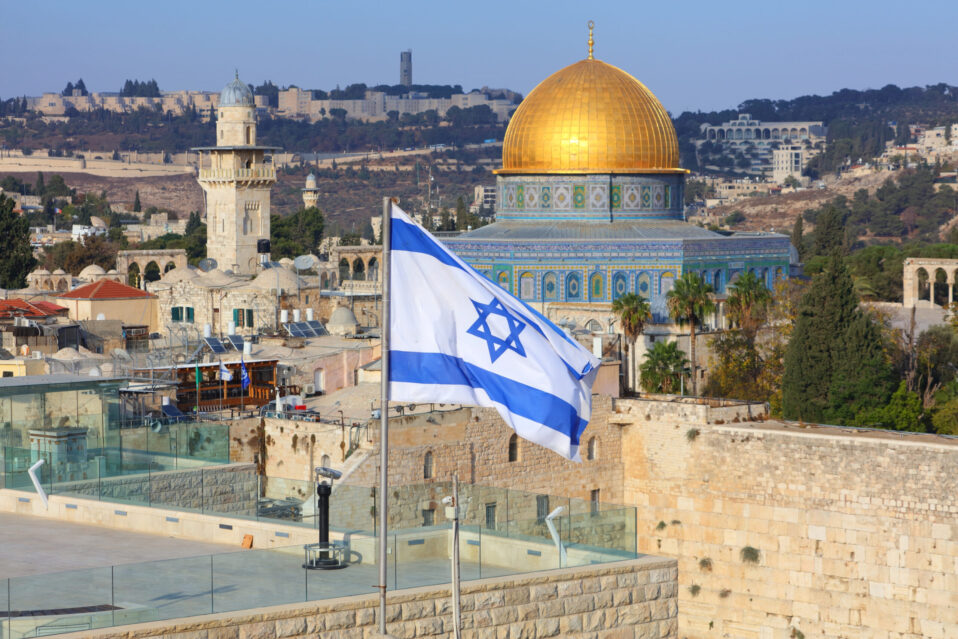
Remarkable Israeli Facts: A Triumph of Shared Humanity
Global Jew hatred is rising at an alarming rate, yet the everyday realities that reveal the heart of Israeli society are often ignored.
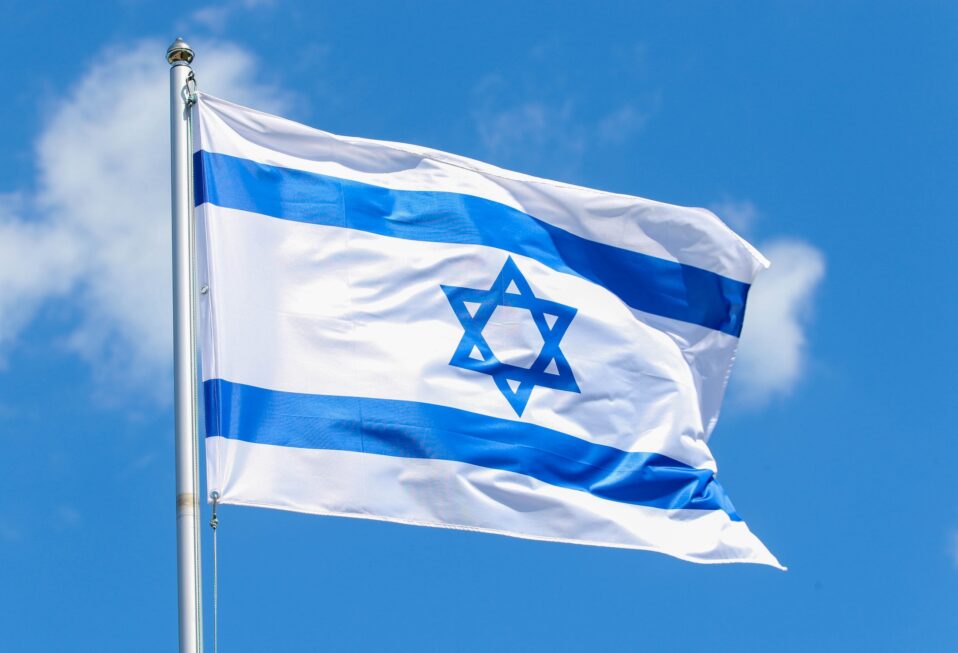
Zionist: A Word Branded as Toxic—But Should It Be?
The word Zion (Hebrew Tzion, pronounced tzee-YOHN) appears more than one hundred and fifty times in the Bible. It is used for fortress, monument, the City of David, the City of God, and Jerusalem itself.