

By Stephen Faircloth
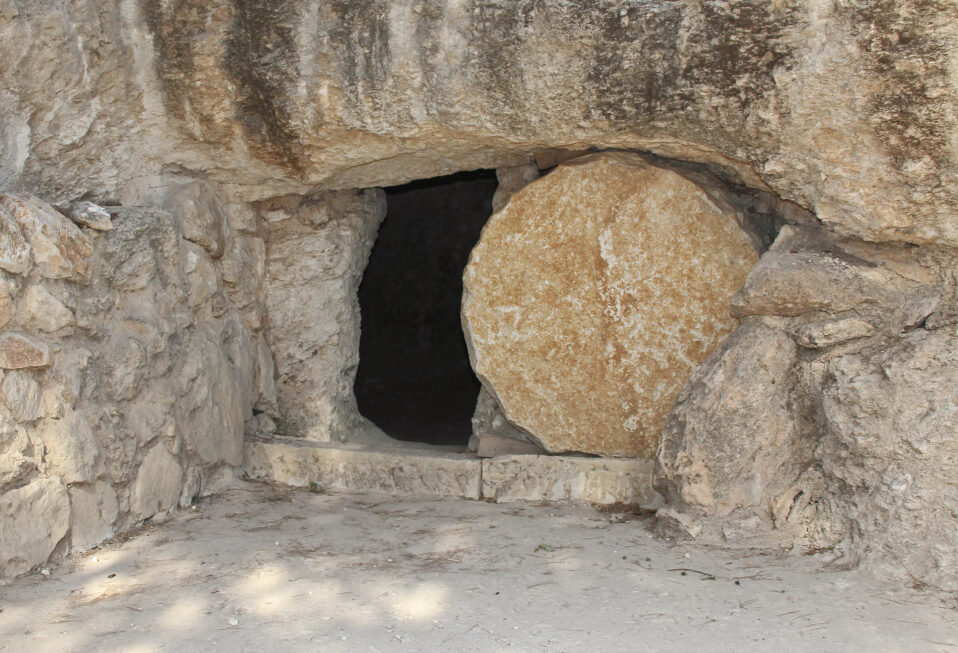
“When Joseph had taken the body, he wrapped it in a clean linen cloth and laid it in his own new tomb… and he rolled a large stone against the entrance of the tomb” (Matthew 27:5-60).
For many readers of the Bible, the details surrounding Jesus’ burial draw both curiosity and wonder. The Gospels tell us that He was placed in a new tomb, one in which no one had yet been laid. While they do not describe every feature of that tomb, archaeology and history help us understand the world in which this moment took place.
In the first century, Jewish burial practices followed patterns shaped by faith, tradition, and reverence for the dead. Tombs were typically carved into the soft limestone hills surrounding Jerusalem. These were not simple graves, but family burial chambers, used over time by generations.
The most common type of tomb included narrow recesses cut into the rock, where bodies were laid to rest. These chambers were often low and dim, requiring a person to stoop as they entered. Inside, the stillness and quiet spoke of both finality and hope, a place where the body rested as families remembered their loved ones.
After a period of time, when only bones remained, they were carefully gathered and placed into small stone boxes known as ossuaries. These were often inscribed with names, sometimes simply scratched into the surface by family members in the dim light of the tomb. Even in death, there was care, identity, and remembrance.
Another type of tomb, less common and more costly, included carved benches with arched ceilings. These provided space for the body to be laid in a more open setting within the chamber. The Gospel accounts suggest that Jesus was buried in a new tomb of this kind, prepared but unused, set apart for a moment that would change history.
Understanding these burial customs brings the story of Jesus’ death into sharper focus. He was placed in a real tomb, in a real place, according to the customs of His time. The stone was rolled in front. The burial was complete. And yet, it was not the end.
What makes the tomb of Jesus different from every other tomb is not its structure, but its outcome. Every other burial chamber held the remains of those who had died. But on the third day, the tomb of Jesus was empty. The place that symbolized death became the place where life broke through.
These ancient burial practices remind us of the weight and reality of death in the human experience. Yet they also point us toward something greater. In the midst of grief, loss, and finality, God acted in a way no one expected. He brought life out of death.
When we reflect on these tombs, carved into stone and sealed with care, we are reminded that what seems final to us is not final to God. The same power that raised Jesus speaks hope into every place of loss and despair.
The tomb was real. The burial was real. But so was the resurrection. And because of that, even in the face of death, we do not stand without hope.
Stephen Faircloth is the President of CBN Israel, an initiative dedicated to sharing the true story of the Jewish nation and inspiring a global community of Christians to stand with Israel and support her people in need. Our vision is to reshape the global conversation about Israel by fostering understanding, hope, and healing between Jews and Christians around the world. For more than 50 years, the Christian Broadcasting Network has supported Israel. By joining CBN Israel, you become part of this enduring legacy, transforming lives today and strengthening Christian support for Israel for generations to come.