



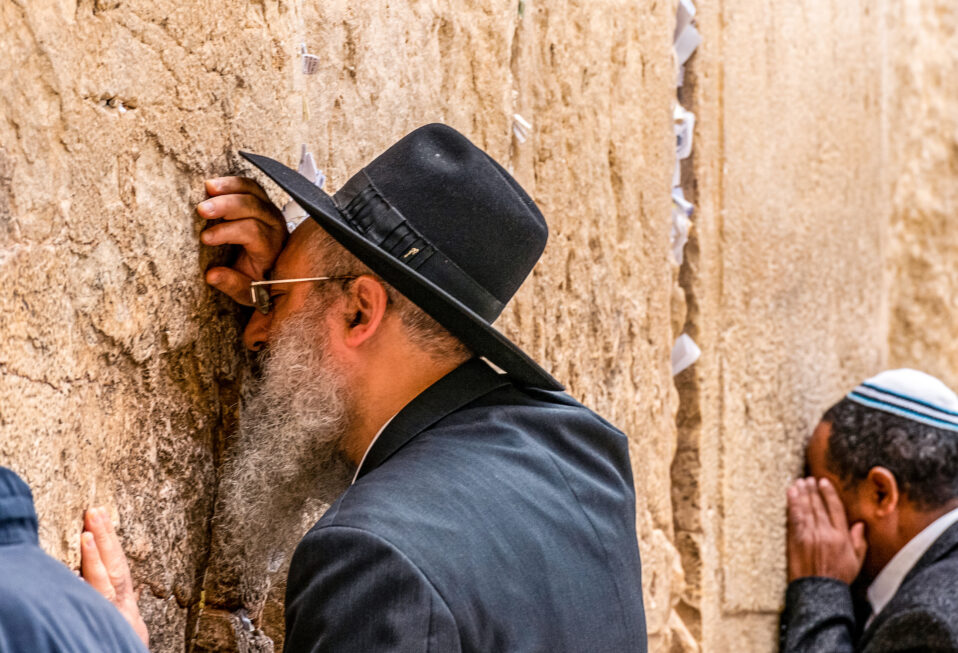
“How long, LORD? Will You forget me forever? How long will You hide Your face from me?” (Psalm 13:1).
One of the most striking things about Scripture is its honesty. It does not hide the struggles of faith or present a polished version of spiritual life. Instead, it gives us real voices, real emotions, and real questions. Psalm 13 is one of those moments.
The psalmist does not begin with calm assurance or quiet confidence. He begins with a cry. “How long?” It is the question of someone who feels forgotten, overwhelmed, and worn down by the weight of waiting. His thoughts are filled with anxiety. His heart carries daily sorrow. His circumstances seem unchanged, and God feels distant.
Many of us know that feeling. There are seasons when God seems silent. Prayers go unanswered. Circumstances linger longer than we expected. We begin to wonder if He sees, if He cares, or if He will act. In those moments, it can feel easier to hide our emotions than to bring them honestly before Him.
But the Bible teaches us something different. It invites us to speak. The psalms are filled with laments, expressions of sorrow, frustration, and even confusion directed toward God. This is not a lack of faith. It is a form of faith. It is choosing to bring our honest emotions to God rather than turning away from Him.
The psalmist models this for us. He addresses God directly. He names his pain without filtering it. He asks for help, pleading for God to act. There is no pretense, no attempt to sound more spiritual than he feels. And yet, he does not stay there. Something shifts.
After pouring out his complaint, the psalmist makes a choice. “But I have trusted in Your faithful love.” His circumstances have not changed. The tension is still present. But he anchors himself in what he knows to be true about God.
This is the heart of biblical lament. It allows space for honesty, but it leads us back to trust. Faith is not pretending everything is fine. It is bringing everything to God, even the things we do not understand. It is trusting His character when His presence feels hidden. It is remembering His past faithfulness and holding onto hope for what He will do.
When we learn to pray this way, something begins to change within us. We are no longer carrying our burdens alone. We are placing them in the hands of a God who listens, who cares, and who is still at work, even when we cannot see it.
Do you allow yourself to speak honestly with God? Do you bring your frustrations, your fears, and your questions before Him? You do not need perfect words. You need a willing heart.
God invites you to come as you are, to speak freely, and to trust Him fully. Even when the answer has not yet come, He is still faithful.
PRAYER
Father, You see the burdens we carry and the questions in our hearts. Help us to bring our honest emotions to You without fear. Teach us to trust in Your faithful love, even when we do not understand. Strengthen our hearts as we wait on You. Amen.





Post a comment