ARTICLES

Israel: Still a Light to the Nations with Tikkun Olam

By Arlene Bridges Samuels

“A lie will go round the world while truth is pulling its boots on.” A quote often attributed to famous British preacher C.H. Spurgeon (1834-1892), its origin—as Spurgeon himself said—has actually been lost to time. Nevertheless, we as believers who stand with Israel have a choice: We must press on to share truth!

World news headlines detonate day after day with slanderous information and unfounded rumors about and against Israel. A cloud of despicable lies, accusations, actions, and ignorance continues to ignite the fires of Jew-hatred across the globe. It is past time for good news, and there is plenty of it. That’s because despite its seven-front war, Israel has not neglected one of its key foundations: “repairing the world,” or tikkun olam.

For centuries, the concept of “repairing the world” has repeatedly motivated the Jewish people and the Jewish state. Tikkun olam has no boundaries.

By educating ourselves through two excellent Israeli humanitarian organizations—IsraAID and MASHAV—we gain the facts and tools we need to share good news about Israel “repairing the world.” Although this catch phrase cannot actually be found word for word in Scripture, the concept flows throughout the Bible. The Hebrew verb TKN, which is used only four times in Scripture, is defined “to make straight, establish, arrange, or repair.” One example in Leviticus 19:9-10 calls for “leaving gleanings for the poor and the foreigner,” a way to share resources. Let’s look at the way this plays out in the two charitable groups just mentioned.

IsraAID, founded in 2001, is an international non-governmental humanitarian aid organization. Its teams have worked in emergency and long-term development settings in more than 60 countries globally. IsraAID also provides critical help inside the Jewish homeland. For example, they have been working with local municipalities in central Israel since June. These towns are hosting some 2,000 people whose homes were damaged or destroyed when Iran targeted Israeli civilians in missile attacks on residential buildings. IsraAID has been providing not only mental health support to those displaced, but help with education and logistics, as well.

In the company’s 2024 Annual Report, the list of IsraAID’s accomplishments globally is nothing short of astonishing, given that Israel is fighting a defensive war against the Islamic Regime and its terror surrogates. The report mentions IsraAID’s long-term humanitarian missions—which now face more emergencies, including Guatemala’s migration crisis, violence in Kenya, and refugees fleeing the Democratic Republic of the Congo into Uganda. When Cyclone Chido hit Mozambique last December, Israel’s emergency teams quickly responded with help.

This humanitarian organization also sent its rapid-response teams to Papua New Guinea after a devastating landslide in May. Already working in South Sudan, IsraAID noted that they frequently deal with a “crisis within a crisis.” One example highlights this reality. Over 500,000 people escaping Sudan’s next-door conflict were crammed into South Sudan’s refugee camps. The overcrowding set the stage for last December’s cholera outbreak. Here in the United States, IsraAID has often sent emergency teams to help communities devastated by fires, floods, hurricanes, or tornadoes.

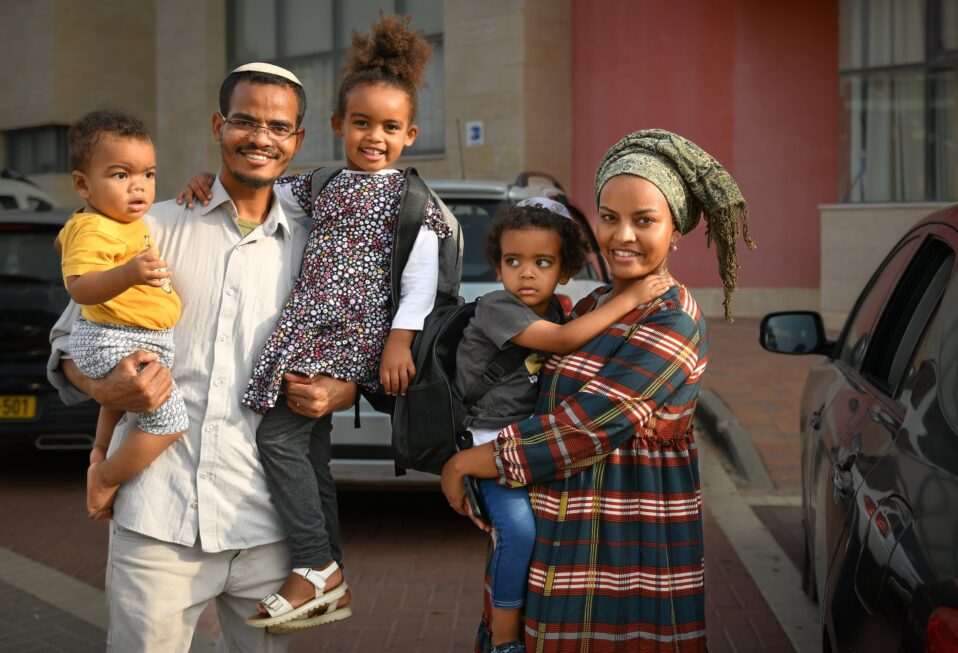
Reading about Israel’s far-reaching commitment to tikkun olam shows us these facts dramatically reveal how outrageous are accusations that “Israel is an apartheid state.” Misinformed protesters grab the first headline they see despite the fact that Israel itself is a multi-colored country with Ethiopian, Asian, and Hispanic Jews. The apartheid designation is absurd. In addition, a look at the geographical locations of IsraAID’s humanitarian outreaches shows us that Israel treats all people in all crises with aid wherever possible. That includes Gaza.

IsraAID’s CEO, Yotam Polizer, quips: “We are FILO, First In and Last Out.” For Israel, wrongly defamed at every turn, IsraAID is a shining example of Israel’s commitment to helping others. IsraAID “repairs the world” regardless of religion or ethnicity. Its staff and volunteers view others simply as people in need.

MASHAV is another shining example of Israelis repairing the world. Its official name is “Israel’s Agency for International Development Cooperation at Israel’s Ministry of Foreign Affairs.” This organization was created in 1958 by two Israeli visionaries: Prime Minister David Ben-Gurion and Golda Meir, his foreign minister and later a prime minister herself. Ben-Gurion and Meir applied tikkun olam—a dynamic Jewish cultural value—to share Israel’s expertise, particularly in technology, with other developing countries. After only 10 years as a modern independent nation, Israel was already reaching out in friendship with development aid to other countries. MASHAV’s mission: to help developing nations achieve sustainable development and transformation within their own societies. On X, MASHAV calls it #HumanCapacityBuilding to empower those living in poverty to improve their own lives.

Cooperative projects combine with other nations in strengths, experience, and expertise in 10 different priority sectors, among them food security and agriculture, education for all, medicine and public health, and innovation and entrepreneurship.

MASHAV’s statistics are astounding. With more than 50 training centers and demonstration projects worldwide, each year the organization sees 5,000 trainees take part in 160 training courses in Israel and abroad. In addition, it is involved in 100 short-term consultancy missions and has 35 ongoing partnerships with donor countries and international organizations. In fact, MASHAV’s practical and compassionate programs have made an impact in 140 out of 193 nations in our world—with over 300,000 graduates from their training programs.

Jews in their ancestral homeland number around 7.7 million in a population of 10 million. Israel makes IsraAID and MASHAV even more miraculous in blessing the family of nations. Shining into the darkness of nations in disaster or need, Israeli Jews are beacons of light, despite being beset with hatred and war themselves.

Tikkun olam is an observable, treasured Jewish value designed by God. He Himself in His sovereignty will “make straight, establish, arrange, or repair” our world for all who honor and believe His redemptive sacrifice for sins. Truth and tikkun olam will someday erase the cloud of lies. Let us be sure to do our part to repair the cloud of lies with truth and facts!

Our CBN Israel team welcomes you to join us this week to pray and to pass along facts about Israel reflecting on Matthew 5:16—“Let your light shine before others, that they may see your good deeds and glorify your Father in heaven.”

Prayer Points:

  • Pray with praises for Israel’s extraordinary tikkun olam worldwide!
  • Pray for friends, family, and social media to read this article due to your sharing.
  • Pray for pastors and churches drifting away from Israel support to read the facts.
  • Pray for Evangelicals to proactively share facts about Israel to spread good news.

Arlene Bridges Samuels is the weekly feature columnist for CBN Israel since 2020. Working on the staff of the American Israel Public Affairs Committee (AIPAC) as their SE Regional Outreach Director for nine years, International Christian Embassy Jerusalem USA engaged her as the Leadership Outreach Director part-time for their project American Christian Leaders for Israel. Arlene is an author at The Blogs-Times of Israel, is published at AllIsrael.com and The Jerusalem Connection, and has traveled to Israel since 1990. By invitation, she attends Israel’s Government Press Office Christian Media Summits as part of Christian media worldwide. In 2024, Arlene and her husband Paul co-authored Mental Health Meltdown: Illuminating the Voices of Bipolar and Other Mental Illnesses. www.TheMentalHealthMeltdown.com.


Read more

Read more

Feeding Hope in a Time of Crisis

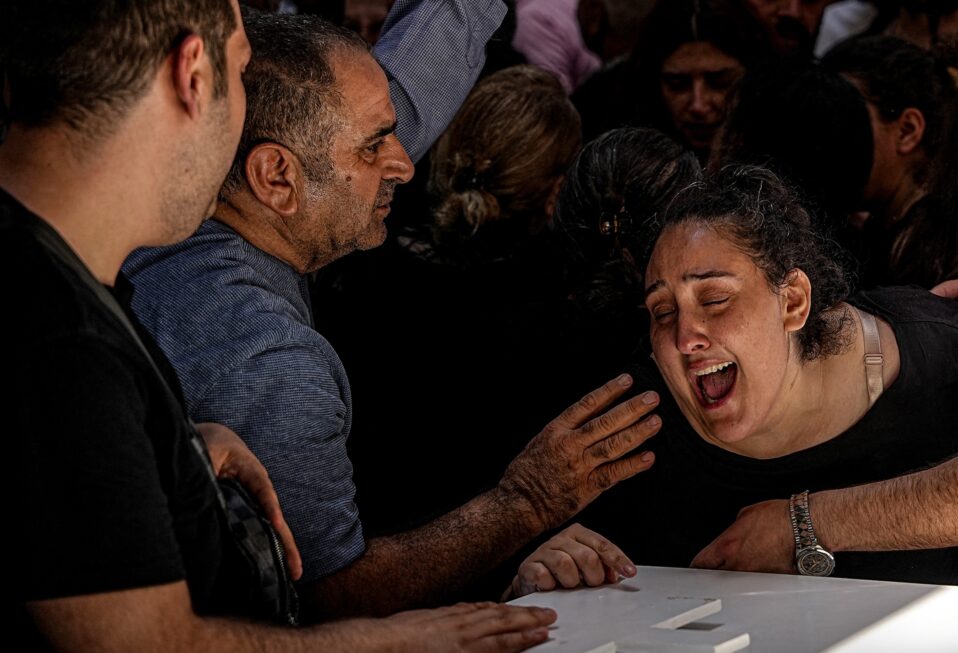
After nearly two years of ongoing war, life remains uncertain for many families across Israel. Though the headlines may fade, the daily struggles of vulnerable communities persist. In cities like Beersheva, where missile attacks have struck hard in recent months, countless people are still trying to recover.

Among those affected most are single mothers, elderly widows, refugees, and those living with the scars of war. And with jobs lost and schools repeatedly disrupted, many parents continue to face impossible choices, especially when it comes to putting food on the table for their children.

But because of caring friends like you, they are not facing this hardship alone. Thanks to the compassion and generosity of donors, CBN Israel’s food distribution team continues to partner with local ministries across the country to deliver groceries and hygiene items. In Beersheva, mobile distribution centers are set up to meet families right where they are, bringing practical help and renewed hope.

Mariana Gol, who leads a local aid group, described the impact donors are making. She said, “Because of everything our families have been through over the past two years, we are trying to support and encourage them. And CBN Israel continues to bring food and essentials for them. Some have not been able to work during the war and found themselves in an even greater economic struggle.”

Your gift makes it possible for families who have endured trauma and displacement to receive the urgent care they need. Your support helps restore dignity by providing food, clothing, housing, financial aid, counseling, and compassion.

Please join us in standing with Israel’s most vulnerable people and showing them that they are not forgotten.

GIVE TODAY

Read more

Capernaum: Meeting Jesus in the Everyday

By Stephen Faircloth

Nestled along the northern shore of the Sea of Galilee, the ancient village of Capernaum was once a quiet fishing town that became a pivotal center for Jesus’ ministry, where He taught His fellow Jews and performed many remarkable miracles.

Although largely unknown in earlier historical records, Capernaum bursts onto the biblical scene in the Gospels as a place of extraordinary significance. Apart from Jerusalem, no other location is mentioned more frequently. Referred to by Matthew as Jesus’ “own city” (Matthew 9:1), it became His home base during His Galilean ministry, a hub for healing, teaching, and transformation.

Here, Jesus healed the sick, cast out demons, raised the paralyzed, and restored the broken. He taught in the synagogue, even honoring the faith of a Roman centurion who had helped build it (Luke 7:5). In Capernaum, divine power met human need on a daily basis.

Modern archaeological discoveries have brought new depth to our understanding of this sacred village. Excavations have revealed first-century homes built in a clustered courtyard style known as an insula, where multiple generations lived and worked around shared space. These homes help us visualize Gospel scenes: friends lowering a paralytic through a roof, neighbors crowding doorways to hear Jesus speak, meals shared in intimate settings.

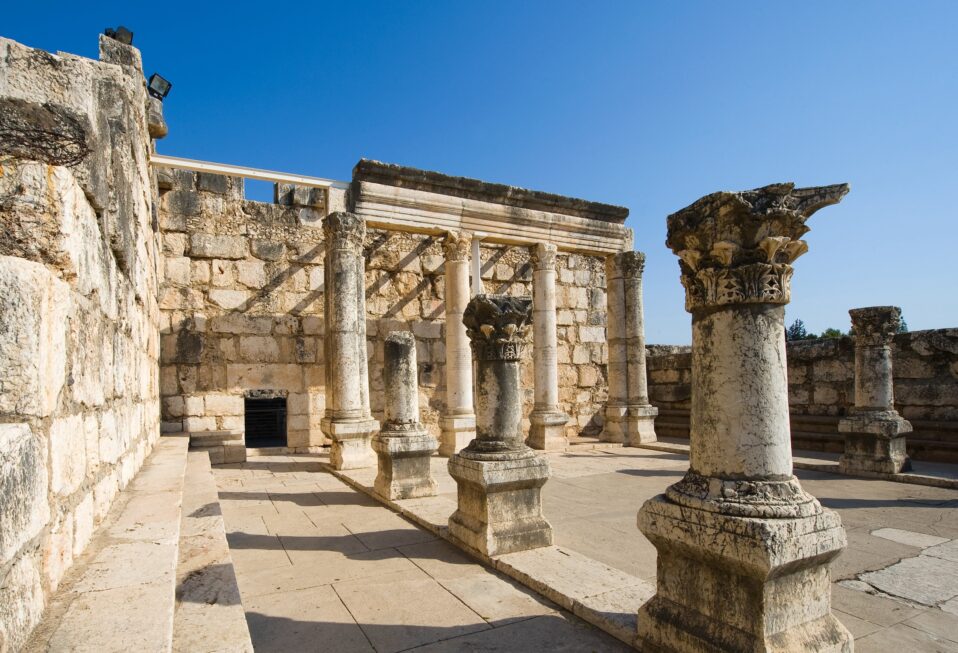
The synagogue standing today, made of bright limestone, was likely constructed centuries after Jesus walked its streets. But beneath its foundation, black basalt stones hint at an earlier structure, possibly the synagogue where Jesus Himself once read and taught. Nearby, under a modern church, lie the remains of an ancient house that transitioned into a place of worship by early Christians, possibly the very home of Simon Peter.

While time has worn away the original walls, the message of Capernaum remains: God stepped into ordinary places. He didn’t choose temples of grandeur, but village homes and fishing docks to unveil His glory. He moved into the rhythms of daily life, healing, teaching, forgiving, and calling people to follow Him.

Capernaum invites us to see our own spaces, our homes, workplaces, and neighborhoods, as potential places where heaven still touches earth. The same Jesus who walked through its dusty paths walks with us today, desiring to heal, to teach, and to dwell among His people.

Where has Jesus made His home in your life? Are you open to Him working through the everyday spaces around you? What would it look like for your home or community to become a modern-day Capernaum, a place of healing, hope, and holy presence?

Stephen Faircloth is the President of CBN Israel, an initiative dedicated to sharing the true story of the Jewish nation and inspiring a global community of Christians to stand with Israel and support her people in need. Our vision is to reshape the global conversation about Israel by fostering understanding, hope, and healing between Jews and Christians around the world. For more than 50 years, the Christian Broadcasting Network has supported Israel. By joining CBN Israel, you become part of this enduring legacy, transforming lives today and strengthening Christian support for Israel for generations to come.

Read more

Read more

Masada: Fortress in the Wilderness

By Stephen Faircloth

High above the barren shores of the Dead Sea, the rocky plateau of Masada rises like a sentinel in the desert. Though it receives barely an inch of rain each year, Herod the Great transformed this remote outcrop into one of the most impressive fortress-palaces of the ancient world.

Herod spared no expense. He built two palatial complexes, one cascading dramatically down the northern slope, the other on the western side. Both contained storerooms, living quarters, Roman-style bathhouses, and lavish decorations fitting for a king. Ingenious channels and cisterns captured scarce rainfall, storing millions of gallons of water. Even in the wilderness, Herod ensured he could enjoy pools and gardens.

Yet Masada’s fame does not rest on Herod’s luxuries. Its name is forever tied to the First Jewish Revolt. According to Josephus, Jewish rebels known as the Sicarii sought refuge on Masada after Jerusalem’s destruction. When the Roman Tenth Legion laid siege and finally breached the fortress, they discovered the defenders had chosen death over slavery. Though historians debate the exact details, the story endures as a haunting symbol of desperation, courage, and loss.

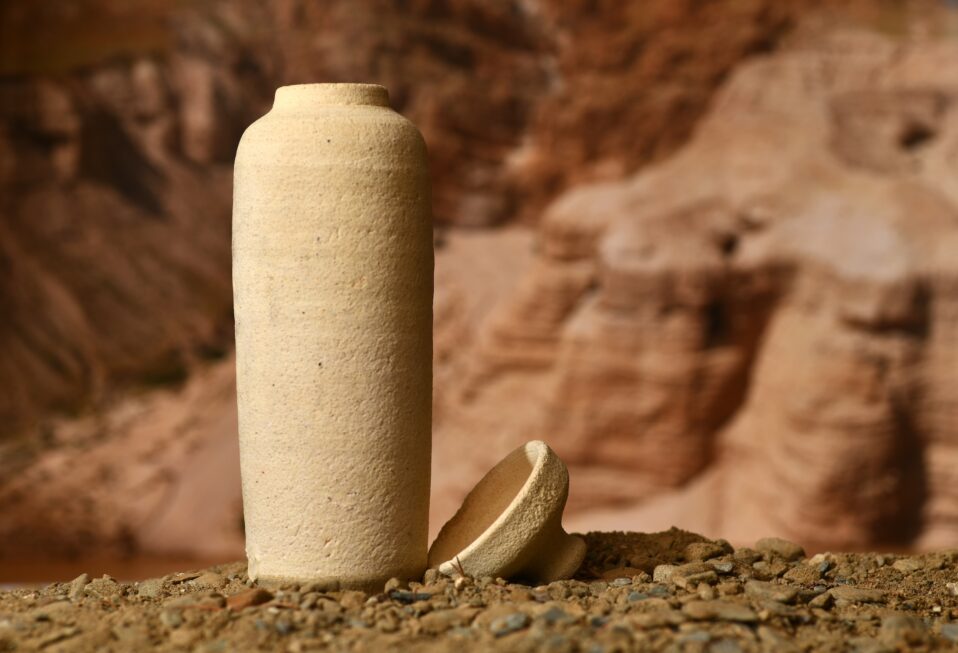
Archaeology confirms the presence of those rebels. Herod’s opulent rooms were repurposed for survival. A donkey stable was converted into a simple synagogue, where fragments of scrolls were discovered. Some contained portions of Scripture, others preserved Jewish writings such as Ben Sira. Even in their final days, these men clung to the Word of God as their anchor.

Masada is a place of contrasts. It tells of human ambition in Herod’s stone palaces. It speaks of human defiance in the rebels’ last stand. And it whispers of faith in the scrolls left behind, even as hope seemed lost.

The lesson of Masada is clear. Human fortresses, no matter how strong, cannot ultimately save us. Walls crumble. Armies march. Even the most secure refuge can fall. But Scripture reminds us of a greater truth: “God is our refuge and strength, a very present help in trouble” (Psalm 46:1). Unlike Masada, His protection never fails.

Trusting in God as our true refuge means more than just calling on Him in times of crisis. It is choosing daily to lean on Him instead of our own strength, to surrender our fears instead of building walls around them, and to let His Word be the anchor of our hearts. Where Masada crumbled, God’s presence remains unshakable.

Where do you look for safety when life feels uncertain? Are you building your own fortress, or are you learning to rest in God as your refuge?

Stephen Faircloth is the President of CBN Israel, an initiative dedicated to sharing the true story of the Jewish nation and inspiring a global community of Christians to stand with Israel and support her people in need. Our vision is to reshape the global conversation about Israel by fostering understanding, hope, and healing between Jews and Christians around the world. For more than 50 years, the Christian Broadcasting Network has supported Israel. By joining CBN Israel, you become part of this enduring legacy, transforming lives today and strengthening Christian support for Israel for generations to come.

Read more

Home

The 700 Club Israel

This week on The 700 Club Israel, Gordon Robertson uncovers the clash between Jews and the Roman Empire, the resilience it produced, and the hope that endures to this day.

Discover the history of Jewish resistance against Rome, walk the newly uncovered Pilgrimage Road in Jerusalem, meet an immigrant-turned-leader helping families in Tel Aviv, and see how CBN Israel is supporting communities in crisis with food, counseling, and care.

Through each story, you will witness the unshakable faith and extraordinary strength of the Israeli people, choosing life, community, and courage across the centuries.

MAKE A DIFFERENCE WITH CBN ISRAEL

CBN

ISRAEL

For more than 50 years, the Christian Broadcasting Network (CBN) has faithfully and boldly stood with Israel and the Jewish people.

When you partner with CBN Israel, you become part of this enduring legacy—honoring God’s promises, defending truth, and helping shape the future of Israel advocacy for generations to come.

JOIN TODAY!

RECENT POSTS

Under Fire: Passover and Palm Sunday

For the first time in Israel’s modern history, the nation is under direct missile attack from the Islamic regime itself. As Passover approaches, Jewish families once again face the reality of observing their most sacred season under the shadow of war....

Read more

Passover: A Story of Freedom, Memory, and Meaning

For thousands of years, the Jewish people have told the story from the book of Exodus on the eve of Passover, “the fourteenth day of the first month” (Leviticus 23:5) in a special meal with symbolic food called a Seder, which means “order” in Hebrew. There are many traditions from…...

Read more

Weekly Devotional: Welcoming the King We Do Not Fully Understand

As Jesus made His way up to Jerusalem for Passover, He walked a familiar path. Year after year, faithful Jews journeyed to the city to remember God’s deliverance....

Read more

RECEIVE DEVOTIONALS AND NEWS UDPATES FROM ISRAEL

PRAY FOR ISRAEL

Prayer is one of the most powerful ways we can support Israel. Here are 25 meaningful ways you can pray for the people and the nation of Israel.

Your support of Israel today makes you part of the redemptive story God is telling through His people.

Take Action NOW. Join US Today.

Read more

Weekly Devotional: At the Crossroads: Positioned for Purpose

Have you ever paused to consider why God moved Abraham from the bustling cities of Mesopotamia to the relatively undeveloped land of Canaan? Or why the prophet Samuel always returned to Ramah to judge Israel? Or why Paul remained in the pagan city of Ephesus for more than two years during his missionary journeys?

There’s a common thread woven through these stories—geography. All of these places were positioned at strategic crossroads of the ancient world.

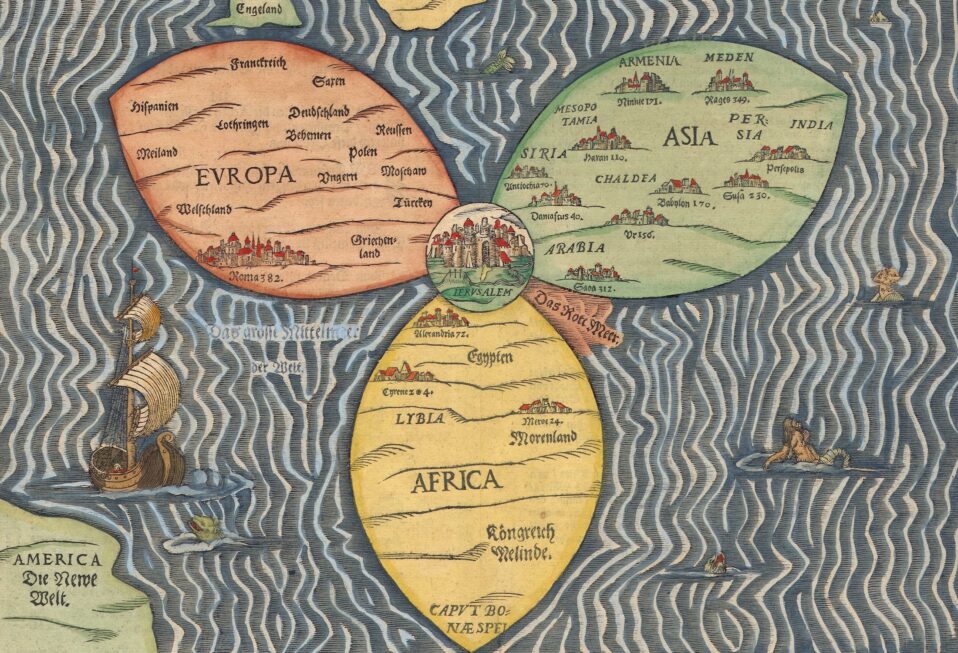
Canaan, for example, wasn’t just a piece of land; it was the land bridge connecting Africa and Asia, situated between the superpowers of Egypt and Mesopotamia. It was the physical and cultural intersection of nations, commerce, and influence. To live there was to live where the world passed by.

Samuel’s hometown of Ramah was another strategic location—set at the junction of key trade and travel routes through the hill country of Israel. By basing himself there, he remained accessible to the people. Israel could hear the Word of the Lord at the center of their daily movements.

Paul chose Ephesus, a major city in the Roman Empire and home to the famous Temple of Artemis. Positioned along critical trade routes, it welcomed merchants, travelers, and worshipers from across the empire. Instead of avoiding the cultural noise of a pagan city, Paul met it head-on—with truth, boldness, and the gospel of Jesus.

These were not random places. God’s positioning of His people was deliberate. He placed them at physical and cultural intersections—crossroads—so their lives could influence as many others as possible. Their mission was not only to obey Him, but to reflect His glory in full view of the world.

That calling hasn’t changed. God still places His people at crossroads today—places of influence, connection, tension, and opportunity.

Maybe your crossroads is a busy workplace, a diverse neighborhood, a university campus, or an online community. Wherever He has placed you, your presence has purpose.

You are not where you are by accident. The question is—will you live obediently at your crossroads? Will you be faithful where the world intersects with your life, shining His light and declaring His kingship?

PRAYER

Father, open my eyes to the places where You’ve positioned me. Help me not to shrink back from influence, but to live boldly and obediently, reflecting You in the crossroads of my life. Amen.

Read more

Read more

Weekly Devotional: The Mark of True Discipleship

“Carry one another’s burdens; in this way you will fulfill the law of Christ” (Galatians 6:2).

What does it mean to truly follow Jesus? Paul’s answer in Galatians is both simple and profound: we fulfill the law of Christ by carrying one another’s burdens. This is not an optional suggestion but a central mark of discipleship.

Jesus Himself said, “By this all will know that you are My disciples, if you have love for one another” (John 13:35). Love is the evidence of true discipleship. But this love is not abstract. It takes the shape of action. To love in this way means entering into another person’s struggle, offering support, encouragement, and compassion when life feels too heavy for them to carry alone.

Such love requires more than polite words or surface-level relationships. It calls for proximity and presence. It means choosing to walk alongside others, listening to their pain, sharing in their struggles, and letting them know they are not forgotten. This kind of burden-bearing only happens when we slow down, notice those around us, and allow our lives to intersect in genuine care.

The law of Christ stands in stark contrast to the values of our self-centered, fast-paced culture. Yet if we are not daily seeking to love one another as Jesus commanded, can we honestly call ourselves His disciples? Loving others is not about comfort or convenience. Jesus’ parable of the Good Samaritan reminds us that being a neighbor means showing mercy, even to those who are different from us or difficult to love (Luke 10:29-37).

To be a disciple is to imitate the heart of Jesus, who bore the greatest burden of all on the cross. As His followers, we are called to bear the burdens of others, whether they are friends, neighbors, or even enemies. This is what sets His people apart. This is the mark of true discipleship.

Who around you is weighed down today? Are there practical steps you can take to help carry their burden, even if only for a moment? Loving well may be the clearest testimony of your faith.

PRAYER

Father, open my eyes to the needs of those around me. Fill my heart with compassion so I may share in their burdens and reflect the love of Christ. Teach me to walk in Your way of love each day. Amen.

Read more