

ARTICLES

Rediscovering the Wonder of God

“Oh LORD, our Lord, how majestic is Your name in all the earth! … When I consider Your heavens, the work of Your fingers, the moon and the stars, which You have set in place, what is mankind that You are mindful of them?” (Psalm 8:1, 3-4).

Life has a way of overwhelming us. The constant demands, the noise of daily responsibilities, and the weight of troubling news can leave us feeling exhausted and disconnected. It becomes easy to move from one moment to the next without ever pausing to reflect, to breathe, or to remember who God is.

Even in the ancient world, life was not easy. Survival required constant effort, and uncertainty was a daily reality. Yet in the middle of that struggle, the psalmist chose to stop. He lifted his eyes beyond his circumstances and allowed himself to be overwhelmed, not by fear or stress, but by the majesty of God.

As he looked at the heavens, the moon, and the stars, he saw more than beauty. He saw the handiwork of a Creator whose power and greatness stretched far beyond human understanding. And yet, in that same moment, he was struck by something even more profound: this great and majestic God cares for us. That realization creates awe.

True awe is more than a passing feeling. It is a moment when we step outside of ourselves and recognize the greatness of God. It reminds us that we are not at the center of everything, yet we are deeply known and cared for by the One who is.

We often use the word “awesome” casually, applying it to everyday experiences. But Scripture invites us into a deeper encounter. Awe is not something we manufacture. It is something we experience when we slow down enough to notice God.

When was the last time you truly paused? Not just a quick glance at the sky, but a moment to really look. To step away from distractions. To let your mind settle and your heart become aware of God’s presence. In those moments, perspective begins to shift. The pressures of life may not disappear, but they no longer define everything.

A renewed sense of awe reconnects us. It reminds us that God is greater than our circumstances, wiser than our questions, and more present than we often realize. It draws us out of numbness and into awareness. It restores a sense of wonder that can easily be lost in the routine of life. Creating space for awe is not a luxury. It is a necessity for the soul.

Take a moment today. Lift your eyes. Look at the world God has made. Let His creation remind you of His power, His care, and His nearness. Allow yourself to be still long enough to recognize His majesty. In that moment, you may find your heart renewed.

PRAYER

Father, open our eyes to see Your majesty in the world around us. Help us slow down and create space for awe. Remind us that You are greater than our circumstances and that You care for us deeply. Amen.

Read more

Parashat Korach (קֹרַח) “Korah”

This week’s Torah reading is Parashat Korach (Numbers 16:1 to 18:32). Read on Shabbat, June 13, 2026 / 5 Tammuz 5786. The following is a special devotional drawn from this week’s reading.

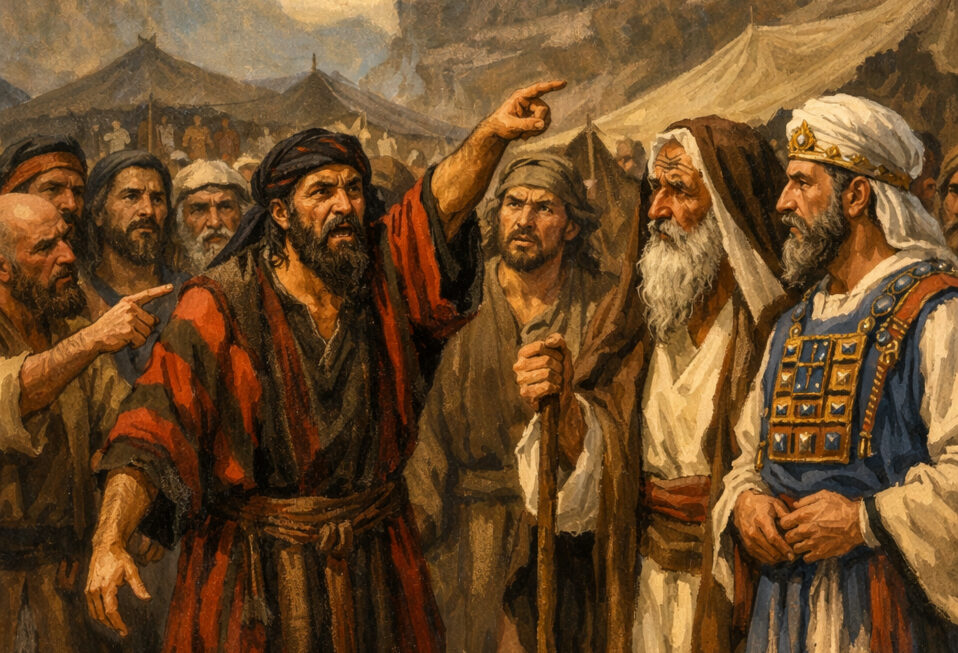
“They incited a rebellion against Moses, along with 250 other leaders of the community, all prominent members of the assembly” (Numbers 16:2).

Parashat Korach begins with rebellion. Korach and his followers challenge the leadership of Moses and Aaron, questioning the roles God had assigned to them. What begins as a dispute over authority soon reveals a deeper issue: a refusal to trust God’s wisdom and His ordering of the community. Rather than seeking God’s will, the rebels seek to elevate themselves. The result is division, confusion, and judgment.

In the aftermath of the rebellion, God provides a remarkable sign. A staff from each tribe is placed before Him in the Tent of Meeting. By morning, Aaron’s staff alone has come to life. It not only sprouts but produces blossoms and ripe almonds. What was once a lifeless piece of wood becomes a symbol of God’s choice, affirmation, and power to bring life where none existed.

This miracle teaches an important lesson. God does not establish His purposes through human ambition or self-promotion. He calls, appoints, and equips according to His wisdom. Aaron’s staff did not produce fruit through its own effort. It blossomed because God breathed life into it. In the same way, lasting fruitfulness comes not from striving for recognition but from remaining faithful to the place where God has called us.

Many people spend considerable energy comparing themselves to others, wishing for different responsibilities or opportunities. Korach reminds us that discontent can easily take root when we focus more on another person’s calling than our own. God has a unique purpose for every individual. Faithfulness is not measured by prominence but by obedience.

There are seasons when our efforts seem unnoticed and our service feels ordinary. The budding staff offers encouragement in those moments. God sees what others may overlook. He is able to bring unexpected fruit from quiet faithfulness. The growth may not happen according to our timetable, but His purposes never fail.

As this Shabbat arrives, reflect on the areas of life where God has placed you. Rather than striving for recognition or comparing your journey to someone else’s, seek to be faithful with what has been entrusted to you. Trust that God is able to bring life, growth, and fruitfulness in ways you cannot yet see. His calling is always accompanied by His sustaining grace.

PRAYER
Lord, help me trust Your wisdom and Your calling for my life. Guard my heart from comparison, pride, and discontent. Teach me to serve faithfully where You have placed me, trusting that You will bring forth fruit in Your perfect time. Amen.

Read more

Finding Light After October 7

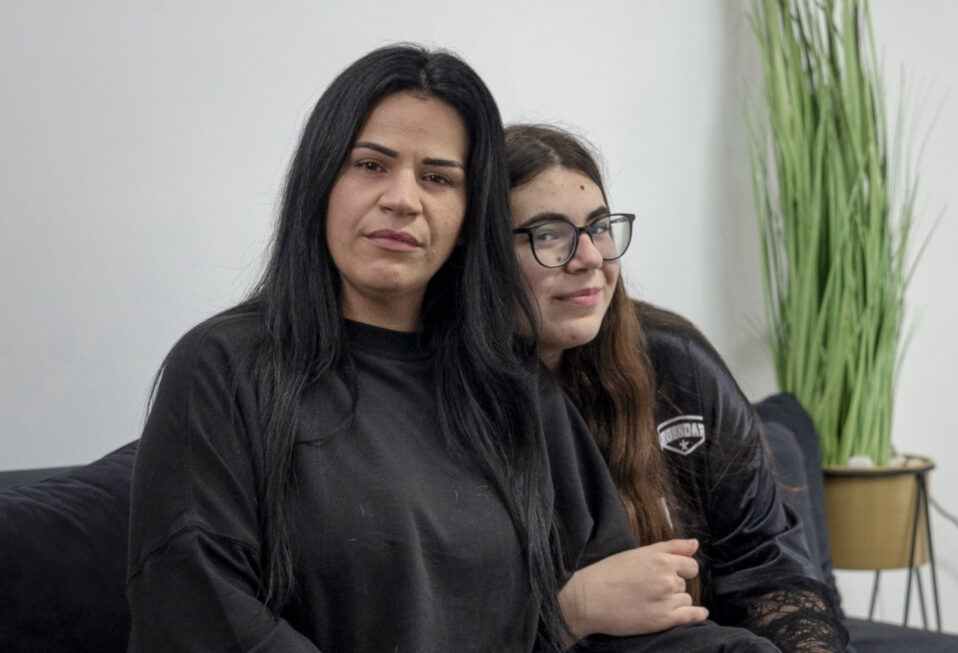
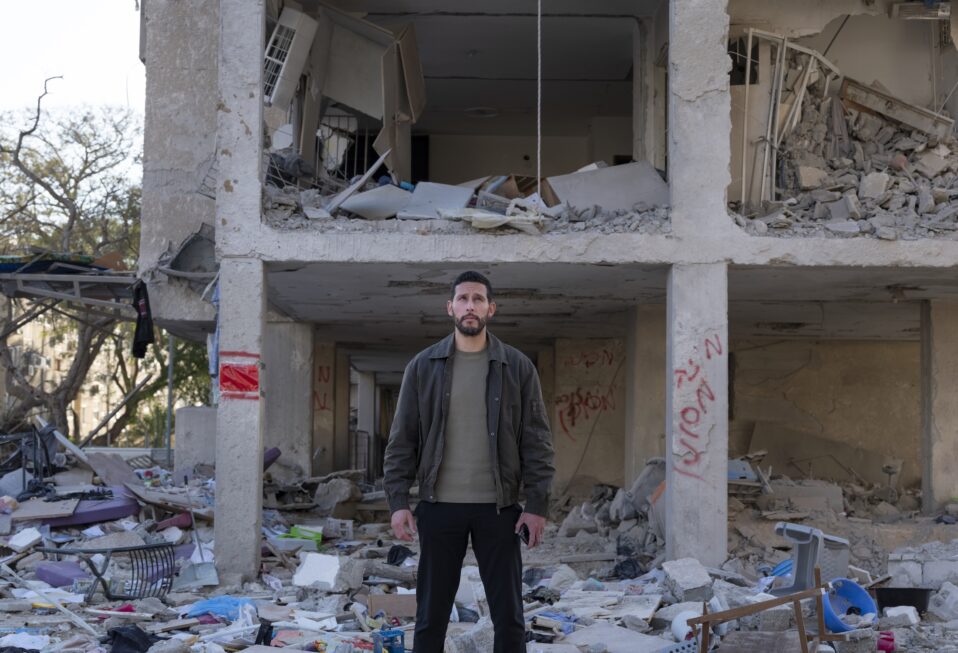
On October 7, 2023, life changed forever for dozens of Israeli families. When Hamas terrorists invaded southern Israel and abducted innocent civilians, parents, spouses, and children were thrust into a nightmare of uncertainty. The days that followed were filled with anguish, unanswered questions, and desperate prayers for their loved ones’ return.

Some families later received devastating confirmation that those they cherished had been killed. Others experienced the emotional homecoming of relatives released from captivity. Yet even in moments of reunion, the trauma did not simply fade away. The scars of captivity, fear, and loss remain deeply etched in their hearts.

Today, many of these families continue walking a difficult road toward healing. Sleepless nights, anxiety, and overwhelming grief have become part of daily life. But in the midst of this struggle, compassionate friends are helping to make restoration possible.

Through the faithful support of donors, CBN Israel and trusted local partners are providing therapeutic retreats designed specifically for former hostages and their families. In the peaceful surroundings of Eilat, nestled between desert mountains and the Red Sea, participants are welcomed into a safe and caring environment. Professional therapists, trauma counselors, and social workers guide small groups through conversations, reflection, and personalized care.

These retreats also offer practical assistance such as legal guidance, financial counseling, and career support. By addressing both emotional and real-world challenges, this comprehensive approach helps families regain stability and hope.

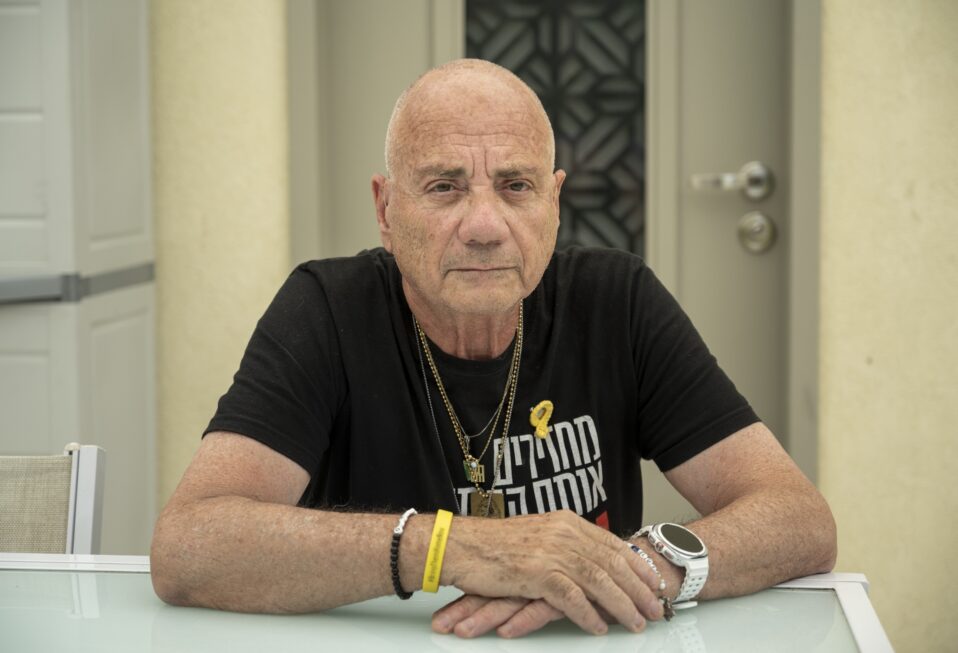
One father, speaking through tears, shared, “This retreat has meant more than I can say. I am so thankful to everyone who made it possible.”

Because of your generosity, survivors and their loved ones are discovering that healing is possible. Thank you for standing with Israel’s families during their darkest hours and helping them move toward a future filled with renewed strength and hope.

Please join us today in bringing healing, help, and hope to those who need it most.

GIVE TODAY

Read more

Walking Wholeheartedly with God

How blessed are those whose way is blameless, who walk in the law of the Lord. How blessed are those who observe His testimonies, who seek Him with all their heart” (Psalm 119:1-2).

Psalm 119 opens with a beautiful picture of what it means to live a life that is truly blessed. The psalmist describes a “blameless” way, but he quickly explains what that means. It is not a life of perfection or flawlessness. It is a life shaped by walking in God’s instruction.

In the language of the psalm, to be blameless is to live with direction and purpose, aligning one’s steps with the ways of the Lord. It is a life that continually turns toward God, seeking to follow Him even in the midst of weakness and imperfection.

The psalmist reinforces this idea through repetition, a common feature in Hebrew writing. He speaks again of those who “observe His testimonies” and then explains further, “who seek Him with all their heart.” In other words, obedience and seeking God are not separate ideas. They are deeply connected.

To seek God is not only to desire Him in our hearts, but to pursue His ways in our lives.

This challenges how we often think about faith. It is easy to separate devotion from daily living, to believe that seeking God is something we do in quiet moments while living the rest of life on our own terms. But the psalmist shows us a different picture. A wholehearted pursuit of God shapes how we live, decide, speak, and act.

Blessing, then, is not random. It flows from a life that is oriented toward God.

This does not mean life will always be easy or free from difficulty. Rather, it means that there is a deep sense of purpose, peace, and direction that comes from walking closely with Him. A blameless way is a steady path, one that is anchored in God’s truth.

The invitation of this psalm is simple but profound. Align your life with God’s instruction. Seek Him fully. Let His Word guide your steps.

As we do, we discover that the “blessed life” is not found in perfection, but in faithful pursuit.

Each day becomes an opportunity to walk more closely with Him, to adjust our steps, and to seek Him with greater sincerity. Over time, that consistent pursuit shapes a life that reflects His heart.

PRAYER

Father, help us walk in Your ways each day. Teach us to seek You with all our hearts and to align our lives with Your truth. Guide our steps so that our lives reflect Your goodness and lead us into the blessing of walking with You. Amen.

Read more

A Century of Courage: Giulia’s Story

At 101 years old, Giulia has witnessed a lifetime of upheaval. Born in Tripoli, Libya, she still carries the memories of being forced from her childhood home during a time of violent political unrest. In the 1970s, she immigrated to Israel determined to rebuild her life. Though she now lives with dementia, the echoes of those early trials remain clear in her heart.

Giulia made her home in Bat Yam, settling into a modest top-floor apartment near the sea. But during the recent missile attacks targeting central Israel, her quiet neighborhood was shaken once again. One explosion detonated just hundreds of yards from her building, shattering windows and damaging her kitchen. Without a reinforced safe room in her apartment and unable to quickly reach the shelter below, Giulia was left frightened and exposed.

In that critical moment, caring friends like you stepped in.

Through the support of generous donors, CBN Israel quickly arranged for Giulia to be evacuated to a safer location. She received nourishing meals, groceries, and essential repairs to restore her damaged home. During her temporary relocation, Giulia found unexpected comfort. “It was difficult to leave my home,” she said, “but I loved seeing the beach every day. I don’t usually have that joy.”

Thanks to compassionate supporters, Giulia was soon able to return home with restored safety and renewed peace of mind.

Reflecting on the help she received, she shared, “The destruction in the city reminds us of what our country is facing. I’m so thankful for your help, especially coming from Christians far away. It is truly a blessing, and we send our blessings back to you.”

Through CBN Israel, you can help bring comfort and protection to elderly widows, Holocaust survivors, terror victims, and displaced families. Together, we can stand with Israel’s most vulnerable and provide hope in uncertain times.

Please join us in standing with the people of Israel in their time of need!

GIVE TODAY

Read more

Words That Shape Life

“The one who guards his mouth preserves his life; the one who opens wide his lips comes to ruin” (Proverbs 13:3).

We live in a world where words flow constantly. With a few taps or a quick response, we can share our thoughts instantly and widely. Opinions are expressed without hesitation, and reactions often come faster than reflection. In such an environment, it becomes easy to speak quickly and consider the consequences later Yet Scripture calls us to something different.

The Bible consistently reminds us that our words carry weight. They are not empty or insignificant. They have the power to build up or tear down, to encourage or wound, to bring clarity or confusion. The book of Proverbs paints a clear contrast: the one who guards their mouth walks in wisdom, while the one who speaks carelessly invites trouble.

This is not simply about avoiding harm. It is about recognizing the responsibility we carry every time we speak. James offers a vivid picture when he describes the tongue as something small, yet capable of great impact. Like a spark that can ignite a fire, our words can set the course of relationships, shape environments, and influence lives. Once spoken, they cannot be taken back.

And still, how often do we use words without restraint?

Even those who desire to follow God can fall into patterns of careless speech. We may justify harsh words, cloak criticism in righteousness, or speak without considering how deeply our words may affect others. In doing so, we forget that our speech reflects the condition of our hearts.

To guard our mouths is not to remain silent in every situation. It is to speak with intention. It is choosing words that reflect truth, grace, and love. It is knowing when to speak and when to remain quiet. It is allowing God to shape not only what we say, but how and why we say it.

This kind of discipline requires surrender. It means inviting God into our daily conversations, our reactions, and even our thoughts before they become words. It means slowing down, listening more, and seeking to reflect Christ in every interaction.

Our relationship with God is not separate from how we speak to others. It is revealed through it. So the question is worth asking: are our words bringing life, or are they causing harm? Are we guarding what we say, or speaking without thought?

When we allow God to guide our speech, our words become instruments of life. They encourage, strengthen, and reflect His character to those around us. A guarded mouth is not a limitation. It is a pathway to wisdom and life.

PRAYER

Father, help us to guard our mouths and words. May we speak only life into the lives of others and our world. Amen.

Read more

Parashat Beha’alotecha (בְּהַעֲלֹתְךָ) “When You Raise Up”

This week’s Torah reading is Parashat Beha’alotecha (Numbers 8:1-12:16). Read on Shabbat, May 29, 2026 / 20 Sivan 5786. The following is a special devotional drawn from this week’s reading.

“Whether it was two days, a month, or a year that the cloud lingered over the tabernacle, the Israelites remained in camp and did not set out; but when it lifted, they set out” (Numbers 9:22).

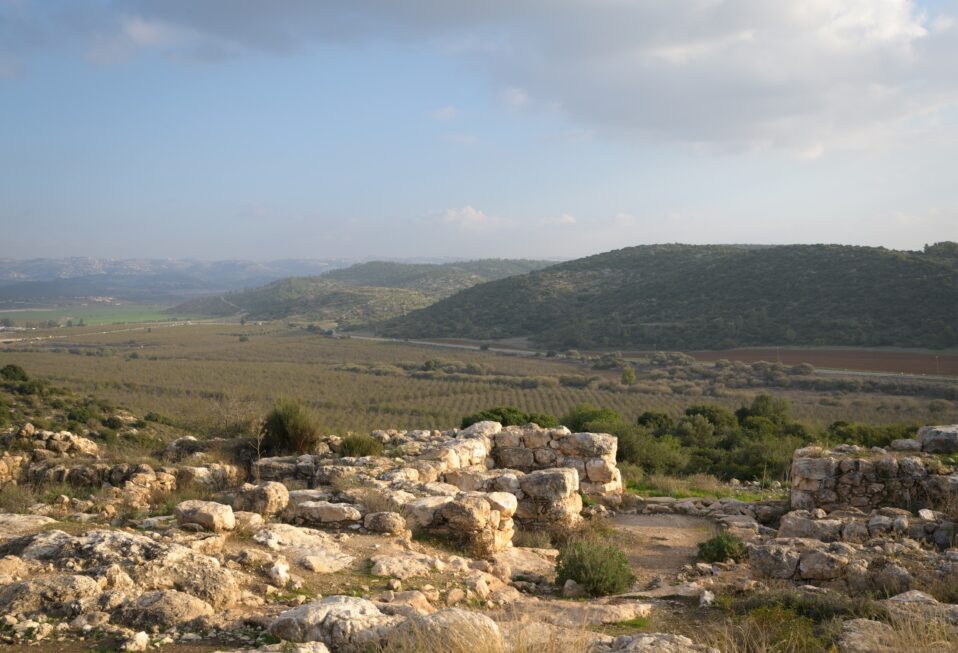
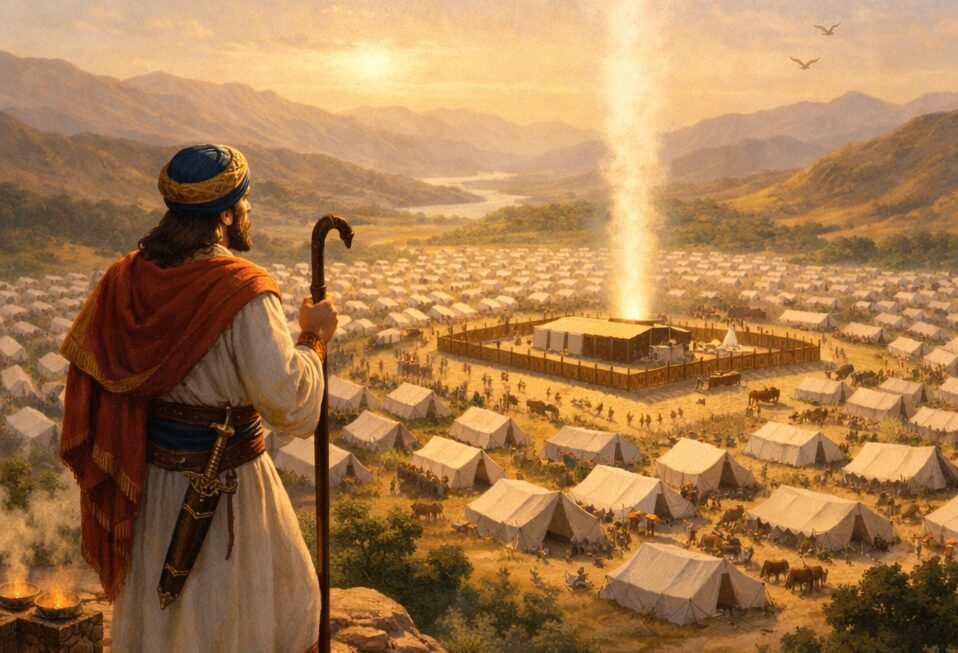
Parashat Beha’alotecha begins with the lighting of the menorah and continues with preparations for Israel’s journey through the wilderness. At the center of the portion stands a powerful image: the cloud of God’s presence resting over the Tabernacle. When the cloud remained, the people stayed where they were. When it moved, they followed. Their journey was not governed by personal preference or human timing but by attentiveness to God’s direction.

This dependence required patience. Sometimes the cloud remained only a short time. At other times it lingered for weeks, months, or even longer. The people could not predict when the next movement would come. They were called to trust that God’s timing was wiser than their own. The challenge was not merely to follow when God moved, but also to remain still when He did not.

The portion goes on to reveal how difficult this trust could be. Complaints arise among the people. Dissatisfaction grows. Instead of focusing on God’s provision, many begin longing for what they left behind in Egypt. Their hearts become restless even while God faithfully guides them. The contrast is striking. God’s presence remains constant, yet human contentment wavers.

The same struggle often appears in our own lives. We may eagerly seek God’s guidance when facing a decision but waiting can feel far more difficult than moving forward. When answers seem delayed or circumstances remain unchanged, frustration can take root. Beha’alotecha reminds us that God’s presence is not measured by activity. He is just as present in seasons of waiting as He is in seasons of change.

For some, this may be a time of transition. Doors are opening, opportunities are emerging, and God appears to be leading in a new direction. For others, the cloud seems to be standing still. Plans remain uncertain and prayers appear unanswered. Both situations require trust. Faith is found not only in stepping forward but also in remaining where God has placed us until He says otherwise.

As this Shabbat arrives, consider where God may be asking you to trust His timing. Resist the temptation to rush ahead or to grow discouraged in waiting. Instead, seek His presence above all else. The same God who guided Israel through the wilderness continues to lead His people today. When He moves, follow. When He asks you to wait, trust that He is still at work.

PRAYER
Lord, teach me to trust Your timing and follow Your leading. Give me patience when You call me to wait and courage when You call me to move. Help me rest in the assurance that Your presence is with me in every season. Amen.

Read more

A New Beginning: Marina’s Story

Marina never imagined she would have to flee her home to protect her children. A Christian, she had moved to Israel from Belarus with her Jewish husband. But after enduring years of abuse in her marriage, the situation became unbearable. That’s when she made the courageous decision to leave with her two children and seek safety.

Their first refuge was a women’s shelter. Although it offered protection, Marina remembers how difficult and depressing that season was. The shelter was a reminder of the trauma they had escaped. “I wouldn’t have made it without God,” she shared, recalling how her faith carried her through moments when she felt ready to give up.

Eventually, Marina and her children were able to rent a small apartment in Bat Yam, a city near Tel Aviv. They were deeply grateful to have their own place, but it was completely empty except for two mattresses. The rooms felt cold and unfinished, and the family had no savings to purchase beds, tables, and other items. “Furniture is a basic necessity,” Marina commented. “Without it, life feels unstable.”

Despite the emptiness around them, Marina and her children continued to pray, trusting that they would not be forgotten.

After hearing about CBN Israel through her church, Marina reached out for help. Because of compassionate friends like you, CBN Israel responded quickly. Caring donors provided essential furniture, transforming the empty apartment into a cozy home. When the new furnishings arrived, her children were filled with joy, and Marina said it felt like a holiday.

Today, what was once a bare space has been filled with warmth and color. Your gifts to CBN Israel can help restore dignity and stability to single mothers, refugees, and vulnerable families across Israel.

Please join us in helping to create safe, hopeful futures for those rebuilding their lives.

Read more

Parashat Naso (נָשֹׂא) “Lift Up”

This week’s Torah reading is Parashat Naso (Numbers 4:21-7:89). Read on Shabbat, May 23, 2026 / 13 Sivan 5786. The following is a special devotional drawn from this week’s reading.

“The LORD bless you and keep you; the LORD make His face shine upon you and be gracious to you; the LORD lift up His face upon you and give you peace” (Numbers 6:24-26).

Parashat Naso is the longest portion in the Torah, filled with instructions, offerings, and acts of dedication. In the midst of these details appears one of the most beloved passages in Scripture: the priestly blessing. God commands Aaron and his sons to speak words of blessing over the people, placing His name upon them. This moment reveals the heart of God toward His people. He desires not only obedience and worship, but also closeness, protection, grace, and peace.

The blessing unfolds in stages. First comes God’s protection and care. Then comes the shining of His face, a picture of favor and graciousness. Finally comes peace, the deep wholeness that flows from living in harmony with God. These are not empty words or distant hopes. They are covenant promises spoken over a people journeying through uncertainty in the wilderness.

Naso also emphasizes the value of each individual contribution. The tribal leaders bring offerings for the dedication of the altar, each one presented separately and recorded in detail. Though the gifts are identical, each is honored individually before God. This reminds us that God sees every act of faithfulness. What may appear repetitive or unnoticed to others is remembered and valued by Him.

The portion invites reflection on how we receive and extend blessing. Many people move through life carrying anxiety, striving, or discouragement, forgetting that God’s desire is to sustain and guide them. Others may underestimate the importance of their daily acts of obedience and generosity. Naso reminds us that both God’s blessing and our faithfulness matter deeply.

There are seasons when peace feels distant and the future uncertain. In such moments, the priestly blessing becomes a steady reminder that God watches over His people with compassion and care. There are also seasons of abundance and joy, when gratitude should overflow into blessing others through kindness, encouragement, and generosity.

As this Shabbat arrives, take time to meditate on the words of the priestly blessing. Speak them slowly and receive them personally. Consider one way you can become a source of peace and encouragement to someone around you this week. Let your life reflect the gracious face of God toward others.

PRAYER
Lord, thank You for Your blessing, protection, and peace. Help me live each day aware of Your presence and grace. May I reflect Your kindness to others and become a source of encouragement and peace wherever I go. Amen.

Read more

Shavuot and Pentecost: Covenant, Spirit, and Faith in a Time of Testing

By Stephen Faircloth

“And you shall observe the Festival of Weeks, of the firstfruits of wheat harvest, and the Feast of Ingathering at the year’s end” (Exodus 34:22).

“On the day of Pentecost all the believers were meeting together in one place…” (Acts 2:1-4).

Each year, fifty days after Passover, a remarkable convergence of meaning is celebrated by both Jewish and Christian communities. Known as Shavuot in Hebrew and Pentecost in Greek, this sacred time marks both the giving of God’s Law at Mount Sinai and, centuries later, the outpouring of the Holy Spirit in Jerusalem.

Shavuot, meaning “weeks,” commemorates the completion of the seven-week count from Passover. It is a celebration of firstfruits, gratitude, and covenant. Jewish tradition holds that it was on this very day that God gave Moses the Torah, including the Ten Commandments, establishing a foundational relationship between God and the people of Israel.

Many see this moment not only as a legal covenant but as something deeply personal. Some Jewish teachers describe the Torah as a kind of wedding covenant, symbolizing a bond between God and His people. The imagery echoes the words of Hosea, where God speaks of faithfulness, love, and a lasting relationship.

To this day, many Jewish communities mark Shavuot by staying up through the night studying Scripture, reflecting a sense of anticipation and devotion. In Israel, worshippers often walk to the Western Wall at dawn to pray, recalling the moment when the covenant was first received. The reading of the Ten Commandments and the Book of Ruth adds further depth, highlighting themes of loyalty, redemption, and belonging.

For Christians, this same festival carries an additional layer of meaning. The New Testament records that during Shavuot, Jews from across the world had gathered in Jerusalem, as commanded in the Torah. It was at this appointed time that the Holy Spirit was poured out on the followers of Jesus. What began at Sinai with the giving of the Law found new expression in the hearts of believers, as God’s Spirit empowered them to carry His message to the nations.

The parallels are striking. At Sinai, God revealed His will through written commandments. In Jerusalem, He wrote His truth on human hearts through the Spirit. Both moments speak of relationship, calling, and purpose.

Today, these themes resonate in a world marked by uncertainty and conflict. As Israel faces ongoing threats from Iran and its regional proxies, including Hezbollah and the Houthis, the message of Shavuot takes on renewed significance. Even in times of temporary ceasefire, the reality remains that forces still seek Israel’s destruction. In such a climate, the idea of covenant, divine faithfulness, and spiritual empowerment carries profound weight.

Shavuot reminds us that identity is not only shaped by external circumstances but by a deeper calling. The same God who established His covenant at Sinai and poured out His Spirit in Jerusalem remains present and faithful.

The festival is also marked by joy and community. Families gather, synagogues fill, and traditions are shared. One of the most beloved customs is the enjoyment of dairy foods, especially cheesecake, a simple yet meaningful reminder of the richness of the season.

Ultimately, Shavuot and Pentecost point to a story that continues to unfold. It is a story of covenant and calling, of revelation and renewal, and of a people who endure through both celebration and challenge.

In a time when the future can feel uncertain, this ancient feast stands as a testimony to faith that has sustained generations and continues to do so today.

Stephen Faircloth is the President of CBN Israel, an initiative dedicated to sharing the true story of the Jewish nation and inspiring a global community of Christians to stand with Israel and support her people in need. Our vision is to reshape the global conversation about Israel by fostering understanding, hope, and healing between Jews and Christians around the world. For more than 50 years, the Christian Broadcasting Network has supported Israel. By joining CBN Israel, you become part of this enduring legacy, transforming lives today and strengthening Christian support for Israel for generations to come.

Read more